 VeriMom
HIGH RISK
Sollte ich dinonyl phenol in der Schwangerschaft meiden? | VeriMom
Reviewed by VeriMom Editorial Team · Last reviewed
ECHA regulatory hazard statements
- •H361
- •H361FD
What to use instead
Pregnancy-safe ingredients that serve a similar function:
Pregnancy-safe products to use instead
Products built around the safer ingredients above, scored "no known risks" or "low risk".
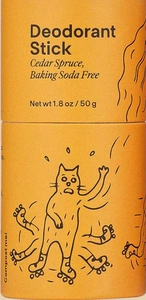
Mew mew tweet
100Mew mew tweet Cedar Spruce Baking Soda Free
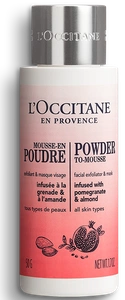
L'Occitane
100L´Occitane Powder To-mousse Facial Exfoliator
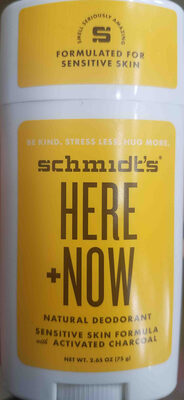
Unknown
100schmidts here now
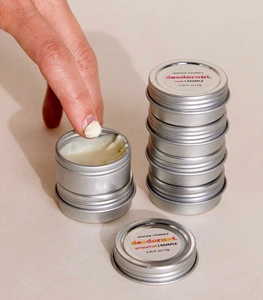
Sustain Yourself
100Sustain Yourself Natural Deodorant
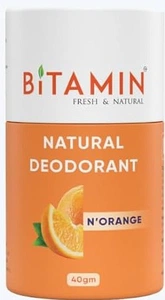
Bitamin
100Bitamin Natural Deodorant N'orange
Avero
100Avero Solid Deodorant
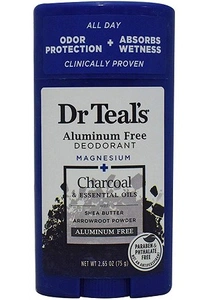
Dr Teals's
99Dr Teals's Aluminum Free Deodorant Charcoal
900care
99Déodorant stick parfum embruns
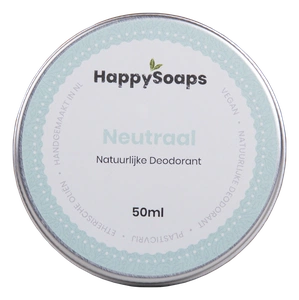
HappySoaps
99Happysoaps Neutraal
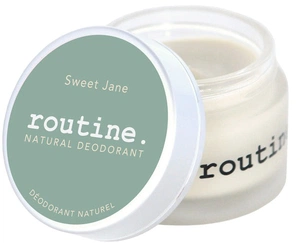
Routine
99Routine Sweet Jane Deodorant Jar
Sources & references
Authoritative references used to score this ingredient.
Schwangerschaftssichere Alternativen zu dinonyl phenol | VeriMom
Inhaltsstoffe — Inhaltsstoffe
Weiterlesen
FAQ
- Ist dinonyl phenol in der Schwangerschaft sicher?
- Dinonyl phenol (CAS 1323-65-5) appears on registries and supplier/MSDSs that carry the hazard statement H361 ("suspected of damaging fertility or the unborn child") in product classifications (company/SDS level), and it is a high-logP alkylphenol (lipophilic) which places it in a chemical class with known endocrine/estrogenic concerns (alkylphenols). Because a harmonised (Annex VI) CLP classification from ECHA or an SCCS/CIR cosmetic safety opinion specific to dinonyl phenol was not found, the conservative score follows the presence of H361 (suspected) rather than H360 (confirmed). Sources: ECHA registration/brief/profile pages and multiple SDS entries showing H361; PubChem brief substance entry.
- Ist dinonyl phenol während des Stillens sicher?
- Given the substance' high lipophilicity (very large estimated logP) and supplier/SDS classifications indicating reproductive hazard (H361), there is a plausible route for systemic uptake and accumulation and therefore transfer into breastmilk is a reasonable concern. No high-quality human milk monitoring or lactation-specific studies for dinonyl phenol were located, so the hazard rating follows the H361 evidence and mechanistic concern is class-based (alkylphenol estrogenicity).
- Ist dinonyl phenol sicher für Babyhaut?
- For infant (0–3 yr) skin the hazard remains the same (H361-level evidence -> suspected reproductive/ developmental hazard). Exposure (e) is increased by +1 relative to adults because infant skin has higher surface-area-to-body-weight and an immature barrier, and dinonyl phenol is lipophilic with supplier/SDS notes that it can be absorbed through skin. No infant-specific dermal absorption or toxicity studies were found to change hazard or mechanism scores.
- Wie bewertet VeriMom dinonyl phenol?
- VeriMom bewertet dinonyl phenol mit 27/100 (hohes Risiko) basierend auf EU CosIng, ECHA-Klassifizierungen und PubMed-Studien.
- Was sind schwangerschaftssichere Alternativen zu dinonyl phenol?
- Siehe unsere kuratierte Liste der schwangerschaftssicheren Alternativen zu dinonyl phenol basierend auf ähnlicher Funktion.
Prüfe jede Zutatenliste in 2 Sekunden
Lade VeriMom kostenlos — scanne jedes Produkt und sieh sofort die Schwangerschafts-Sicherheitsbewertung.
Medizinischer Haftungsausschluss
Diese Informationen dienen ausschließlich Bildungszwecken und stellen keine medizinische Beratung dar. Sicherheitsbewertungen basieren auf öffentlich zugänglichen Daten und spiegeln möglicherweise nicht alle Risiken wider. Konsultieren Sie immer Ihren Arzt, bevor Sie ein Produkt während der Schwangerschaft oder Stillzeit verwenden.