 VeriMom
Sollte ich 3-benzylidene camphor in der Schwangerschaft meiden? | VeriMom
Reviewed by VeriMom Editorial Team · Last reviewed
ECHA regulatory hazard statements
- •H361
What to use instead
Pregnancy-safe ingredients that serve a similar function:
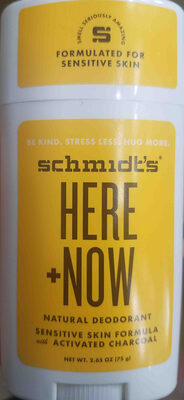
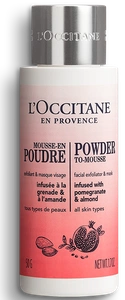
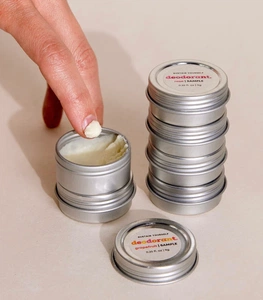
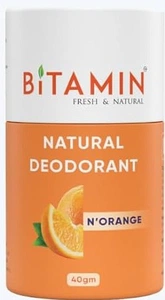
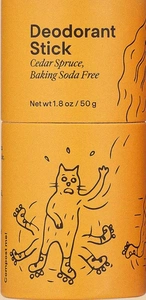
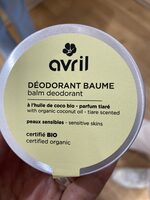
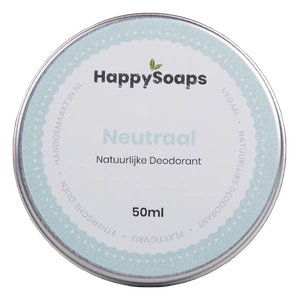
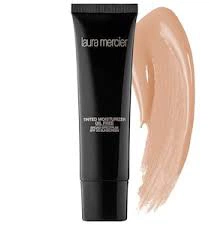
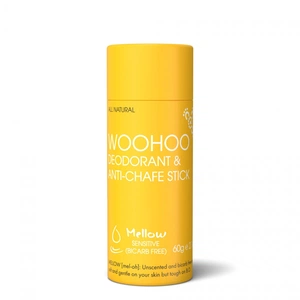
Pregnancy-safe products to use instead
Products built around the safer ingredients above, scored "no known risks" or "low risk".
Sources & references
Authoritative references used to score this ingredient.
Schwangerschaftssichere Alternativen zu 3-benzylidene camphor | VeriMom
Inhaltsstoffe — Inhaltsstoffe
Weiterlesen
FAQ
- Ist 3-benzylidene camphor in der Schwangerschaft sicher?
- Authoritative safety review (SCCS, 2013) found multiple in vitro hormonal activities (estrogenic, anti‑estrogenic and anti‑androgenic) and in vivo changes in hormone‑responsive gene expression; SCCS concluded use as a UV filter up to 2% was not safe. ECHA has listed 3‑benzylidene camphor on the REACH Candidate List as an SVHC for endocrine‑disrupting properties and the ingredient is subject to cosmetic prohibitions in EU Annex II. Taken together this supports 'suspected' reproductive/fetal hazard (H=2), demonstrated hormonal mechanisms (M=2) and measurable systemic exposure from topical use (E=2).
- Ist 3-benzylidene camphor während des Stillens sicher?
- Same hazard/mechanistic evidence applies (endocrine activity, SCCS concerns; ECHA SVHC listing). Topical cosmetic application can produce measurable systemic levels for lipophilic UV‑filter type compounds, so moderate exposure to the nursing parent (and potential low‑to‑moderate transfer to milk) is plausible though direct milk‑transfer data are lacking; therefore exposure scored as moderate (E=2).
- Ist 3-benzylidene camphor sicher für Babyhaut?
- Hazard and mechanism as above (SCCS: endocrine activity; ECHA: SVHC for endocrine disruption). Because infants 0–3 years have an immature skin barrier and higher surface‑area‑to‑body‑weight, exposure score is increased by +1 relative to adult topical exposure (adult E=2 → infant E=3). Infants may therefore be at higher internal exposure and greater sensitivity to hormonal perturbation.
- Wie bewertet VeriMom 3-benzylidene camphor?
- VeriMom bewertet 3-benzylidene camphor mit 13/100 (hohes Risiko) basierend auf EU CosIng, ECHA-Klassifizierungen und PubMed-Studien.
- Was sind schwangerschaftssichere Alternativen zu 3-benzylidene camphor?
- Siehe unsere kuratierte Liste der schwangerschaftssicheren Alternativen zu 3-benzylidene camphor basierend auf ähnlicher Funktion.
Prüfe deine eigene Hautpflege
Füge die Inhaltsstoffliste eines beliebigen Produkts in unseren kostenlosen Checker ein und sieh jeden Inhaltsstoff anhand von EU-Regulierungsdaten und begutachteter Forschung bewertet.
Den Inhaltsstoff-Checker für die Schwangerschaft öffnenPrüfe jede Zutatenliste in 2 Sekunden
Lade VeriMom kostenlos — scanne jedes Produkt und sieh sofort die Schwangerschafts-Sicherheitsbewertung.
Medizinischer Haftungsausschluss
Diese Informationen dienen ausschließlich Bildungszwecken und stellen keine medizinische Beratung dar. Sicherheitsbewertungen basieren auf öffentlich zugänglichen Daten und spiegeln möglicherweise nicht alle Risiken wider. Konsultieren Sie immer Ihren Arzt, bevor Sie ein Produkt während der Schwangerschaft oder Stillzeit verwenden.