 VeriMom
Is milk lipids safe for baby skin?
Reviewed by VeriMom Editorial Team · Last reviewed
Baby skin
milk lipids
NO KNOWN RISKS93
/100
Also relevant: pregnancy safety
Want to know if milk lipids is also safe during pregnancy?
Is milk lipids safe during pregnancy? →Gentle products containing milk lipids
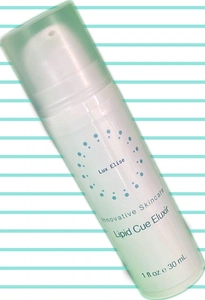
Lux Elise
Lux Elise Lipid Cue Eluxir
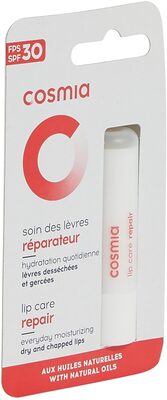
Cosmia
Soin des lèvres
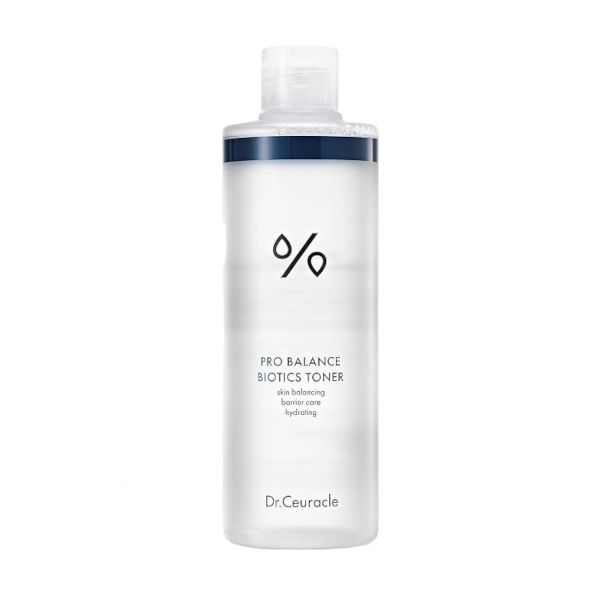
Dr.Ceuracle Pro Balance Biotics Toner - 300ml
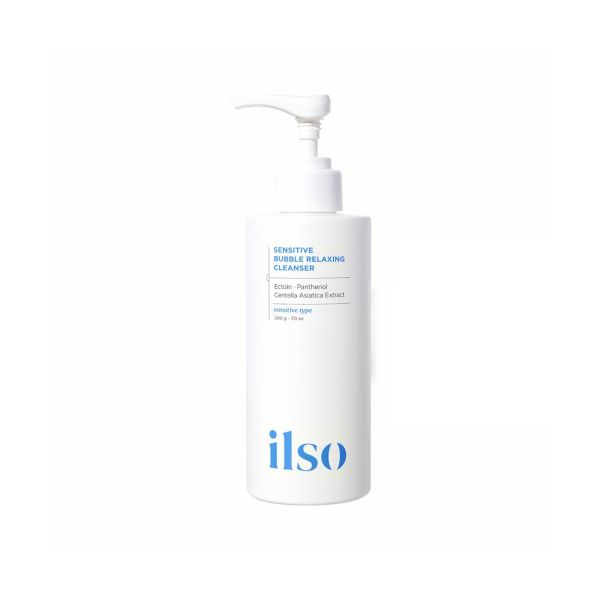
ilso
ILSO Sensitive Bubble Relaxing Cleanser - 200g
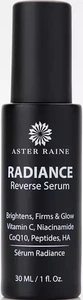
Aster Raine
Aster Raine Reverse Serum
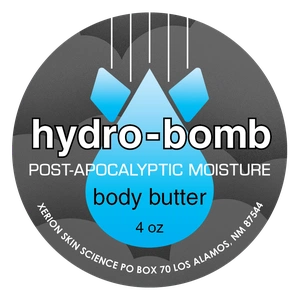
Xerion Skin Science
Xerion Skin Science Hydro Bomb Body Butter
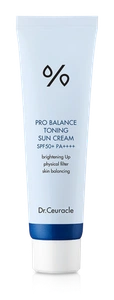
Dr. Ceuracle
Dr. Ceuracle Pro Balance Toning Sun Cream Spf50+ Pa++++
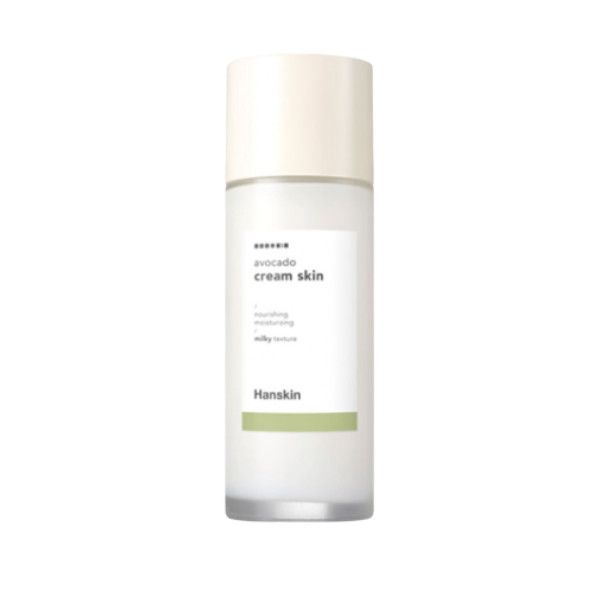
Hanskin
Hanskin Avocado Cream Skin - 150ml
Sources & references
Authoritative references used to score this ingredient.
Ingredients — Pregnancy-Safe Ingredients Database — 28,000+ Ingredients Rated
See also
Frequently asked questions
- Is milk lipids safe for baby skin?
- Hazard and mechanism: no infant‑specific reproductive/specific toxicity evidence found. Exposure: increase of +1 compared with adults because infant skin barrier is immature and milk lipid components (long‑chain triglycerides, phospholipids, ceramides) are not completely non‑absorbable; however overall absorption from topical occlusive use remains low. Peer‑reviewed lipid composition and MFGM literature describe components but do not report dermal developmental toxicity.
- Is milk lipids safe for newborns?
- Hazard and mechanism: no infant‑specific reproductive/specific toxicity evidence found. Exposure: increase of +1 compared with adults because infant skin barrier is immature and milk lipid components (long‑chain triglycerides, phospholipids, ceramides) are not completely non‑absorbable; however overall absorption from topical occlusive use remains low. Peer‑reviewed lipid composition and MFGM literature describe components but do not report dermal developmental toxicity.
- Can I use milk lipids on a baby under 6 months?
- We don't have baby-skin-specific data for milk lipids. Stick to ingredients we've marked no known risks for babies until more evidence is available.
- What are safer alternatives to milk lipids for babies?
- See our curated list of pregnancy-safe alternatives to milk lipids based on similar function and a no-known-risks safety band.
- How does VeriMom rate milk lipids for baby skin?
- VeriMom scores milk lipids at 93/100 (no known risks) based on EU CosIng status, ECHA hazard classifications, and peer-reviewed PubMed studies. Our scoring pipeline is fully transparent.
Check every label in 2 seconds
Get VeriMom free — scan any product and see the pregnancy safety score instantly.
Medical Disclaimer
This information is for educational purposes only and does not constitute medical advice. Safety scores are based on publicly available data and may not reflect all risks. Always consult your healthcare provider before using any product during pregnancy or breastfeeding.