 VeriMom
Is hydrolyzed royal jelly protein safe for baby skin?
Reviewed by VeriMom Editorial Team · Last reviewed
Baby skin
hydrolyzed royal jelly protein
NO KNOWN RISKS93
/100
Also relevant: pregnancy safety
Want to know if hydrolyzed royal jelly protein is also safe during pregnancy?
Is hydrolyzed royal jelly protein safe during pregnancy? →Gentle products containing hydrolyzed royal jelly protein
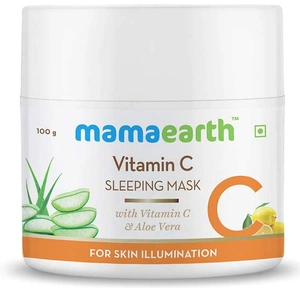
Mama Earth
Mama Earth Vitamin C Sleeping Mask
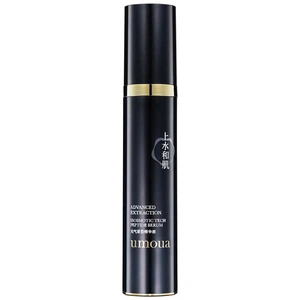
Umoua
Umoua Advanced Extraction Liposome Tech Peptide Serum
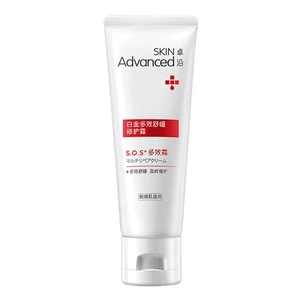
Skin Advanced
Skin Advanced Platinum Multi Repair Cream
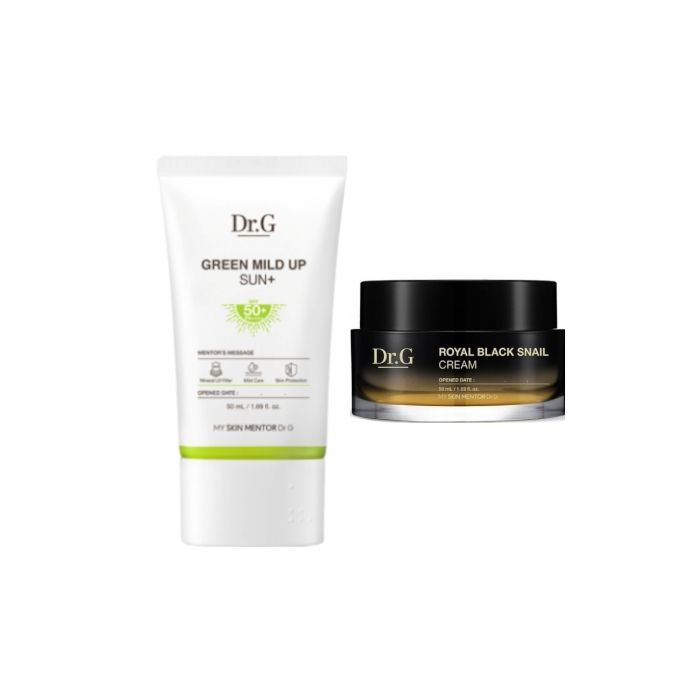
Dr.G Royal Black Snail Cream 50ml + Green Mild Up Sun+ (SPF50+ PA++++) - 50ml (1ea) Set
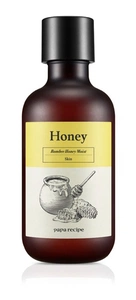
PAPA RECIPE
PAPA RECIPE Honey Moist Skin
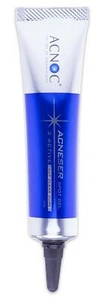
acnoc
acnoc Acneser Spot Gel
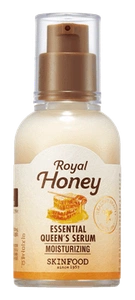
Skinfood
Skinfood Royal Honey Essential Queen'S Serum
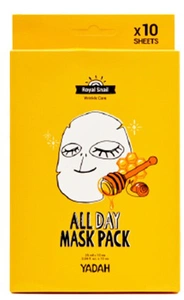
Yadah
Yadah Royal Snail All Day Mask Pack
Sources & references
Authoritative references used to score this ingredient.
Ingredients — Pregnancy-Safe Ingredients Database — 28,000+ Ingredients Rated
See also
Frequently asked questions
- Is hydrolyzed royal jelly protein safe for baby skin?
- No specific infant reproductive/toxicity data. Hydrolysed proteins are large molecules with minimal dermal systemic absorption in adults (adult exposure rated 0), but per guidance baby exposure is increased by +1 due to immature skin barrier and higher surface-area-to-weight ratio—thus e=1. No evidence supports changing hazard/mechanism scores for infants; primary documented risk is allergenicity.
- Is hydrolyzed royal jelly protein safe for newborns?
- No specific infant reproductive/toxicity data. Hydrolysed proteins are large molecules with minimal dermal systemic absorption in adults (adult exposure rated 0), but per guidance baby exposure is increased by +1 due to immature skin barrier and higher surface-area-to-weight ratio—thus e=1. No evidence supports changing hazard/mechanism scores for infants; primary documented risk is allergenicity.
- Can I use hydrolyzed royal jelly protein on a baby under 6 months?
- We don't have baby-skin-specific data for hydrolyzed royal jelly protein. Stick to ingredients we've marked no known risks for babies until more evidence is available.
- What are safer alternatives to hydrolyzed royal jelly protein for babies?
- See our curated list of pregnancy-safe alternatives to hydrolyzed royal jelly protein based on similar function and a no-known-risks safety band.
- How does VeriMom rate hydrolyzed royal jelly protein for baby skin?
- VeriMom scores hydrolyzed royal jelly protein at 93/100 (no known risks) based on EU CosIng status, ECHA hazard classifications, and peer-reviewed PubMed studies. Our scoring pipeline is fully transparent.
Check every label in 2 seconds
Get VeriMom free — scan any product and see the pregnancy safety score instantly.
Medical Disclaimer
This information is for educational purposes only and does not constitute medical advice. Safety scores are based on publicly available data and may not reflect all risks. Always consult your healthcare provider before using any product during pregnancy or breastfeeding.