 VeriMom
Should I Avoid nitrous oxide During Pregnancy? | VeriMom
Reviewed by VeriMom Editorial Team · Last reviewed
ECHA regulatory hazard statements
- •H360DF
What to use instead
Pregnancy-safe ingredients that serve a similar function:
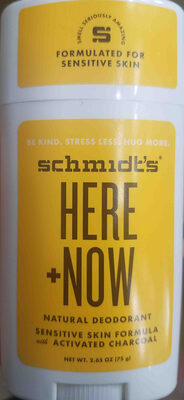
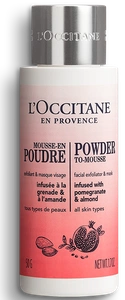
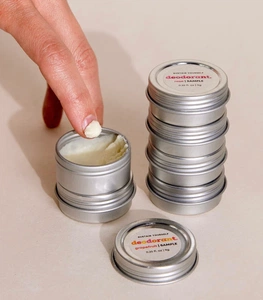
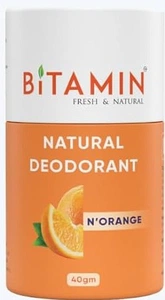
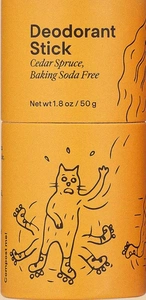
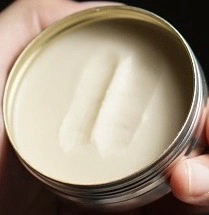
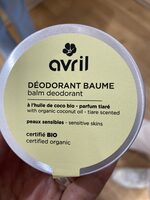
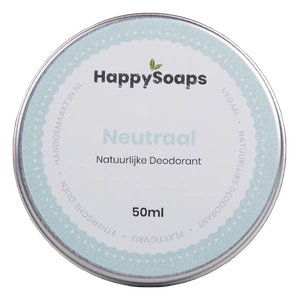
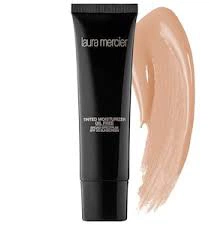
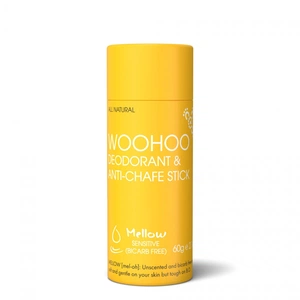
Pregnancy-safe products to use instead
Products built around the safer ingredients above, scored "no known risks" or "low risk".
Sources & references
Authoritative references used to score this ingredient.
Pregnancy-Safe Alternatives to nitrous oxide | VeriMom
Ingredients — Pregnancy-Safe Ingredients Database — 28,000+ Ingredients Rated
See also
FAQ
- Is nitrous oxide safe during pregnancy?
- Dinitrogen oxide (nitrous oxide, CAS 10024-97-2) now has a harmonised CLP classification in the EU as Repr. 1B (H360Df) (Official Journal / CLP Annex VI update), which by calibration requires h=3. The mechanistic literature shows demonstrated inactivation of methionine‑synthase / perturbation of folate‑B12 pathways in animals and human cells (PubMed), supporting m=2. For normal topical cosmetic use the expected topical dermal/systemic absorption from a finished cosmetic product is negligible, so exposure (e) for pregnancy from topical use is scored 0; however inhalation (medical or recreational) is a separate, high‑exposure route and is outside routine cosmetic topical exposure assumptions.
- Is nitrous oxide safe while breastfeeding?
- Harmonised Repr.1B (H360Df) applies to the substance (h=3). Mechanism is the same as for pregnancy (methionine synthase / folate interference documented) so m=2. For typical cosmetic topical application breastfeeding exposure is expected to be negligible (e=0). Inhalation/medical exposure would increase exposure but is not typical for cosmetics.
- Is nitrous oxide safe for baby skin?
- Hazard remains h=3 because of the harmonised Repr.1B classification. Mechanistic evidence (B12/methionine synthase inhibition, folate perturbation) supports m=2. For infant skin (0–3 yr) assume increased potential exposure relative to adults; since the substance is not completely non‑absorbable and infants have a less mature barrier the exposure score is increased by +1 (adult e=0 → infant e=1). Topical cosmetic use still would normally produce negligible systemic uptake, but infant susceptibility and increased surface‑area‑to‑weight justify the +1 increase.
- How does VeriMom score nitrous oxide?
- VeriMom scores nitrous oxide at 27/100 (high risk) based on EU CosIng status, ECHA hazard classifications, and peer-reviewed PubMed studies. Our scoring pipeline is fully transparent.
- What are pregnancy-safe alternatives to nitrous oxide?
- See our curated list of pregnancy-safe alternatives to nitrous oxide based on similar function and a no-known-risks safety band.
Check your own skincare
Paste any product's ingredient list into our free checker and see every ingredient scored against EU regulatory data and peer-reviewed research.
Open the pregnancy-safe ingredient checkerCheck every label in 2 seconds
Get VeriMom free — scan any product and see the pregnancy safety score instantly.
Medical Disclaimer
This information is for educational purposes only and does not constitute medical advice. Safety scores are based on publicly available data and may not reflect all risks. Always consult your healthcare provider before using any product during pregnancy or breastfeeding.