 VeriMom
Should I Avoid methyl bimatoprost acidate During Pregnancy? | VeriMom
Reviewed by VeriMom Editorial Team · Last reviewed
ECHA regulatory hazard statements
- •H361
- •H362
What to use instead
Pregnancy-safe ingredients that serve a similar function:
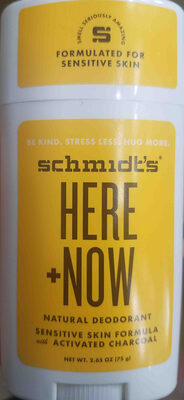
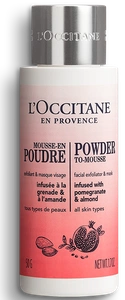
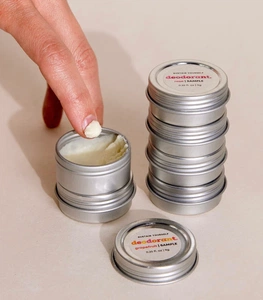
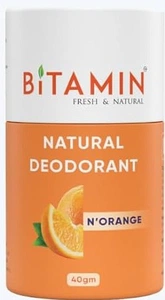
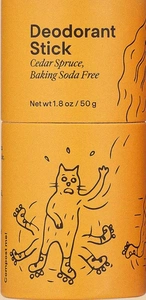
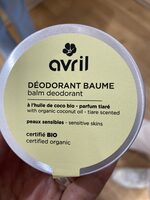
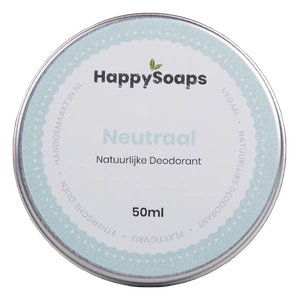
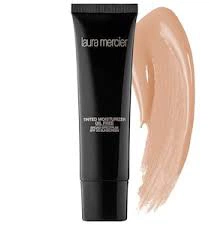
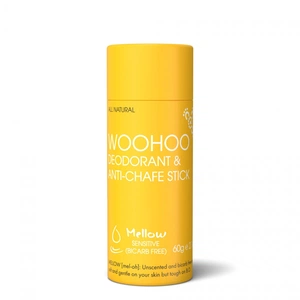
Pregnancy-safe products to use instead
Products built around the safer ingredients above, scored "no known risks" or "low risk".
Sources & references
Authoritative references used to score this ingredient.
Pregnancy-Safe Alternatives to methyl bimatoprost acidate | VeriMom
Ingredients — Pregnancy-Safe Ingredients Database — 28,000+ Ingredients Rated
See also
FAQ
- Is methyl bimatoprost acidate safe during pregnancy?
- H361 (‘suspected of damaging fertility or the unborn child’) is reported for this substance in supplier/EU SDS/C&L‑type entries and the SCCS included methyl bimatoprost acidate among prostaglandin analogues of concern for cosmetic use; animal reproductive studies with bimatoprost show abortion, increased resorptions and post‑natal pup effects at high doses, and the Latisse/Lumigan product label advises caution in pregnancy. These facts support h=2 (suspected). Mechanistically, prostaglandin analogues have demonstrated reproductive/developmental effects in animal studies (m=2). Systemic absorption from topical/ocular application is low but measurable, so exposure from cosmetic topical use is low but real (e=1). Sources: SCCS opinion, FDA/LATISSE label, supplier SDS.
- Is methyl bimatoprost acidate safe while breastfeeding?
- Supplier safety data and regulatory/product labels record H362 (may cause harm to breast‑fed children) and state bimatoprost is excreted in milk in animal studies. Given the parent drug is excreted in milk (per product labels) and the substance is classed with H362 in SDSs, h=2 is appropriate. Mechanism evidence (excretion into milk, documented neonatal effects in animal studies) supports m=2. Exposure by topical cosmetic use is low but measurable (e=1). Sources: FDA/LATISSE label, supplier SDSs.
- Is methyl bimatoprost acidate safe for baby skin?
- Do not increase hazard (h) or mechanism (m) absent infant‑specific data; retain h=2 and m=2 because the substance is a prostaglandin analogue with suspected reproductive/lactation hazards. Increase exposure (e) by +1 for baby skin per instructions because infant skin is more permeable and systemic exposure from topical application is measurable — therefore e=2 for 0–3‑year‑old skin. Sources: SCCS opinion, FDA product label, supplier SDSs.
- How does VeriMom score methyl bimatoprost acidate?
- VeriMom scores methyl bimatoprost acidate at 20/100 (high risk) based on EU CosIng status, ECHA hazard classifications, and peer-reviewed PubMed studies. Our scoring pipeline is fully transparent.
- What are pregnancy-safe alternatives to methyl bimatoprost acidate?
- See our curated list of pregnancy-safe alternatives to methyl bimatoprost acidate based on similar function and a no-known-risks safety band.
Check your own skincare
Paste any product's ingredient list into our free checker and see every ingredient scored against EU regulatory data and peer-reviewed research.
Open the pregnancy-safe ingredient checkerCheck every label in 2 seconds
Get VeriMom free — scan any product and see the pregnancy safety score instantly.
Medical Disclaimer
This information is for educational purposes only and does not constitute medical advice. Safety scores are based on publicly available data and may not reflect all risks. Always consult your healthcare provider before using any product during pregnancy or breastfeeding.