 VeriMom
¿Debo evitar m-phenylenediamine durante el embarazo? | VeriMom
Reviewed by VeriMom Editorial Team · Last reviewed
ECHA regulatory hazard statements
- •H341
- •H331
- •H311
- •H301
- •H319
- •H317
- •H400
- •H410
What to use instead
Pregnancy-safe ingredients that serve a similar function:
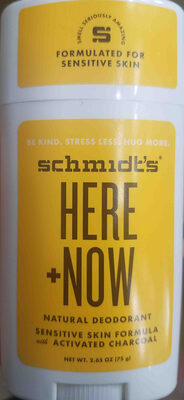
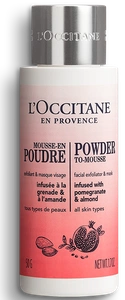
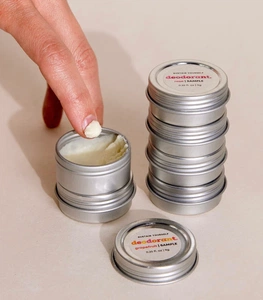
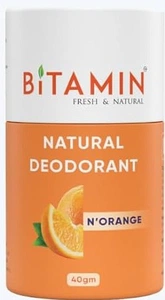
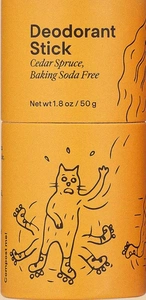
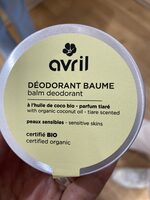
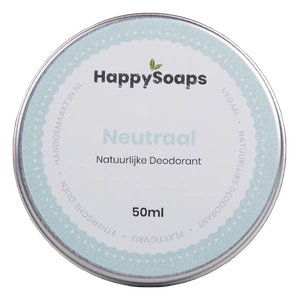
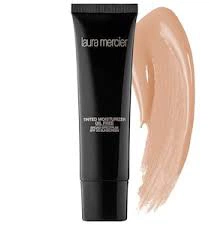
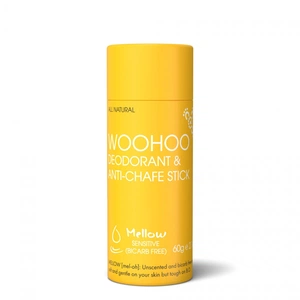
Pregnancy-safe products to use instead
Products built around the safer ingredients above, scored "no known risks" or "low risk".
Sources & references
Authoritative references used to score this ingredient.
Alternativas seguras a m-phenylenediamine en el embarazo | VeriMom
Ingredientes — Ingredientes
Ver también
FAQ
- ¿Es m-phenylenediamine seguro durante el embarazo?
- CIR’s safety review (1997 summary) reports one animal study with fetal deaths (other studies negative) and identifies measurable percutaneous absorption and metabolites — this supports a “suspected” reproductive hazard (h=2) rather than confirmed teratogen. No well‑characterised reproductive mechanism was found, only limited mechanistic data (hence m=1). Dermal absorption from hair‑dye use is reported as low but measurable, so exposure from typical topical cosmetic use is scored e=1. (Sources: CIR summary/CosmeticsInfo; PubMed animal study; ECHA registration dossier.)
- ¿Es m-phenylenediamine seguro durante la lactancia?
- There are no robust human breastfeeding studies identified. The same animal evidence (fetal death in at least one study) and CIR finding of measurable dermal absorption support a conservative ‘suspected’ hazard for reproductive/developmental endpoints (h=2) and a theoretical mechanism only (m=1). Dermal exposure during use (hair dyes) is low but measurable (e=1); transfer into breastmilk was not specifically documented in available sources. (Sources: CIR summary/CosmeticsInfo; PubMed study; ECHA dossier.)
- ¿Es m-phenylenediamine seguro para la piel del bebé?
- Hazard (h) and mechanism (m) are unchanged because no infant‑specific reproductive mechanism data were found. Adult dermal absorption is measurable; per instructions, increase exposure score by +1 for 0–3‑year‑old skin when absorption is measurable — adult e=1 → baby e=2. No infant‑specific dermal absorption or toxicokinetic studies were located. (Sources: CIR summary/CosmeticsInfo; ECHA registration; guidance on absorption in CIR review.)
- ¿Cómo puntúa VeriMom a m-phenylenediamine?
- VeriMom puntúa m-phenylenediamine en 27/100 (riesgo alto) según el estado EU CosIng, clasificaciones ECHA y estudios PubMed.
- ¿Cuáles son las alternativas seguras a m-phenylenediamine en el embarazo?
- Consulta nuestra lista de alternativas seguras a m-phenylenediamine según función similar y clasificación sin riesgos conocidos.
Revisa tus propios cosméticos
Pega la lista de ingredientes de cualquier producto en nuestro verificador gratuito y mira cada ingrediente evaluado con datos regulatorios de la UE e investigación revisada por pares.
Abrir el verificador de ingredientes seguros en el embarazoComprueba cualquier etiqueta en 2 segundos
Descarga VeriMom gratis — escanea cualquier producto y ve la puntuación de seguridad en el embarazo al instante.
Aviso Médico
Esta información es solo para fines educativos y no constituye asesoramiento médico. Las puntuaciones de seguridad se basan en datos disponibles públicamente y pueden no reflejar todos los riesgos. Siempre consulte a su profesional de salud antes de usar cualquier producto durante el embarazo o la lactancia.