 VeriMom
Should I Avoid cannabidiol - synthetically produced During Pregnancy? | VeriMom
Reviewed by VeriMom Editorial Team · Last reviewed
ECHA regulatory hazard statements
- •H361
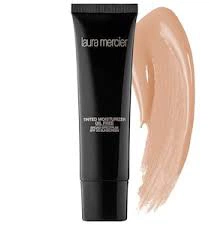
Products containing cannabidiol - synthetically produced — check your shelf
These products list cannabidiol - synthetically produced on their INCI. If one is in your routine, consider swapping it during pregnancy.
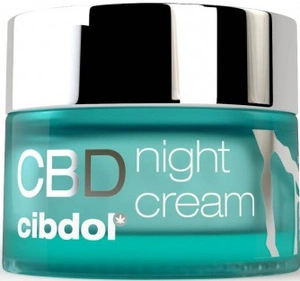
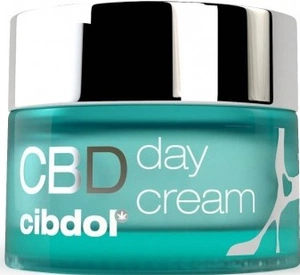
What to use instead
Pregnancy-safe ingredients that serve a similar function:
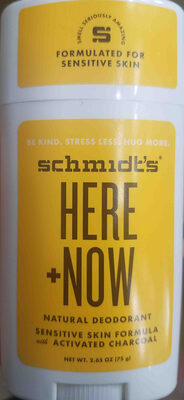
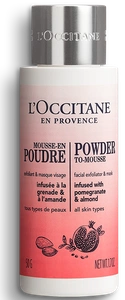
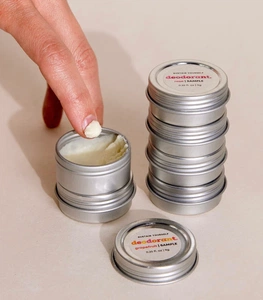
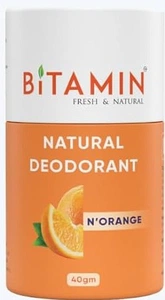
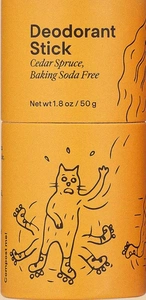
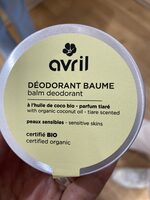
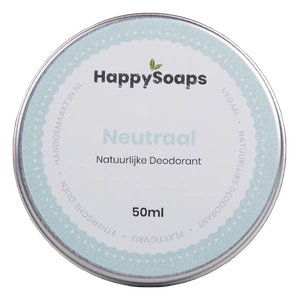
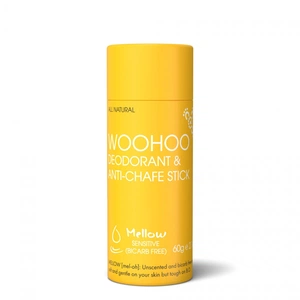
Pregnancy-safe products to use instead
Products built around the safer ingredients above, scored "no known risks" or "low risk".
Sources & references
Authoritative references used to score this ingredient.
Pregnancy-Safe Alternatives to cannabidiol - synthetically produced | VeriMom
Ingredients — Pregnancy-Safe Ingredients Database — 28,000+ Ingredients Rated
See also
FAQ
- Is cannabidiol - synthetically produced safe during pregnancy?
- Evidence from animal and human-relevant studies shows cannabidiol (CAS 13956-29-1) transfers to the fetus and accumulates in fetal tissues in rodent models, and authorities have raised reproductive concerns (ANSES proposal and multiple C&L notifications listing H361), so reproductive hazard is 'suspected' rather than confirmed. SCCS evaluated CBD for cosmetic use and provided a dermal safe limit (0.19%), indicating risk is dose/exposure dependent; dermal absorption is measurable at cosmetic use levels. Sources: SCCS opinion, rodent PK study, ANSES position, ECHA C&L notifications.
- Is cannabidiol - synthetically produced safe while breastfeeding?
- Regulatory and public-health authorities advise against CBD use while breastfeeding because cannabinoids can be transferred to infants (authoritative guidance from FDA and reviews), and animal data show developmental effects; mechanism evidence includes demonstrated maternal–infant transfer and pharmacologic activity in offspring. Measured systemic exposure after dermal use is generally low but nonzero, so breastmilk exposure from topical products is plausible at higher maternal systemic levels.
- Is cannabidiol - synthetically produced safe for baby skin?
- Do not increase hazard/mechanism without infant-specific data, but increase exposure score for infant skin because infant epidermal barrier immaturity and higher surface-area-to-weight make absorption relatively greater. Given demonstrated maternal–fetal transfer and animal developmental effects, CBD remains a suspected reproductive/developmental hazard for infants if systemic exposure occurs.
- How does VeriMom score cannabidiol - synthetically produced?
- VeriMom scores cannabidiol - synthetically produced at 20/100 (high risk) based on EU CosIng status, ECHA hazard classifications, and peer-reviewed PubMed studies. Our scoring pipeline is fully transparent.
- What are pregnancy-safe alternatives to cannabidiol - synthetically produced?
- See our curated list of pregnancy-safe alternatives to cannabidiol - synthetically produced based on similar function and a no-known-risks safety band.
Check your own skincare
Paste any product's ingredient list into our free checker and see every ingredient scored against EU regulatory data and peer-reviewed research.
Open the pregnancy-safe ingredient checkerCheck every label in 2 seconds
Get VeriMom free — scan any product and see the pregnancy safety score instantly.
Medical Disclaimer
This information is for educational purposes only and does not constitute medical advice. Safety scores are based on publicly available data and may not reflect all risks. Always consult your healthcare provider before using any product during pregnancy or breastfeeding.