 VeriMom
thymus vulgaris leaf extract은 임신 중 안전한가요?
Reviewed by VeriMom Editorial Team · Last reviewed
성분
thymus vulgaris leaf extract
알려진 위험 없음100
/100
0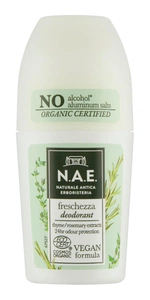
Pregnancy-safe products containing thymus vulgaris leaf extract
N.A.E
N.A.E. Freschezza Deodorant Roller
98/100
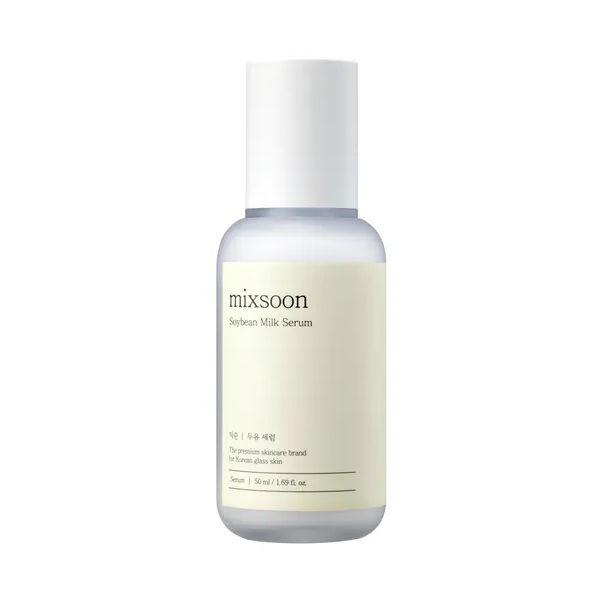
Mixsoon
Mixsoon Soybean Milk Serum - 50ml
98/100
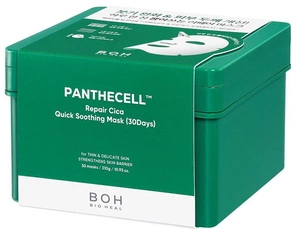
BIO HEAL BOH
BIO HEAL BOH Panthecell Repair Cica Quick Soothing Mask 30days 30 Sheets
98/100
Mixsoon
Mixsoon Soybean Milk Serum - 30ml
98/100
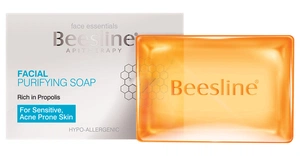
Beesline Apitherapy
Beesline Apitherapy Facial Purifying Soap
98/100
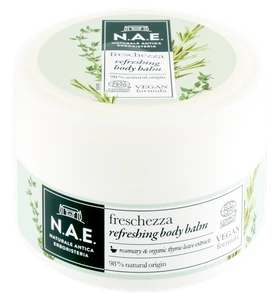
N.A.E
N.A.E. Freschezza Refreshing Body Balm
98/100
Domus Olea Toscana
Domus Olea Toscana Skin Perfector Crema Viso
98/100
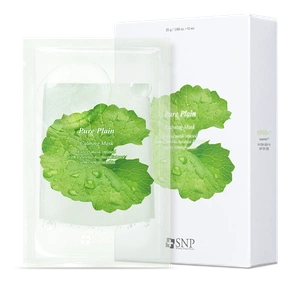
SNP
SNP Pure Plain Calming Mask
97/100
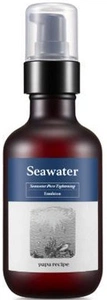
PAPA RECIPE
PAPA RECIPE Seawater Pore Tightening Emulsion
97/100
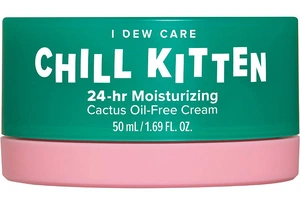
I Dew Care
I Dew Care Chill Kitten
97/100
Related ingredients
더 보기
Sources & references
Authoritative references used to score this ingredient.
Frequently asked questions
- thymus vulgaris leaf extract은 임신 중 안전한가요?
- No harmonised reproductive classification in ECHA Annex VI for Thymus vulgaris leaf extract or for the extract as used in cosmetics; no SCCS or CIR reproduction warnings specific to this extract identified. Peer‑reviewed data do not demonstrate human teratogenicity or clear animal reproductive toxicity attributable to the leaf extract as used topically. (Sources: ECHA Annex VI — no harmonised CLP for this substance; CosIng/PubChem entries list the extract without repro classification; PubMed literature does not provide confirmed reproductive hazard for topical thyme leaf extract.)
- thymus vulgaris leaf extract은 모유 수유 중 안전한가요?
- No evidence of lactation-specific hazard or transfer warnings for Thymus vulgaris leaf extract in regulatory assessments. Constituents (thymol/carvacrol) have limited dermal absorption at cosmetic use concentrations and no regulatory breastfeeding contraindication was identified. (Sources: ECHA/CosIng/PubChem; no CIR or SCCS breastfeeding restrictions found.)
- thymus vulgaris leaf extract은 아기 피부에 안전한가요?
- Hazard and mechanism scores remain 0 because no reproductive or developmental hazard is documented for the extract itself. Exposure score increased to 1 for infants (0–3 yr) because infant skin has higher surface‑area‑to‑body‑weight and a less mature barrier; botanical extracts containing low‑molecular‑weight phenolics (e.g., thymol) can be dermally absorbed to a measurable though generally low degree. No infant‑specific toxicity data were found. (Sources: general dermal absorption principles; CosIng/PubChem listings; lack of harmonised CLP or CIR infant warnings.)
- VeriMom은 thymus vulgaris leaf extract을 어떻게 평가하나요?
- VeriMom은 EU CosIng, ECHA 분류, PubMed 연구를 기반으로 thymus vulgaris leaf extract을 100/100 (알려진 위험 없음)로 평가합니다.
- 임신 중 thymus vulgaris leaf extract 대체 안전 성분은?
- 유사한 기능을 가진 알려진 위험이 없는 대체 성분 목록을 확인하세요.
내 화장품을 직접 확인하세요
제품의 전성분 목록을 무료 검사기에 붙여넣으면 EU 규제 데이터와 동료 심사 연구를 바탕으로 각 성분의 점수를 확인할 수 있습니다.
임신 중 안전 성분 검사기 열기모든 성분표를 2초 만에 확인
VeriMom 무료 다운로드 — 어떤 제품이든 스캔해 임신 중 안전 점수를 즉시 확인하세요.
의료 면책 조항
이 정보는 교육 목적으로만 제공되며 의학적 조언을 구성하지 않습니다. 안전 점수는 공개적으로 이용 가능한 데이터를 기반으로 하며 모든 위험을 반영하지 않을 수 있습니다. 임신 중 또는 수유 중 제품을 사용하기 전에 항상 의료 전문가와 상담하십시오.