 VeriMom
¿Es rubus idaeus seed oil seguro durante el embarazo?
Reviewed by VeriMom Editorial Team · Last reviewed
Ingredientes
rubus idaeus seed oil
SIN RIESGOS CONOCIDOS93
/100
0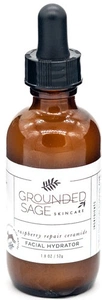
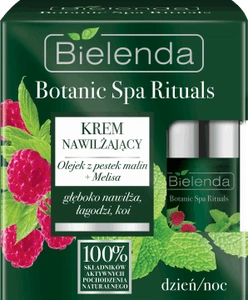
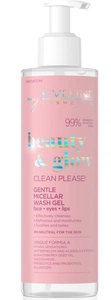
Pregnancy-safe products containing rubus idaeus seed oil
Grounded Sage
Grounded Sage Raspberry Repair Ceramide Hydrator
99/100
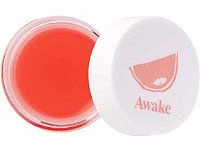
Awake Beauty
Awake Beauty Moisture Balm Daytime Lip Mask
99/100
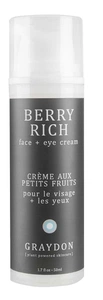
Graydon
Graydon Berry Rich Cream
99/100
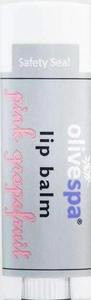
Olive Spa
Olive Spa Lip Balm
99/100
Coola
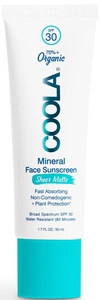
Coola Mineral Face Sunscreen Lotion Sheer Matte SPF 30
98/100
Arbonne
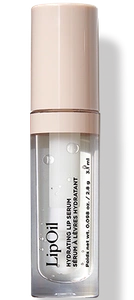
Arbonne Lipoil Hydrating Lip Serum - Lychee
98/100
Republika Mydła
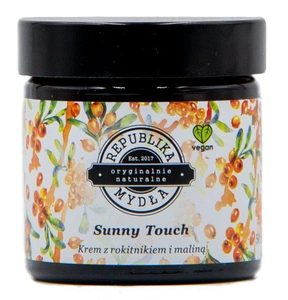
Republika Mydła Sunny Touch
98/100
Tobo+Mala
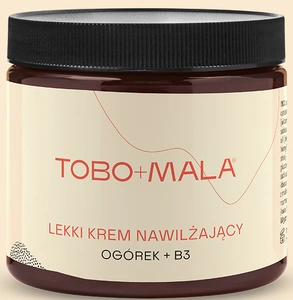
Tobo+Mala Lekki krem nawilżający
98/100
Bielenda
Bielenda Krem Nawilżający Olejek Z Pestek Malin + Melisa
98/100
Eveline
Eveline Beauty & Glow Clean Please! Gentle Micellar Wash Gel
98/100
Related ingredients
Ver también
Sources & references
Authoritative references used to score this ingredient.
Frequently asked questions
- ¿Es rubus idaeus seed oil seguro durante el embarazo?
- Rubus idaeus (raspberry) seed oil is a vegetable seed oil composed mainly of triglycerides (fatty acids) with no harmonised CLP reproductive classification listed in ECHA Annex VI and no CIR or SCCS indication of reproductive hazard. No peer‑reviewed reproductive toxicity or human teratogenicity data were identified in the regulatory summaries consulted. Topical application of fixed oils gives low but measurable dermal absorption, so exposure is rated low (e=1). Sources consulted: ECHA Annex VI (no harmonised CLP), PubChem, CosIng, review-level sources (no CIR or SCCS reproductive concerns).
- ¿Es rubus idaeus seed oil seguro durante la lactancia?
- Same rationale as pregnancy: no evidence of reproductive or lactation-specific hazard in regulatory/peer-reviewed summaries. Topical vegetable oils have low but measurable systemic uptake; lactational transfer is not documented but low systemic exposure implies low likelihood of transfer, so exposure rated low (e=1). Sources: PubChem, CosIng, ECHA Annex VI (no harmonised classification), EWG (no overriding reproductive flags).
- ¿Es rubus idaeus seed oil seguro para la piel del bebé?
- No infant-specific toxicology data or signals for developmental toxicity were identified. By default there is no evidence of reproductive/teratogenic hazard. Dermal exposure for infants is higher due to immature barrier and greater surface‑area‑to‑weight; following the protocol, exposure score is increased by +1 (adult e=1 -> infant e=2). Sources: CosIng, PubChem, ECHA Annex VI (no harmonised CLP), general reviews on vegetable oils and infant skin physiology.
- ¿Cómo puntúa VeriMom a rubus idaeus seed oil?
- VeriMom puntúa rubus idaeus seed oil en 93/100 (sin riesgos conocidos) según el estado EU CosIng, clasificaciones ECHA y estudios PubMed.
- ¿Cuáles son las alternativas seguras a rubus idaeus seed oil en el embarazo?
- Consulta nuestra lista de alternativas seguras a rubus idaeus seed oil según función similar y clasificación sin riesgos conocidos.
Revisa tus propios cosméticos
Pega la lista de ingredientes de cualquier producto en nuestro verificador gratuito y mira cada ingrediente evaluado con datos regulatorios de la UE e investigación revisada por pares.
Abrir el verificador de ingredientes seguros en el embarazoComprueba cualquier etiqueta en 2 segundos
Descarga VeriMom gratis — escanea cualquier producto y ve la puntuación de seguridad en el embarazo al instante.
Aviso Médico
Esta información es solo para fines educativos y no constituye asesoramiento médico. Las puntuaciones de seguridad se basan en datos disponibles públicamente y pueden no reflejar todos los riesgos. Siempre consulte a su profesional de salud antes de usar cualquier producto durante el embarazo o la lactancia.