 VeriMom
Безопасен ли polyquaternium-51 при беременности?
Reviewed by VeriMom Editorial Team · Last reviewed
Ингредиенты
polyquaternium-51
БЕЗ ИЗВЕСТНЫХ РИСКОВ100
/100
0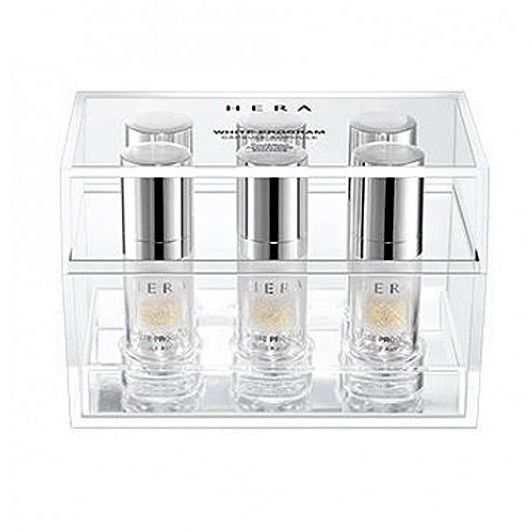
Pregnancy-safe products containing polyquaternium-51
Hera
HERA White Program Capsule Ampoule - 1pack - 6pc
99/100
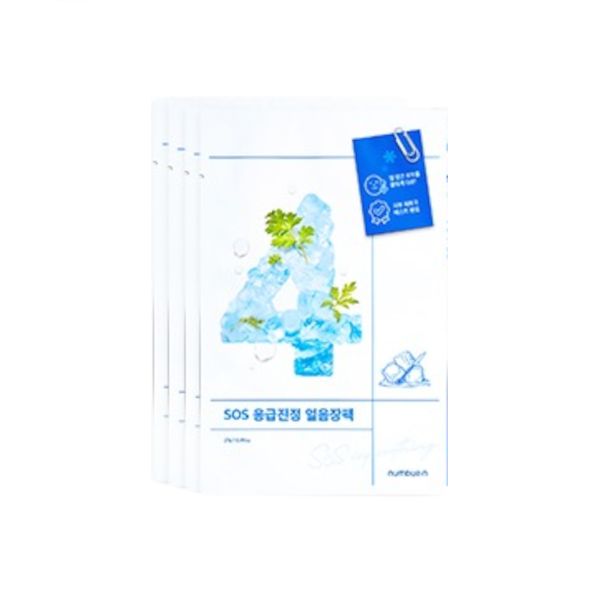
numbuzin No.4 Icy Soothing Sheet Mask - 27g*4ea
99/100
Rohto Mentholatum AD Lotion - 200g
99/100
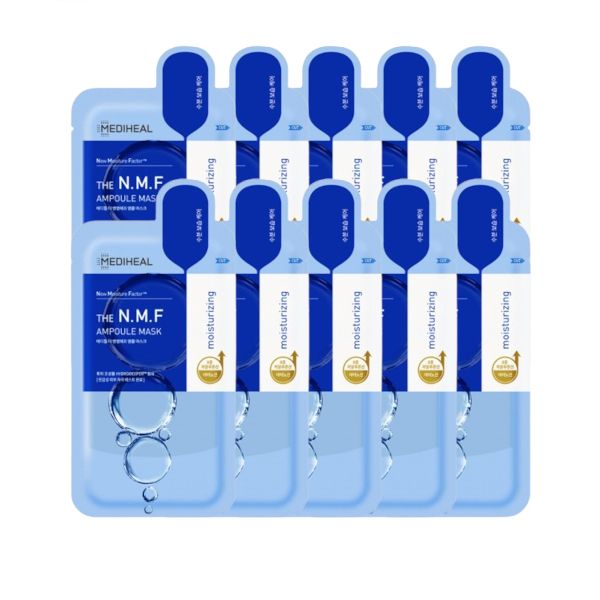
Mediheal The N.M.F Ampoule Mask - 10pc
99/100
Numbuzin
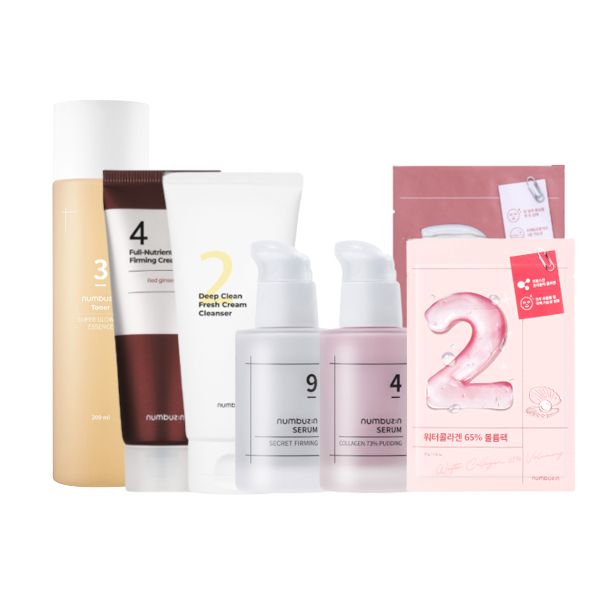
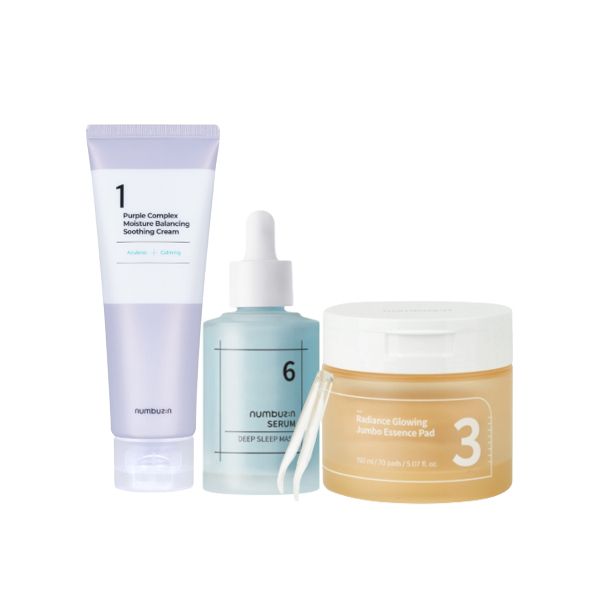
numbuzin anti-aging Skincare Set
99/100
IOPE
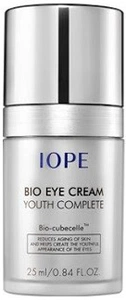
IOPE Bio Eye Cream Youth Complete
99/100
Mediheal
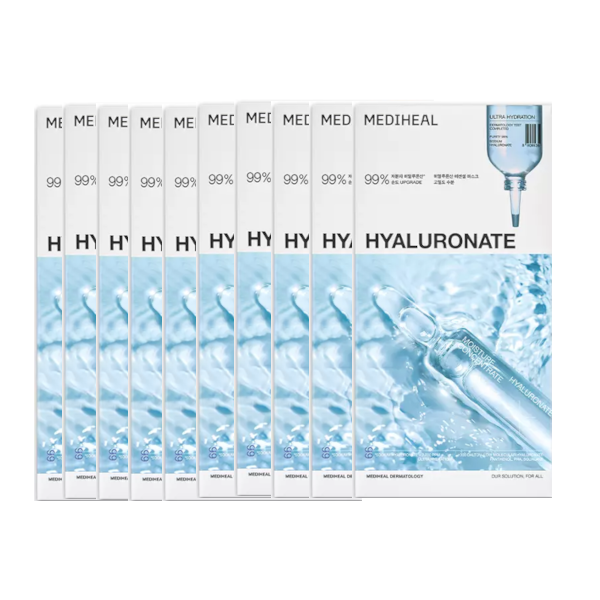
Mediheal Hyaluronate Essential Mask Sheet - 10pcs
99/100
Numbuzin
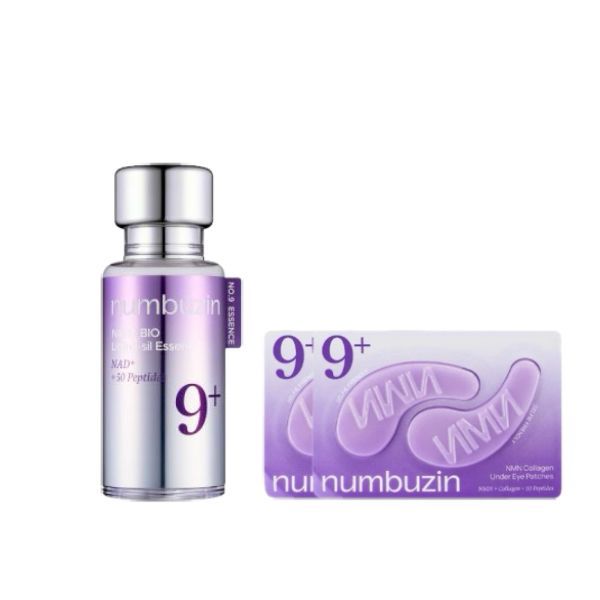
numbuzin No.9 NAD+ BIO Lifting-sil Essence - 30ml (1ea) & NAD+ Collagen Under Eye Patches - 2ea Set
99/100
Mandom
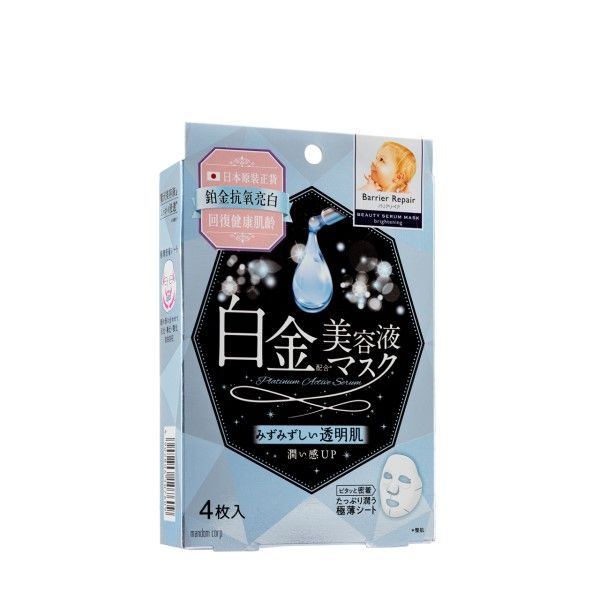
Mandom Barrier Repair Beauty Serum Mask - Brightening - 4pcs
99/100
Numbuzin
numbuzin Dry Skincare Set A
99/100
Related ingredients
См. также
Sources & references
Authoritative references used to score this ingredient.
Frequently asked questions
- Безопасен ли polyquaternium-51 при беременности?
- No harmonised CLP reproductive classifications or SCCS/CIR safety findings were identified for polyquaternium‑51; it is a high‑molecular‑weight quaternary ammonium polymer with no published reproductive toxicity or teratogenicity data in the regulatory/authoritative sources checked (ECHA Annex VI, PubChem, CosIng). Polymers of this type are generally poorly absorbed dermally, so topical maternal exposure is expected to be negligible.
- Безопасен ли polyquaternium-51 при грудном вскармливании?
- No evidence of reproductive or lactation-specific toxicity or systemic maternal effects was identified in authoritative sources (no harmonised CLP, no SCCS/CIR assessment indicating hazard). Given the polymeric high‑MW nature and expected minimal dermal absorption, transfer into breast milk is unlikely and exposure to nursing infants from topical maternal use is expected to be negligible.
- Безопасен ли polyquaternium-51 для кожи малыша?
- No infant‑specific reproductive or developmental hazards were identified. Polyquaternium‑51 is a high‑molecular‑weight polymer with low expected systemic absorption; however, immature infant skin has higher permeability, so dermal exposure for babies (0–3 yr) is considered low but measurable (adult exposure scored 0 → infant exposure scored +1). No studies were found that demonstrate placental transfer, endocrine activity, or infant toxicity.
- Как VeriMom оценивает polyquaternium-51?
- VeriMom оценивает polyquaternium-51 в 100/100 (без известных рисков) на основе EU CosIng, классификаций ECHA и исследований PubMed.
- Какие безопасные альтернативы polyquaternium-51 при беременности?
- См. наш список безопасных альтернатив polyquaternium-51 с аналогичной функцией и классификацией без известных рисков.
Проверьте свою косметику
Вставьте список ингредиентов любого продукта в наш бесплатный анализатор и посмотрите оценку каждого ингредиента по регуляторным данным ЕС и рецензируемым исследованиям.
Открыть проверку ингредиентов для беременныхПроверь любой состав за 2 секунды
Скачай VeriMom бесплатно — отсканируй любой продукт и мгновенно получи оценку безопасности при беременности.
Медицинская оговорка
Данная информация предоставлена исключительно в образовательных целях и не является медицинской рекомендацией. Оценки безопасности основаны на общедоступных данных и могут не отражать все риски. Всегда консультируйтесь с вашим врачом перед использованием любых средств во время беременности или грудного вскармливания.