 VeriMom
¿Es polyquaternium-37 seguro durante el embarazo?
Reviewed by VeriMom Editorial Team · Last reviewed
Ingredientes
polyquaternium-37
SIN RIESGOS CONOCIDOS100
/100
0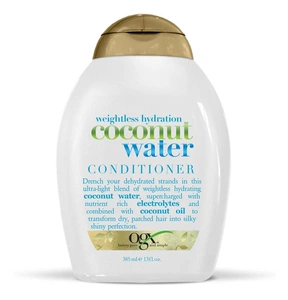
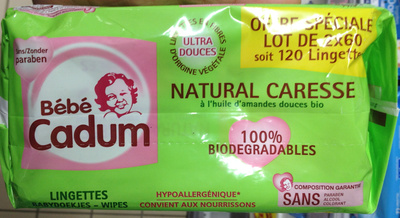
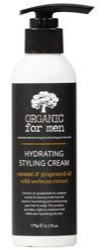
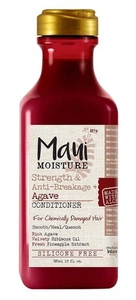
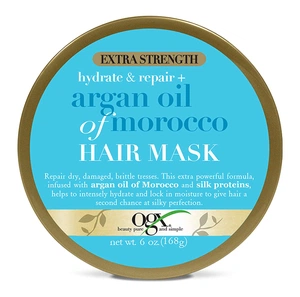
Pregnancy-safe products containing polyquaternium-37
OGX
OGX Weightless Hydration Coconut Water Conditioner
99/100
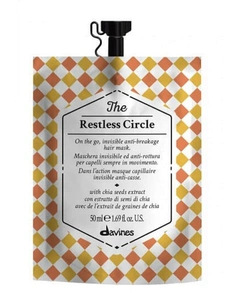
Davines
Davines The Restless Circle
99/100
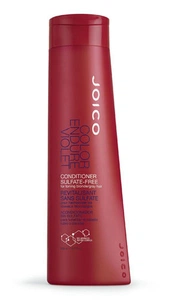
Joico
Joico Colour Endure Violet Sulfate Free Conditioner
99/100
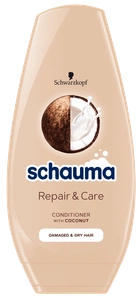
Schwarzkopf
Schwarzkopf Schauma Repair & Care Conditioner
99/100
L'Oréal
Natural caresse à l'huile d'amande douce
99/100
Organic for Men
Organic for Men Hydrating Styling Cream
99/100
Maui Moisture
Maui moisture Strength + Anti-Breakage Conditioner
98/100
OGX
OGX Hydrate & Repair+ Argan Oil Of Morocco Extra Strength Hair Mask
98/100
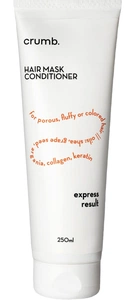
crumb.
crumb. Hair Mask Conditioner For Porous And Fluffy Hair
98/100
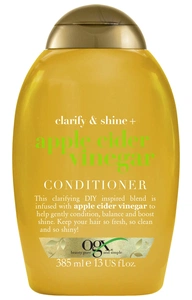
OGX
OGX Clarify & Shine + Apple Cider Vinegar Conditioner
98/100
Related ingredients
Ver también
Sources & references
Authoritative references used to score this ingredient.
Frequently asked questions
- ¿Es polyquaternium-37 seguro durante el embarazo?
- No harmonised CLP reproductive classification (no H360/H361) and no authoritative reproductive safety signal found in CIR/SCCS or PubMed for polyquaternium-37. Available ingredient databases (ECHA/CosIng, PubChem) list it as a high‑molecular‑weight cationic polymer/conditioning agent with no documented developmental or reproductive toxicity; therefore default hazard/mechanism/exposure scores are 0.
- ¿Es polyquaternium-37 seguro durante la lactancia?
- Topical use of polyquaternium-37 is not associated with systemic reproductive or lactation-specific toxicity in authoritative sources, and no data indicate breast milk transfer. Given its high molecular weight and polymeric cationic nature, systemic absorption is expected to be negligible, so exposure during breastfeeding is scored 0.
- ¿Es polyquaternium-37 seguro para la piel del bebé?
- No evidence of reproductive or developmental hazard for infants in CIR/SCCS/PubMed. Mechanistic data lacking. Because polyquaternium-37 is a large cationic polymer with low expected dermal absorption for adults, adult exposure is scored 0; however infant skin has higher permeability and surface‑area‑to‑weight, so exposure score is increased by +1 to reflect low but potentially measurable exposure in 0–3 yr olds.
- ¿Cómo puntúa VeriMom a polyquaternium-37?
- VeriMom puntúa polyquaternium-37 en 100/100 (sin riesgos conocidos) según el estado EU CosIng, clasificaciones ECHA y estudios PubMed.
- ¿Cuáles son las alternativas seguras a polyquaternium-37 en el embarazo?
- Consulta nuestra lista de alternativas seguras a polyquaternium-37 según función similar y clasificación sin riesgos conocidos.
Revisa tus propios cosméticos
Pega la lista de ingredientes de cualquier producto en nuestro verificador gratuito y mira cada ingrediente evaluado con datos regulatorios de la UE e investigación revisada por pares.
Abrir el verificador de ingredientes seguros en el embarazoComprueba cualquier etiqueta en 2 segundos
Descarga VeriMom gratis — escanea cualquier producto y ve la puntuación de seguridad en el embarazo al instante.
Aviso Médico
Esta información es solo para fines educativos y no constituye asesoramiento médico. Las puntuaciones de seguridad se basan en datos disponibles públicamente y pueden no reflejar todos los riesgos. Siempre consulte a su profesional de salud antes de usar cualquier producto durante el embarazo o la lactancia.