 VeriMom
Безопасен ли polyglyceryl-3 palmitate при беременности?
Reviewed by VeriMom Editorial Team · Last reviewed
Ингредиенты
polyglyceryl-3 palmitate
БЕЗ ИЗВЕСТНЫХ РИСКОВ100
/100
0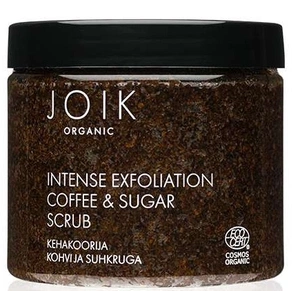
Pregnancy-safe products containing polyglyceryl-3 palmitate
Joik Organic
Joik Organic Intense Exfoliation Coffee & Sugar Scrub
99/100
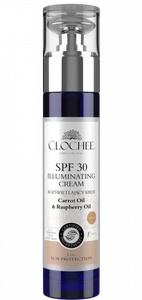
CLOCHEE
CLOCHEE Illuminating Cream SPF 30 Carrot Oil & Raspberry Oil
98/100
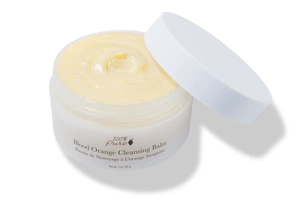
100% Pure
100% Pure Blood Orange Cleansing Balm
98/100
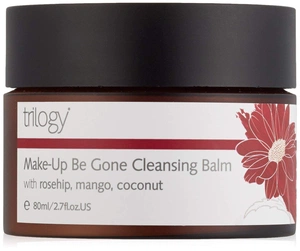
Trilogy
Trilogy Make-Up Be Gone Cleansing Balm
96/100
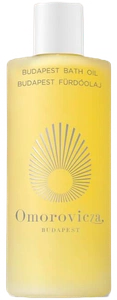
Omorovicza
Omorovicza Budapest Bath Oil
85/100
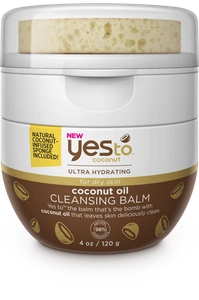
Yes to
Yes To Coconut Oil Cleansing Balm
84/100
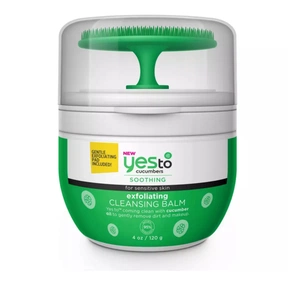
Yes to
Yes To Cucumbers Exfoliating Cleansing Balm
84/100
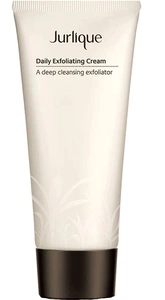
Jurlique
Jurlique Daily Exfoliating Cream
82/100
body-care
Unknown
yes to Cucumbers Exfoliating Cleansing Balm 120g
81/100
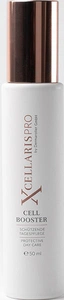
Xcellaris Pro
Xcellaris Pro Cell Booster
80/100
Related ingredients
См. также
Sources & references
Authoritative references used to score this ingredient.
Frequently asked questions
- Безопасен ли polyglyceryl-3 palmitate при беременности?
- No harmonised CLP reproductive classification (no H360/H361) and no SCCS or CIR safety assessment flagging reproductive hazards. No peer‑reviewed reproductive or developmental toxicity studies identified for polyglyceryl‑3 palmitate; ingredient is a high‑MW non‑ionic emulsifier with low expected dermal penetration, so default hazard/mechanism scores are 0. Sources consulted: ECHA Annex VI (no harmonised classification), SCCS/CIR (no adverse opinions), PubMed (no reproductive studies), PubChem/CosIng (ingredient listing).
- Безопасен ли polyglyceryl-3 palmitate при грудном вскармливании?
- Same justification as pregnancy: no reproductive or lactation‑related toxicity indication in regulatory or peer‑reviewed sources; expected low dermal/systemic availability from cosmetic topical use makes transfer to breast milk unlikely. Sources: CIR/SCCS (no concerns), PubChem, CosIng.
- Безопасен ли polyglyceryl-3 palmitate для кожи малыша?
- Hazard and mechanism remain 0 (no evidence of reproductive or developmental toxicity). Exposure is increased by one category for infants (e from 0→1) because infant skin has a less mature barrier and higher surface‑area‑to‑body‑weight, and although polyglyceryl‑3 palmitate is a large, lipophilic/non‑ionic emulsifier with low expected penetration in adults, measurable absorption in infants is plausible. Sources: CosIng (ingredient function), PubChem (physicochemical context), general dermal absorption principles for infant skin.
- Как VeriMom оценивает polyglyceryl-3 palmitate?
- VeriMom оценивает polyglyceryl-3 palmitate в 100/100 (без известных рисков) на основе EU CosIng, классификаций ECHA и исследований PubMed.
- Какие безопасные альтернативы polyglyceryl-3 palmitate при беременности?
- См. наш список безопасных альтернатив polyglyceryl-3 palmitate с аналогичной функцией и классификацией без известных рисков.
Проверьте свою косметику
Вставьте список ингредиентов любого продукта в наш бесплатный анализатор и посмотрите оценку каждого ингредиента по регуляторным данным ЕС и рецензируемым исследованиям.
Открыть проверку ингредиентов для беременныхПроверь любой состав за 2 секунды
Скачай VeriMom бесплатно — отсканируй любой продукт и мгновенно получи оценку безопасности при беременности.
Медицинская оговорка
Данная информация предоставлена исключительно в образовательных целях и не является медицинской рекомендацией. Оценки безопасности основаны на общедоступных данных и могут не отражать все риски. Всегда консультируйтесь с вашим врачом перед использованием любых средств во время беременности или грудного вскармливания.