 VeriMom
Безопасен ли octyldodecyl xyloside при беременности?
Reviewed by VeriMom Editorial Team · Last reviewed
Ингредиенты
octyldodecyl xyloside
БЕЗ ИЗВЕСТНЫХ РИСКОВ100
/100
0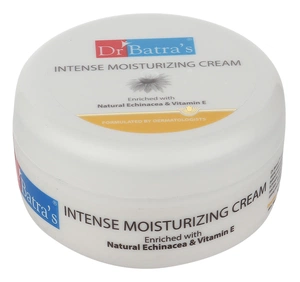
Pregnancy-safe products containing octyldodecyl xyloside
Dr. Batra's
Dr. Batra's Intense Moisturizing Cream
99/100
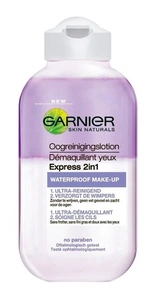
Garnier
Garnier Skinactive Oogreinigingslotion
98/100
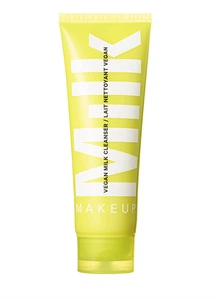
Milk Makeup
Milk Makeup Vegan Milk Facial Cleanser
98/100
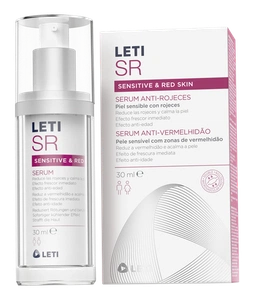
Leti
LETI Sr Sérum Antirojeces
98/100
Academie
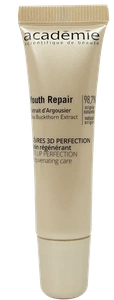
Academie Youth Repair 3D Lip Perfector
98/100
Academie
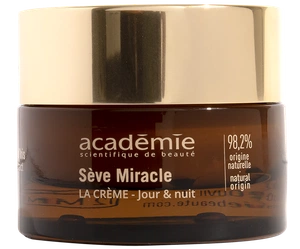
Academie Sève Miracle La Crème
98/100
SVR
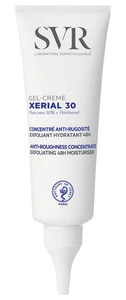
SVR Xerial 30 Gel-cream
97/100
Alternative Stereo
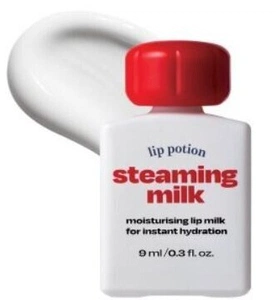
Alternative Stereo Lip Potion Steaming Milk
97/100
Academie
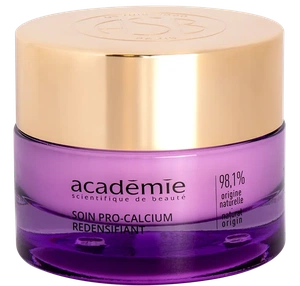
Academie Time+ Redensifying Pro-Calcium Treatment
97/100
Academie
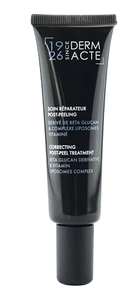
Academie Derm Acte
97/100
Related ingredients
См. также
Sources & references
Authoritative references used to score this ingredient.
Frequently asked questions
- Безопасен ли octyldodecyl xyloside при беременности?
- No harmonised CLP classification (ECHA Annex VI) or SCCS/CIR reproductive safety restriction found for octyldodecyl xyloside. No peer-reviewed reproductive or developmental toxicity studies identified in PubMed or regulatory dossiers indicating reproductive hazard; surfactant class (alkyl glycosides) is generally considered low toxicity in cosmetic use. Therefore default hazard/mechanism = 0 and exposure from normal topical cosmetic use = 0. (Sources consulted: ECHA Annex VI (no harmonised classification), PubChem entry (no reproductive data), CosIng listing, PubMed search — no reproductive studies found.)
- Безопасен ли octyldodecyl xyloside при грудном вскармливании?
- No data indicating reproductive or lactation transfer hazards. No specific data showing placental or milk transfer; no regulatory flags. Therefore hazard and mechanism scored 0 and exposure from topical use scored 0. (Sources: ECHA Annex VI, PubChem, PubMed, CosIng.)
- Безопасен ли octyldodecyl xyloside для кожи малыша?
- No evidence of developmental or infant-specific toxicity. Adult hazard/mechanism remain 0. Exposure score increased by +1 for infants (to 1) because infant skin has a less mature barrier and higher surface-area-to-weight — while adult dermal absorption appears negligible for this high-molecular-weight nonionic surfactant class, it is prudent to account for modestly higher exposure in 0–3 yr children. No infant-specific absorption or toxicity studies located. (Sources: CosIng, PubChem, PubMed (no infant studies), ECHA Annex VI.)
- Как VeriMom оценивает octyldodecyl xyloside?
- VeriMom оценивает octyldodecyl xyloside в 100/100 (без известных рисков) на основе EU CosIng, классификаций ECHA и исследований PubMed.
- Какие безопасные альтернативы octyldodecyl xyloside при беременности?
- См. наш список безопасных альтернатив octyldodecyl xyloside с аналогичной функцией и классификацией без известных рисков.
Проверьте свою косметику
Вставьте список ингредиентов любого продукта в наш бесплатный анализатор и посмотрите оценку каждого ингредиента по регуляторным данным ЕС и рецензируемым исследованиям.
Открыть проверку ингредиентов для беременныхПроверь любой состав за 2 секунды
Скачай VeriMom бесплатно — отсканируй любой продукт и мгновенно получи оценку безопасности при беременности.
Медицинская оговорка
Данная информация предоставлена исключительно в образовательных целях и не является медицинской рекомендацией. Оценки безопасности основаны на общедоступных данных и могут не отражать все риски. Всегда консультируйтесь с вашим врачом перед использованием любых средств во время беременности или грудного вскармливания.