 VeriMom
Безопасен ли octenidine hcl при беременности?
No harmonised reproductive classification (no H360/H361 listed) and no authoritative cosmetic-safety opinions (CIR or SCCS) identified for octenidine·HCl. PubChem/GHS annotations show acute toxicity, irritation and aquatic hazards but do not indicate reproductive toxicity; therefore there is no evidence to score a reproductive hazard. (Sources: PubChem GHS; no entry in ECHA Annex VI harmonised CLP or CIR/SCCS opinions found in available regulatory lists.)
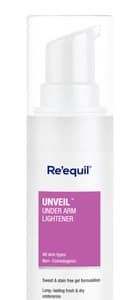
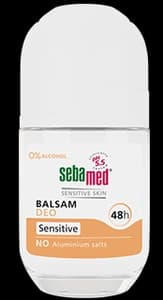
Pregnancy-safe products containing octenidine hcl






Related ingredients
Frequently asked questions
- Безопасен ли octenidine hcl при беременности?
- No harmonised reproductive classification (no H360/H361 listed) and no authoritative cosmetic-safety opinions (CIR or SCCS) identified for octenidine·HCl. PubChem/GHS annotations show acute toxicity, irritation and aquatic hazards but do not indicate reproductive toxicity; therefore there is no evidence to score a reproductive hazard. (Sources: PubChem GHS; no entry in ECHA Annex VI harmonised CLP or CIR/SCCS opinions found in available regulatory lists.)
- Безопасен ли octenidine hcl при грудном вскармливании?
- Same rationale as pregnancy: no authoritative or harmonised classification for reproductive or lactation hazards. Available GHS/acute toxicity and irritation flags do not constitute evidence of lactation-specific hazard or transfer into breast milk. Topical cosmetic use would likely give low systemic exposure absent data to the contrary. (Sources: PubChem GHS; absence of CIR/SCCS/harmonised CLP listings.)
- Безопасен ли octenidine hcl для кожи малыша?
- No infant-specific reproductive or mechanistic hazards identified. However, infant (0–3 yr) skin has a higher surface-area-to-weight ratio and less mature barrier; in the absence of dermal absorption data, exposure score is increased by +1 relative to adults (per instructions). PubChem/GHS indicates skin/eye irritation potential which is relevant for infant skin sensitivity, but no data show systemic developmental toxicity. (Sources: PubChem GHS; no harmonised CLP in ECHA Annex VI; no CIR/SCCS opinion found.)
- Как VeriMom оценивает octenidine hcl?
- VeriMom оценивает octenidine hcl в 100/100 (без известных рисков) на основе EU CosIng, классификаций ECHA и исследований PubMed.
- Какие безопасные альтернативы octenidine hcl при беременности?
- См. наш список безопасных альтернатив octenidine hcl с аналогичной функцией и классификацией без известных рисков.
Проверь любой состав за 2 секунды
Скачай VeriMom бесплатно — отсканируй любой продукт и мгновенно получи оценку безопасности при беременности.
Медицинская оговорка
Данная информация предоставлена исключительно в образовательных целях и не является медицинской рекомендацией. Оценки безопасности основаны на общедоступных данных и могут не отражать все риски. Всегда консультируйтесь с вашим врачом перед использованием любых средств во время беременности или грудного вскармливания.