 VeriMom
¿Es microcrystalline cellulose seguro durante el embarazo?
Reviewed by VeriMom Editorial Team · Last reviewed
Ingredientes
microcrystalline cellulose
SIN RIESGOS CONOCIDOS100
/100
0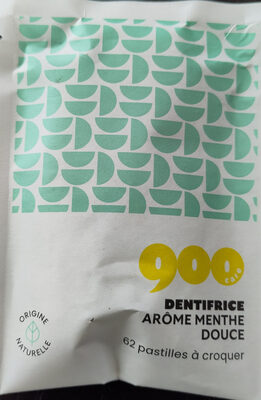
Pregnancy-safe products containing microcrystalline cellulose
900.care
dentifrice arôme menthe douce
100/100
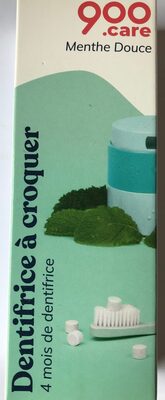
900.care
Dentifrice à croquer - Menthe douce
100/100
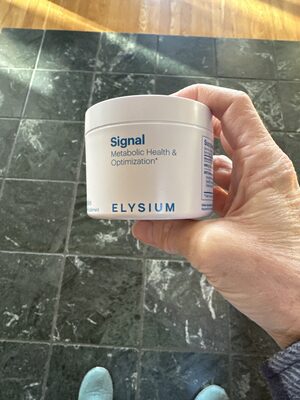
Elysium
Signal Metabolic Health & Optimization
100/100
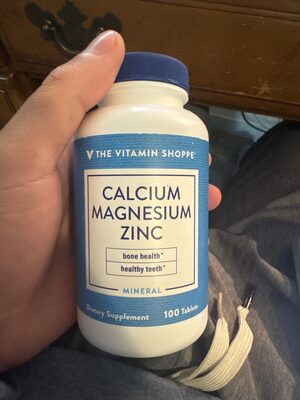
The vitamin shoppe
Calcium Magnesium zinc
100/100
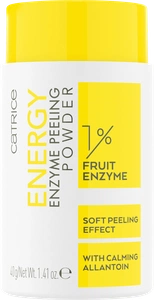
Catrice
Catrice Energy Enzyme Peeling Powder
100/100
Unknown
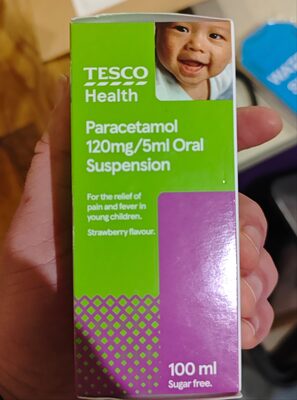
Tesco paracetamol suspension
100/100
uncategorized
Unknown
gas relief
100/100
makeup
Unknown
Tums antacid Smoothies - Berry Fusion
100/100
uncategorized
Dymatize
Dymatize Bcaa Complex 2200 400 Caplets
100/100
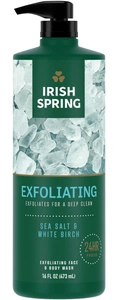
Irish Spring
Irish Spring Exfoliating Face & Body Wash
100/100
Related ingredients
Ver también
Sources & references
Authoritative references used to score this ingredient.
Frequently asked questions
- ¿Es microcrystalline cellulose seguro durante el embarazo?
- Microcrystalline cellulose (CAS 9004-34-6) is an inert, high-molecular-weight polymer used as a bulking/binder agent with no harmonised CLP reproductive classifications and no CIR or SCCS safety flags for reproductive toxicity; peer-reviewed and regulatory sources report low toxicity and negligible systemic absorption from topical use, supporting no pregnancy hazard (ECHA Annex VI: no harmonised classification; CIR: no reproductive concern; PubChem: low toxicity).
- ¿Es microcrystalline cellulose seguro durante la lactancia?
- Given its polymeric, non-bioavailable nature and absence of reproductive or systemic-toxicity findings, there is no evidence of risk to nursing infants from topical cosmetic use; no mechanistic or clinical data indicate placental or milk transfer (sources: CIR, PubChem, ECHA registration data/CosIng entries showing inert use).
- ¿Es microcrystalline cellulose seguro para la piel del bebé?
- Microcrystalline cellulose is a large, insoluble particulate polymer with negligible dermal absorption; therefore exposure via baby skin from topical cosmetics is expected to be negligible and not to increase hazard or mechanism scores. (Sources: PubChem, CosIng, ECHA registration information; no infant-specific adverse data found.)
- ¿Cómo puntúa VeriMom a microcrystalline cellulose?
- VeriMom puntúa microcrystalline cellulose en 100/100 (sin riesgos conocidos) según el estado EU CosIng, clasificaciones ECHA y estudios PubMed.
- ¿Cuáles son las alternativas seguras a microcrystalline cellulose en el embarazo?
- Consulta nuestra lista de alternativas seguras a microcrystalline cellulose según función similar y clasificación sin riesgos conocidos.
Revisa tus propios cosméticos
Pega la lista de ingredientes de cualquier producto en nuestro verificador gratuito y mira cada ingrediente evaluado con datos regulatorios de la UE e investigación revisada por pares.
Abrir el verificador de ingredientes seguros en el embarazoComprueba cualquier etiqueta en 2 segundos
Descarga VeriMom gratis — escanea cualquier producto y ve la puntuación de seguridad en el embarazo al instante.
Aviso Médico
Esta información es solo para fines educativos y no constituye asesoramiento médico. Las puntuaciones de seguridad se basan en datos disponibles públicamente y pueden no reflejar todos los riesgos. Siempre consulte a su profesional de salud antes de usar cualquier producto durante el embarazo o la lactancia.