 VeriMom
¿Es dilinoleic acid/butanediol copolymer seguro durante el embarazo?
Reviewed by VeriMom Editorial Team · Last reviewed
Ingredientes
dilinoleic acid/butanediol copolymer
SIN RIESGOS CONOCIDOS100
/100
0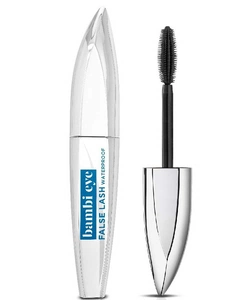
Pregnancy-safe products containing dilinoleic acid/butanediol copolymer
L'oreal Paris
L'Oreal Paris Waterproof Mascara False Lash Bambi Eye
99/100
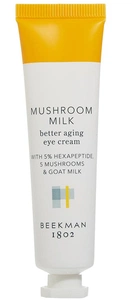
Beekman 1802
Beekman 1802 Mushroom Milk Better Aging Eye Cream
98/100
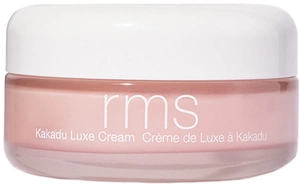
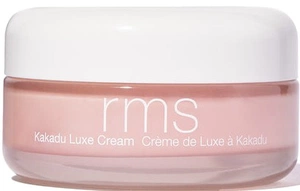
RMS Beauty
RMS Beauty Kakadu Luxe Cream
98/100
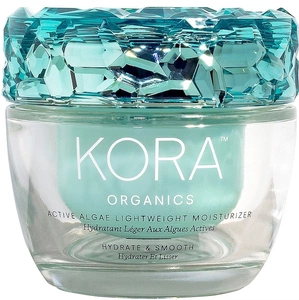
KORA ORGANICS
KORA ORGANICS Active Algae Lightweight Moisturizer
98/100
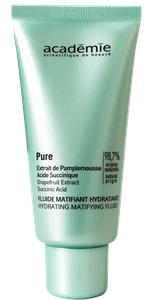
Academie
Academie Pure Hydrating Matifying Fluid
97/100
RMS Beauty
RMS Beauty Kakadu Cream
97/100
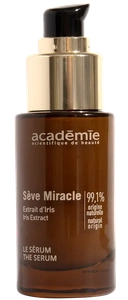
Academie
Academie Sève Miracle Le Sérum
97/100
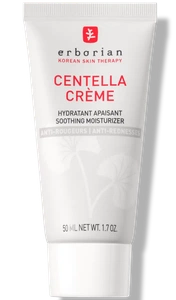
Erborian
Erborian Centella Crème
97/100
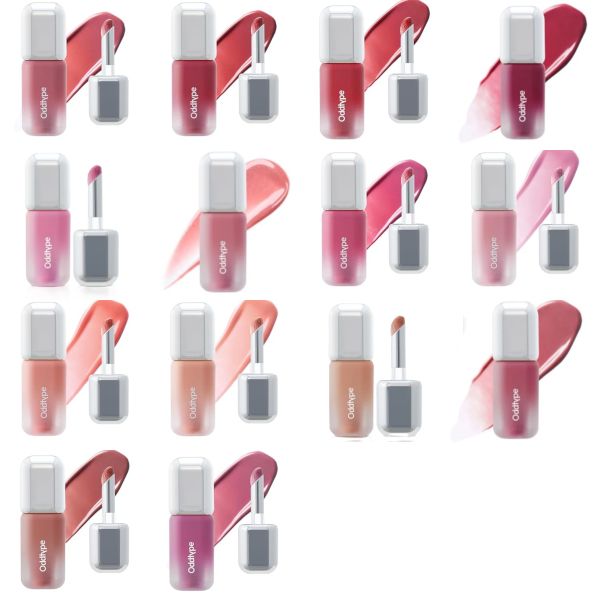
Oddtype
Oddtype Unseen Balloon Tint - 3g
97/100
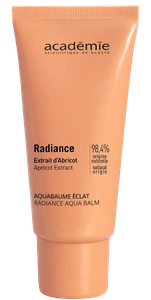
Academie
Academie Radiance Aqua Balm
96/100
Related ingredients
Ver también
Sources & references
Authoritative references used to score this ingredient.
Frequently asked questions
- ¿Es dilinoleic acid/butanediol copolymer seguro durante el embarazo?
- No harmonised CLP reproductive classification (ECHA Annex VI), no SCCS/CIR reproductive safety flags found, and no peer-reviewed evidence of reproductive toxicity for this copolymer or close analogues; thus default 'no evidence of reproductive hazard'. Sources searched: ECHA (Annex VI/C&L), COSING, PubChem, CIR, PubMed.
- ¿Es dilinoleic acid/butanediol copolymer seguro durante la lactancia?
- No data or regulatory warnings indicating transfer to breast milk or reproductive/breastfeeding-specific effects. As a high-molecular-weight polyester-type copolymer with no harmonised classification, expected systemic transfer from topical cosmetic use is negligible.
- ¿Es dilinoleic acid/butanediol copolymer seguro para la piel del bebé?
- No evidence of developmental/infant-specific hazard. Adult topical dermal absorption from a polymeric dilinoleic acid/butanediol copolymer is expected to be negligible (adult e = 0). Per instructions, because infants have a higher surface-area-to-weight ratio and a less mature barrier, increase exposure score by +1 to e = 1 even though the substance shows low absorption; no infant-specific toxicity data were identified.
- ¿Cómo puntúa VeriMom a dilinoleic acid/butanediol copolymer?
- VeriMom puntúa dilinoleic acid/butanediol copolymer en 100/100 (sin riesgos conocidos) según el estado EU CosIng, clasificaciones ECHA y estudios PubMed.
- ¿Cuáles son las alternativas seguras a dilinoleic acid/butanediol copolymer en el embarazo?
- Consulta nuestra lista de alternativas seguras a dilinoleic acid/butanediol copolymer según función similar y clasificación sin riesgos conocidos.
Revisa tus propios cosméticos
Pega la lista de ingredientes de cualquier producto en nuestro verificador gratuito y mira cada ingrediente evaluado con datos regulatorios de la UE e investigación revisada por pares.
Abrir el verificador de ingredientes seguros en el embarazoComprueba cualquier etiqueta en 2 segundos
Descarga VeriMom gratis — escanea cualquier producto y ve la puntuación de seguridad en el embarazo al instante.
Aviso Médico
Esta información es solo para fines educativos y no constituye asesoramiento médico. Las puntuaciones de seguridad se basan en datos disponibles públicamente y pueden no reflejar todos los riesgos. Siempre consulte a su profesional de salud antes de usar cualquier producto durante el embarazo o la lactancia.