 VeriMom
¿Es dihydroxyacetone seguro durante el embarazo?
Reviewed by VeriMom Editorial Team · Last reviewed
Ingredientes
dihydroxyacetone
SIN RIESGOS CONOCIDOS93
/100
0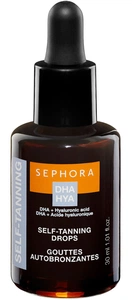
Pregnancy-safe products containing dihydroxyacetone
SEPHORA COLLECTION
SEPHORA COLLECTION Self Tanning Drops
99/100
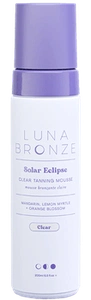
Luna Bronze
Luna Bronze Solar Eclipse Clear Tanning Mousse
99/100
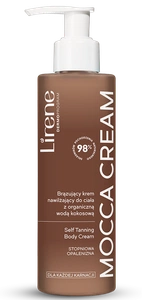
Lirene
Lirene Perfect Tan Self Tanning Body Cream Mocca Cream
98/100
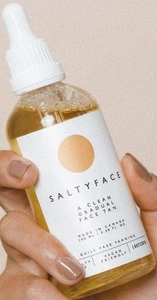
Salty Face
Salty Face Gradual Face Tan
98/100
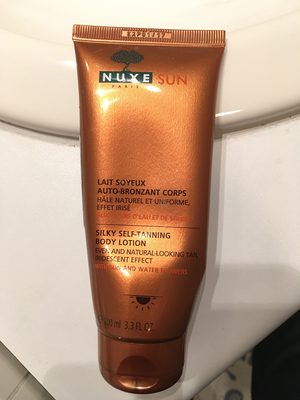
Nuxe
Lait soyeux auto-bronzant corps
98/100
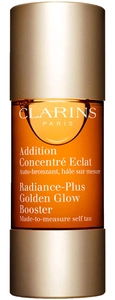
Clarins
Clarins Radiance-Plus Golden Glow Booster For Face
98/100
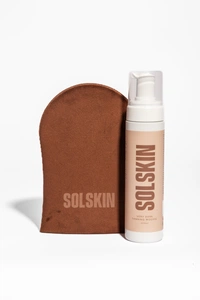
Solskin
Solskin Tanning Mousse
98/100
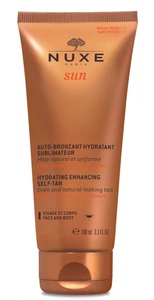
Nuxe
Nuxe Sun Hydrating Enhancing Self Tan
98/100
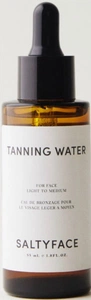
Salty Face
Salty Face Tanning Water
98/100
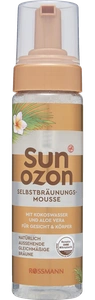
Sun Ozon
Sun Ozon Selbstbräunungs-Mousse
98/100
Related ingredients
Ver también
Sources & references
Authoritative references used to score this ingredient.
Frequently asked questions
- ¿Es dihydroxyacetone seguro durante el embarazo?
- SCCS (final opinion, Mar 4, 2020) concluded DHA is safe for cosmetic leave‑on use up to 6.25% (hair) and up to 10% (self‑tanning/face creams), with no reproductive/pregnancy hazard identified. Published reviews note topical use gives minimal systemic uptake (~0.5%), so systemic exposure in pregnancy is low but measurable. ([health.ec.europa.eu](https://health.ec.europa.eu/publications/dihydroxyacetone-dha-13-dihydroxy-2-propanone-cas-no-96-26-4_en))
- ¿Es dihydroxyacetone seguro durante la lactancia?
- No authoritative classification or evidence of reproductive or lactation hazard; SCCS assessed cosmetic safety and did not flag breastfeeding/lactation risks. Dermal use produces low but measurable systemic levels, so exposure via milk is theoretically possible but not documented. ([health.ec.europa.eu](https://health.ec.europa.eu/publications/dihydroxyacetone-dha-13-dihydroxy-2-propanone-cas-no-96-26-4_en))
- ¿Es dihydroxyacetone seguro para la piel del bebé?
- No infant‑specific developmental or dermal toxicity data were identified and authoritative reviews (SCCS) did not flag child/infant hazards. Because DHA has measurable dermal absorption in adults (low), baby skin exposure is increased (immature barrier, higher SA:BW), so exposure score is increased by +1 relative to adults. No evidence found to increase hazard or mechanism scores. ([health.ec.europa.eu](https://health.ec.europa.eu/publications/dihydroxyacetone-dha-13-dihydroxy-2-propanone-cas-no-96-26-4_en))
- ¿Cómo puntúa VeriMom a dihydroxyacetone?
- VeriMom puntúa dihydroxyacetone en 93/100 (sin riesgos conocidos) según el estado EU CosIng, clasificaciones ECHA y estudios PubMed.
- ¿Cuáles son las alternativas seguras a dihydroxyacetone en el embarazo?
- Consulta nuestra lista de alternativas seguras a dihydroxyacetone según función similar y clasificación sin riesgos conocidos.
Revisa tus propios cosméticos
Pega la lista de ingredientes de cualquier producto en nuestro verificador gratuito y mira cada ingrediente evaluado con datos regulatorios de la UE e investigación revisada por pares.
Abrir el verificador de ingredientes seguros en el embarazoComprueba cualquier etiqueta en 2 segundos
Descarga VeriMom gratis — escanea cualquier producto y ve la puntuación de seguridad en el embarazo al instante.
Aviso Médico
Esta información es solo para fines educativos y no constituye asesoramiento médico. Las puntuaciones de seguridad se basan en datos disponibles públicamente y pueden no reflejar todos los riesgos. Siempre consulte a su profesional de salud antes de usar cualquier producto durante el embarazo o la lactancia.