 VeriMom
croscarmellose est-il sûr pendant la grossesse ?
No harmonised CLP classification, no SCCS/CIR safety assessments indicating reproductive hazard, and no peer‑reviewed reproductive/toxicology evidence for croscarmellose sodium as used in topical/excipient contexts; croscarmellose is a high‑MW cross‑linked cellulose derivative with minimal systemic absorption when used topically/orally as an excipient (see ECHA substance entry / PubChem / USP monograph). (ECHA: substance info; PubChem/USP descriptions; NHS/drug information noting safety of related cellulose salts in ocular use).
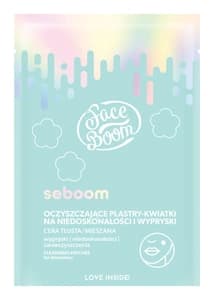
Pregnancy-safe products containing croscarmellose


Related ingredients
Frequently asked questions
- croscarmellose est-il sûr pendant la grossesse ?
- No harmonised CLP classification, no SCCS/CIR safety assessments indicating reproductive hazard, and no peer‑reviewed reproductive/toxicology evidence for croscarmellose sodium as used in topical/excipient contexts; croscarmellose is a high‑MW cross‑linked cellulose derivative with minimal systemic absorption when used topically/orally as an excipient (see ECHA substance entry / PubChem / USP monograph). (ECHA: substance info; PubChem/USP descriptions; NHS/drug information noting safety of related cellulose salts in ocular use).
- croscarmellose est-il sûr pendant l'allaitement ?
- No evidence of reproductive or lactation hazards, no mechanistic or clinical data suggesting transfer into breastmilk from topical use; the ingredient is a polymeric, poorly absorbed excipient commonly used in pharmaceuticals and considered inert in formulation roles (see PubChem/USP and clinical guidance on carmellose eye drops in pregnancy/breastfeeding).
- croscarmellose est-il sûr pour la peau de bébé ?
- Hazard and mechanism: no infant‑specific reproductive or developmental hazards identified. Exposure: adult dermal absorption is negligible for this high‑MW, water‑swelling polymer; because infant skin has higher surface‑area‑to‑weight and an immature barrier, increase exposure score by +1 (to 1) per your scoring rules though systemic absorption still expected to be very low. No infant‑specific studies showing harm.
- Comment VeriMom évalue-t-il croscarmellose ?
- VeriMom évalue croscarmellose à 100/100 (pas de risques connus) sur la base du statut EU CosIng, des classifications ECHA et des études PubMed.
- Quelles sont les alternatives sûres à croscarmellose pendant la grossesse ?
- Consultez notre liste d'alternatives sûres à croscarmellose basée sur une fonction similaire et une classification sans risques connus.
Vérifiez chaque étiquette en 2 secondes
Obtenez VeriMom gratuitement — scannez n'importe quel produit et voyez le score de sécurité grossesse instantanément.
Avis Médical
Ces informations sont fournies à titre éducatif uniquement et ne constituent pas un avis médical. Les scores de sécurité sont basés sur des données accessibles au public et peuvent ne pas refléter tous les risques. Consultez toujours votre professionnel de santé avant d'utiliser tout produit pendant la grossesse ou l'allaitement.