 VeriMom
Безопасен ли chloroxylenol при беременности?
Reviewed by VeriMom Editorial Team · Last reviewed
Ингредиенты
chloroxylenol
БЕЗ ИЗВЕСТНЫХ РИСКОВ93
/100
0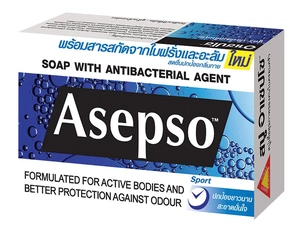
Pregnancy-safe products containing chloroxylenol
Asepso
Asepso Sport
100/100
Johnson & Johnsons
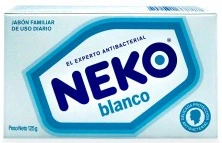
Johnson & Johnsons Neko Blanco
99/100
Sebamed
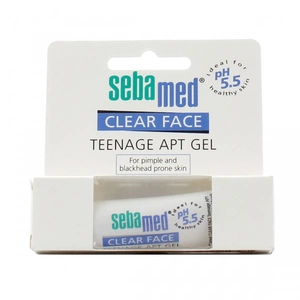
Sebamed Clear Face Teenage Apt Gel
98/100
Sebamed
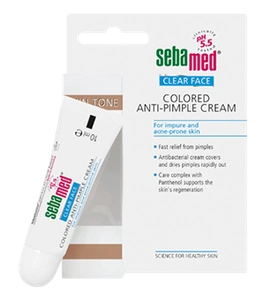
Sebamed Clear Face Colored Anti-pimple Cream
98/100
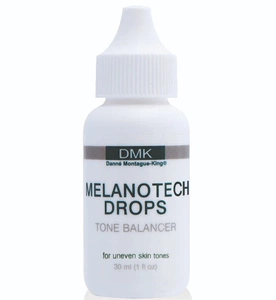
DMK
DMK Melanotech Drops
97/100
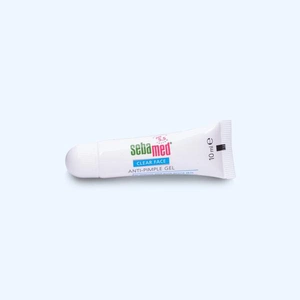
Sebamed
Sebamed Anti-Pimple Gel
97/100
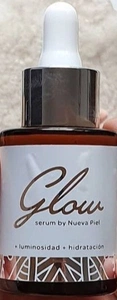
Nueva Piel
Nueva Piel Glow Serum
96/100
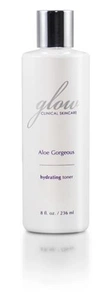
Glow Clinical Skincare
Glow Clinical Skincare Aloe Gorgeous Toner
96/100
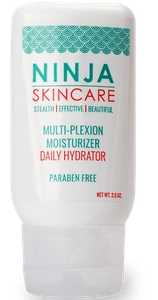
Ninja Skincare
Ninja Skincare Multi-plexion Moisturizer Daily Hydrator
96/100
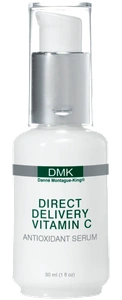
DMK
DMK Direct Delivery Vitamin C Antioxidant Serum
96/100
Related ingredients
См. также
Sources & references
Authoritative references used to score this ingredient.
Frequently asked questions
- Безопасен ли chloroxylenol при беременности?
- No harmonised reproductive classification (no H360/H361) and no authoritative safety bodies (CIR/SCCS) have identified chloroxylenol as a reproductive teratogen; animal studies and regulatory dossiers do not indicate specific developmental/teratogenic effects. Systemic absorption from topical cosmetic use is low but measurable, so exposure during pregnancy is possible but not expected to pose reproductive hazard at normal cosmetic use (sources: ECHA Annex VI/no harmonised repro CLP; PubChem; PubMed/Cosmetic toxicology summaries).
- Безопасен ли chloroxylenol при грудном вскармливании?
- No evidence from authoritative sources of reproductive or lactation-specific toxicity; no harmonised classification for reproductive effects. Given low but measurable dermal absorption, small systemic exposure and potential for transfer into milk cannot be entirely excluded, but there is no data indicating harmful effects to breastfed infants at cosmetic exposures (sources: ECHA dossiers/PubChem; PubMed summaries; CosIng).
- Безопасен ли chloroxylenol для кожи малыша?
- There is no infant-specific evidence of reproductive or developmental toxicity or a recognised mechanism of action for chloroxylenol. However, owing to higher dermal absorption in infants (immature barrier and higher surface-area-to-weight), exposure score is increased by one relative to adults — measurable absorption becomes a moderate exposure concern for 0–3 yr skin when used topically (sources: ECHA dossiers; PubMed on percutaneous absorption; CosIng; EWG noting topical antimicrobial use).
- Как VeriMom оценивает chloroxylenol?
- VeriMom оценивает chloroxylenol в 93/100 (без известных рисков) на основе EU CosIng, классификаций ECHA и исследований PubMed.
- Какие безопасные альтернативы chloroxylenol при беременности?
- См. наш список безопасных альтернатив chloroxylenol с аналогичной функцией и классификацией без известных рисков.
Проверьте свою косметику
Вставьте список ингредиентов любого продукта в наш бесплатный анализатор и посмотрите оценку каждого ингредиента по регуляторным данным ЕС и рецензируемым исследованиям.
Открыть проверку ингредиентов для беременныхПроверь любой состав за 2 секунды
Скачай VeriMom бесплатно — отсканируй любой продукт и мгновенно получи оценку безопасности при беременности.
Медицинская оговорка
Данная информация предоставлена исключительно в образовательных целях и не является медицинской рекомендацией. Оценки безопасности основаны на общедоступных данных и могут не отражать все риски. Всегда консультируйтесь с вашим врачом перед использованием любых средств во время беременности или грудного вскармливания.