 VeriMom
Безопасен ли caprylhydroxamic acid при беременности?
Reviewed by VeriMom Editorial Team · Last reviewed
Ингредиенты
caprylhydroxamic acid
БЕЗ ИЗВЕСТНЫХ РИСКОВ93
/100
0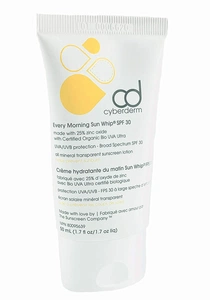
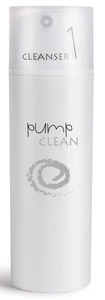
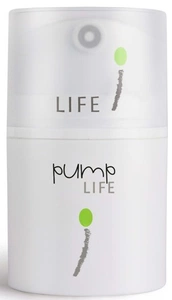
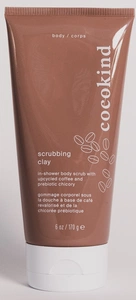
Pregnancy-safe products containing caprylhydroxamic acid
Cyberderm
Cyberderm Every Morning Sun Whip SPF 30
99/100
Visible Ingredients
Visible Ingredients Pump Clean
99/100
Visible Ingredients
Visible Ingredients Pump Life
99/100
cocokind
Cocokind Scrubbing Clay
99/100
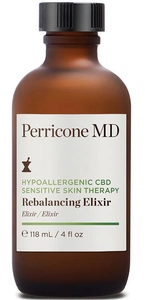
Perricone MD
Perricone MD Hypoallergenic CBD Sensitive Skin Therapy Elixir
99/100
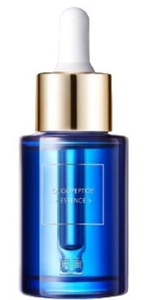
Lucenbase
Lucenbase Oligopeptide Essence
99/100
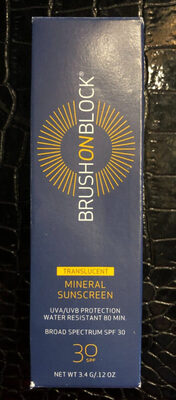
Unknown
Brush on Block
99/100
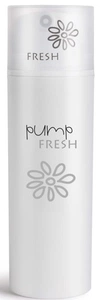
Visible Ingredients
Visible Ingredients Pump Fresh
99/100
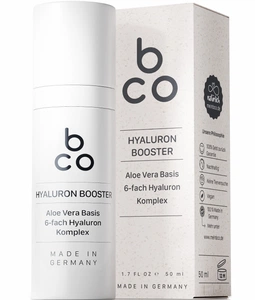
bco
bco HYALURON BOOSTER
99/100
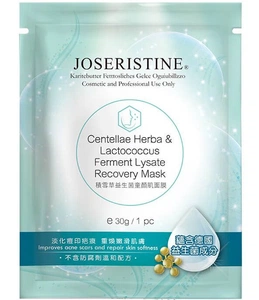
Joseristine
Joseristine Centellae Herba & Lactococcus Ferment Lysate Recovery Mask Box Set
99/100
Related ingredients
См. также
Sources & references
Authoritative references used to score this ingredient.
Frequently asked questions
- Безопасен ли caprylhydroxamic acid при беременности?
- No harmonised CLP classification for reproductive toxicity on ECHA Annex VI, no SCCS or CIR safety assessment addressing reproductive effects, and no peer‑reviewed evidence of developmental or reproductive toxicity for caprylhydroxamic acid (PubMed/COS databases show no relevant repro studies). Dermal cosmetic use implies low but measurable systemic exposure (small molecule), so exposure scored as 1. Sources: ECHA (no harmonised classification), PubChem, CosIng, PubMed (no repro studies found).
- Безопасен ли caprylhydroxamic acid при грудном вскармливании?
- No data indicating reproductive or lactation toxicity, no regulatory flags (ECHA Annex VI, SCCS, CIR). By analogy with pregnancy, topical use may lead to low systemic exposure and potential for transfer to breastmilk is not documented, so exposure scored as 1 (low but measurable). Sources: ECHA, PubChem, CosIng, PubMed (no studies).
- Безопасен ли caprylhydroxamic acid для кожи малыша?
- No evidence of developmental or infant‑specific toxicity; no mechanistic data indicating reproductive/endocrine effects. Because dermal absorption from topical use is plausible (adult exposure scored 1) and infant skin has higher absorption (immature barrier, higher SA:BW), exposure is increased by +1 for babies (resulting in e=2). Sources: ECHA (no harmonised classification), PubChem, CosIng, PubMed (no infant‑specific studies).
- Как VeriMom оценивает caprylhydroxamic acid?
- VeriMom оценивает caprylhydroxamic acid в 93/100 (без известных рисков) на основе EU CosIng, классификаций ECHA и исследований PubMed.
- Какие безопасные альтернативы caprylhydroxamic acid при беременности?
- См. наш список безопасных альтернатив caprylhydroxamic acid с аналогичной функцией и классификацией без известных рисков.
Проверьте свою косметику
Вставьте список ингредиентов любого продукта в наш бесплатный анализатор и посмотрите оценку каждого ингредиента по регуляторным данным ЕС и рецензируемым исследованиям.
Открыть проверку ингредиентов для беременныхПроверь любой состав за 2 секунды
Скачай VeriMom бесплатно — отсканируй любой продукт и мгновенно получи оценку безопасности при беременности.
Медицинская оговорка
Данная информация предоставлена исключительно в образовательных целях и не является медицинской рекомендацией. Оценки безопасности основаны на общедоступных данных и могут не отражать все риски. Всегда консультируйтесь с вашим врачом перед использованием любых средств во время беременности или грудного вскармливания.