 VeriMom
Безопасен ли bioflavonoids при беременности?
Reviewed by VeriMom Editorial Team · Last reviewed
Ингредиенты
bioflavonoids
БЕЗ ИЗВЕСТНЫХ РИСКОВ93
/100
0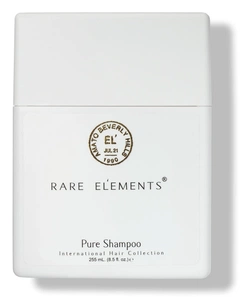
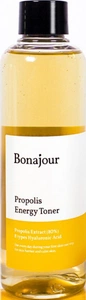
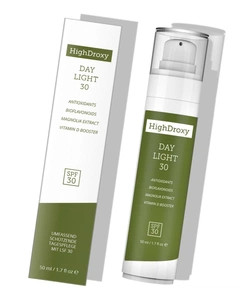
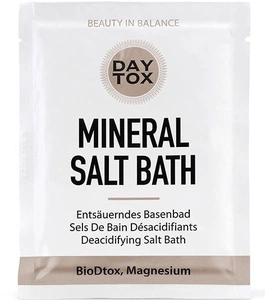
Pregnancy-safe products containing bioflavonoids
RARE EL'EMENTS
RARE EL'EMENTS Pure Shampoo
99/100
BONAJOUR
BONAJOUR Propolis Energy Toner
98/100
HighDroxy
HighDroxy Day Light 30
98/100
Daytox
Daytox Mineral Salt Bath
98/100
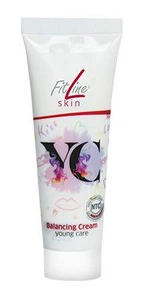
Fitline
Fitline Young Care Balancing Cream
98/100
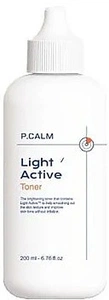
P.Calm
P.Calm Light Active Toner
98/100
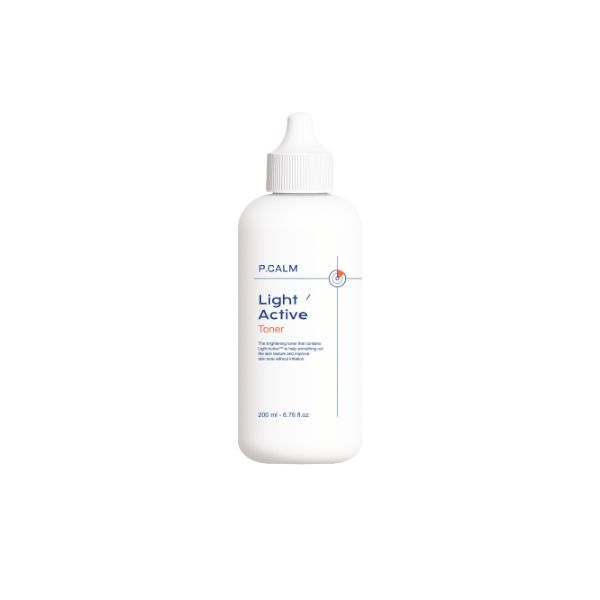
P.CALM Light Active Toner - 200ml
98/100
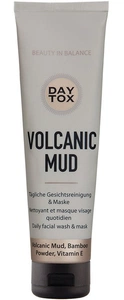
Daytox
Daytox Volcanic Mud
98/100
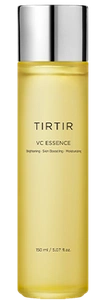
Tir Tir
Tir Tir VC Essence
98/100
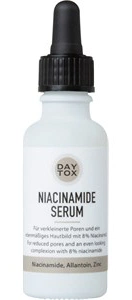
Daytox
Daytox Niacinamide Serum
98/100
Related ingredients
См. также
Sources & references
Authoritative references used to score this ingredient.
Frequently asked questions
- Безопасен ли bioflavonoids при беременности?
- No harmonised CLP classification or SCCS/CIR reproductive hazard was identified for CAS 61788-55-4 (bioflavonoids). The Cosmetic Ingredient Review assessment of citrus-derived ingredients (covers flavonoids from citrus) treats these ingredients as safe as used in cosmetics, and regulatory INCI/COSING listings treat “Bioflavonoids (flavonoids, lemon oil)” as a botanical extract/INCI, not a classified reproductive toxicant. Topical absorption for flavonoid extracts is possible but generally low at cosmetic use concentrations, so exposure from normal topical cosmetic use is low but measurable. ([cir-safety.org](https://www.cir-safety.org/sites/default/files/cfruit122015rep.pdf?utm_source=openai))
- Безопасен ли bioflavonoids при грудном вскармливании?
- No evidence found of a breastfeeding-specific reproductive or lactation hazard for this INCI/CAS. Regulatory reviews (CIR) and COSING list bioflavonoids as cosmetic ingredients without reproductive classification; peer‑reviewed literature on citrus flavonoids (e.g., hesperidin/naringin) mainly reports pharmacologic/antioxidant effects or protective effects in animal models rather than human teratogenicity or lactation toxicity. Topical exposure during breastfeeding would be expected to be low but measurable. ([cir-safety.org](https://www.cir-safety.org/sites/default/files/cfruit122015rep.pdf?utm_source=openai))
- Безопасен ли bioflavonoids для кожи малыша?
- No infant-specific reproductive/toxicological flags or harmonised classifications were identified. Following the requested scoring rules, because adult topical exposure is low but measurable (e=1), infant skin exposure is increased by +1 due to immature barrier and higher surface‑area‑to‑weight, giving e=2. No infant-specific hazard or mechanism data were found to increase h or m. ([cir-safety.org](https://www.cir-safety.org/sites/default/files/cfruit122015rep.pdf?utm_source=openai))
- Как VeriMom оценивает bioflavonoids?
- VeriMom оценивает bioflavonoids в 93/100 (без известных рисков) на основе EU CosIng, классификаций ECHA и исследований PubMed.
- Какие безопасные альтернативы bioflavonoids при беременности?
- См. наш список безопасных альтернатив bioflavonoids с аналогичной функцией и классификацией без известных рисков.
Проверьте свою косметику
Вставьте список ингредиентов любого продукта в наш бесплатный анализатор и посмотрите оценку каждого ингредиента по регуляторным данным ЕС и рецензируемым исследованиям.
Открыть проверку ингредиентов для беременныхПроверь любой состав за 2 секунды
Скачай VeriMom бесплатно — отсканируй любой продукт и мгновенно получи оценку безопасности при беременности.
Медицинская оговорка
Данная информация предоставлена исключительно в образовательных целях и не является медицинской рекомендацией. Оценки безопасности основаны на общедоступных данных и могут не отражать все риски. Всегда консультируйтесь с вашим врачом перед использованием любых средств во время беременности или грудного вскармливания.