 VeriMom
Безопасен ли anhydroxylitol при беременности?
Reviewed by VeriMom Editorial Team · Last reviewed
Ингредиенты
anhydroxylitol
БЕЗ ИЗВЕСТНЫХ РИСКОВ93
/100
0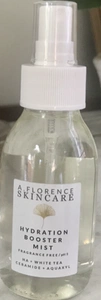
Pregnancy-safe products containing anhydroxylitol
A.Florence Skincare
A.Florence Skincare Hydration Booster Mist
99/100
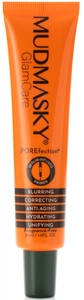
Mudmasky
Mudmasky Porefection Serum Infused Primer
99/100
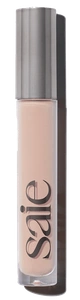
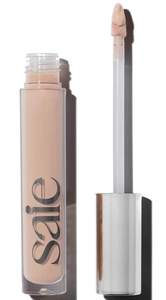
SAIE
SAIE Hydrabeam Concealer
99/100
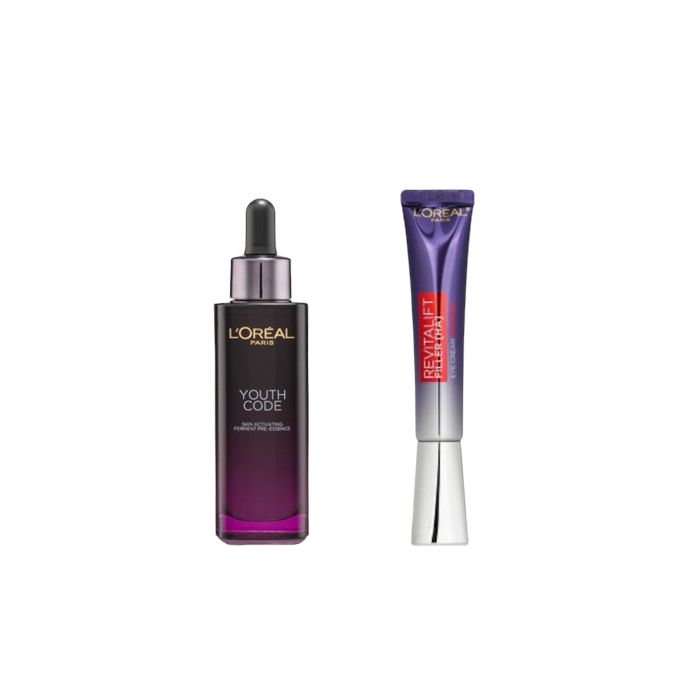
L'OREAL PARIS Revitalift Filler HA Eye Cream For Face - 30ml (1ea) + Youth Code Skin Activating Ferment Pre-Essence Serum - 50ml (1ea) set
99/100
SAIE
SAIE Hydrabeam Brightening + Hydrating Under Eye Concealer
99/100
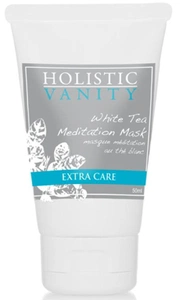
Holistic Vanity
Holistic Vanity White Tea Meditation Mask
99/100
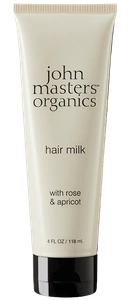
John masters organics
John Masters Organics Hair Milk With Rose & Apricot
99/100
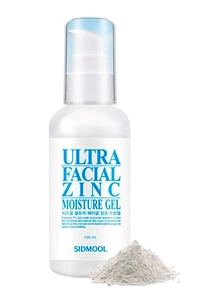
Sidmool
Sidmool Ultra Facial Moisture Zinc Gel
99/100
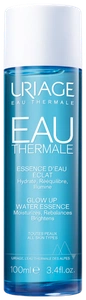
Uriage
Uriage Glow Up Water Essence
98/100
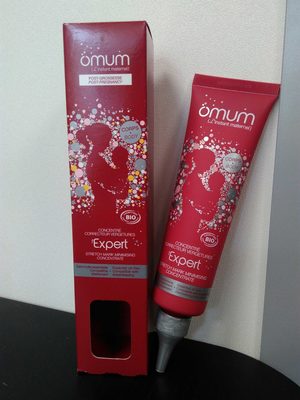
Omum
L'Expert
98/100
Related ingredients
См. также
Sources & references
Authoritative references used to score this ingredient.
Frequently asked questions
- Безопасен ли anhydroxylitol при беременности?
- No harmonised CLP reproductive classifications, no SCCS/SCCP or CIR finding of reproductive hazard for anhydroxylitol; the CIR-class (Saccharide Humectants) safety assessment concluded use up to ~1.5% in cosmetics does not pose unreasonable risk and relied on existing toxicology (no reproductive/developmental signals reported). PubChem/CIR physicochemical data show low logP (≈-1.7) and low molecular weight (≈134 Da) with potential for some dermal absorption, so exposure from topical use is low but measurable. (Sources: CIR Saccharide Humectants safety assessment; PubChem; EWG summary).
- Безопасен ли anhydroxylitol при грудном вскармливании?
- No data indicating reproductive or lactation-specific toxicity or transfer to breastmilk. With no demonstrated reproductive mechanism or animal/human developmental effects in reviewed sources, hazard and mechanism scores remain 0; dermal exposure from cosmetics is low but measurable (same rationale as pregnancy).
- Безопасен ли anhydroxylitol для кожи малыша?
- No infant-specific toxicity or developmental studies were found. CIR assessment and other data showed no reproductive/developmental hazard. Because anhydroxylitol has potential for dermal absorption in adults, infant exposure score is increased by +1 per your rules (immature barrier/higher surface-area-to-weight), giving a moderate exposure rating for 0–3 yr skin; no infant-specific hazard or mechanism evidence was identified.
- Как VeriMom оценивает anhydroxylitol?
- VeriMom оценивает anhydroxylitol в 93/100 (без известных рисков) на основе EU CosIng, классификаций ECHA и исследований PubMed.
- Какие безопасные альтернативы anhydroxylitol при беременности?
- См. наш список безопасных альтернатив anhydroxylitol с аналогичной функцией и классификацией без известных рисков.
Проверьте свою косметику
Вставьте список ингредиентов любого продукта в наш бесплатный анализатор и посмотрите оценку каждого ингредиента по регуляторным данным ЕС и рецензируемым исследованиям.
Открыть проверку ингредиентов для беременныхПроверь любой состав за 2 секунды
Скачай VeriMom бесплатно — отсканируй любой продукт и мгновенно получи оценку безопасности при беременности.
Медицинская оговорка
Данная информация предоставлена исключительно в образовательных целях и не является медицинской рекомендацией. Оценки безопасности основаны на общедоступных данных и могут не отражать все риски. Всегда консультируйтесь с вашим врачом перед использованием любых средств во время беременности или грудного вскармливания.