 VeriMom
Безопасен ли zinc chloride при беременности?
Reviewed by VeriMom Editorial Team · Last reviewed
Ингредиенты
zinc chloride
БЕЗ ИЗВЕСТНЫХ РИСКОВ93
/100
0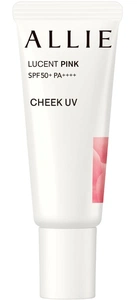
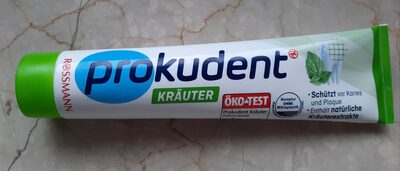
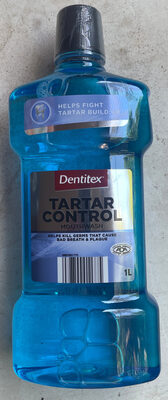
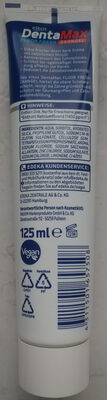
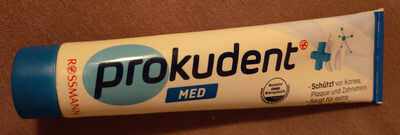
Pregnancy-safe products containing zinc chloride
Allie
Allie Cheek UV SPF 50+ Pa++++ 01 Lucent Pink
99/100
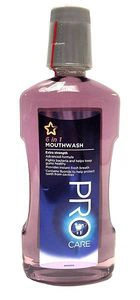
Superdrug Procare
Superdrug Procare 6-In-1 Mouthwash
99/100
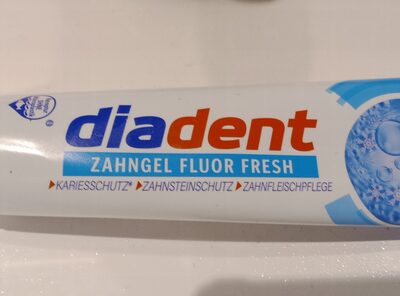
EUCO GmbH
diadent Zahngel Fluor Fresh
99/100
Unknown
Pro formula oral care complete gum health mouthwash antibacterial
99/100
Prokudent
Prokudent Kräuter Zahncreme
98/100
Dentitex
Tartar Control Mouthwash
98/100
Edeka
DentaMax
98/100
Prokudent
Med
98/100
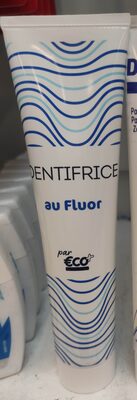
Eco+
Dentifrice au fluor
98/100
exfoliants
Unknown
dent.ask
98/100
Related ingredients
См. также
Sources & references
Authoritative references used to score this ingredient.
Frequently asked questions
- Безопасен ли zinc chloride при беременности?
- No harmonised reproductive classification (H360/H361) for zinc chloride in ECHA Annex VI and no authoritative CIR/SCCS reproductive restriction found; therefore no evidence of reproductive hazard. However zinc chloride is a corrosive salt (H314) and systemic zinc exposure is possible if significant dermal damage or ingestion occurs, so topical cosmetic use would have low but measurable systemic exposure potential only if skin integrity is compromised (ECHA Annex VI, PubChem GHS).
- Безопасен ли zinc chloride при грудном вскармливании?
- No evidence of reproductive or lactation-specific hazard (no H360/H361). Systemic exposure from properly formulated topical use is expected to be low; measurable exposure could occur if corrosive effects lead to increased absorption or if ingestion occurs. No data indicate transfer via breastmilk from typical topical exposure.
- Безопасен ли zinc chloride для кожи малыша?
- No evidence of reproductive hazard specific to infants. However, zinc chloride is classified as skin corrosive (H314) in ECHA Annex VI — it can cause severe skin burns and eye damage; infants (0–3 yr) have a more permeable skin barrier and higher surface-area-to-weight ratio, so exposure potential is increased (adult exposure score 1 → baby +1 = 2). Therefore topical use on infant skin is not appropriate due to corrosivity rather than reproductive toxicity.
- Как VeriMom оценивает zinc chloride?
- VeriMom оценивает zinc chloride в 93/100 (без известных рисков) на основе EU CosIng, классификаций ECHA и исследований PubMed.
- Какие безопасные альтернативы zinc chloride при беременности?
- См. наш список безопасных альтернатив zinc chloride с аналогичной функцией и классификацией без известных рисков.
Проверьте свою косметику
Вставьте список ингредиентов любого продукта в наш бесплатный анализатор и посмотрите оценку каждого ингредиента по регуляторным данным ЕС и рецензируемым исследованиям.
Открыть проверку ингредиентов для беременныхПроверь любой состав за 2 секунды
Скачай VeriMom бесплатно — отсканируй любой продукт и мгновенно получи оценку безопасности при беременности.
Медицинская оговорка
Данная информация предоставлена исключительно в образовательных целях и не является медицинской рекомендацией. Оценки безопасности основаны на общедоступных данных и могут не отражать все риски. Всегда консультируйтесь с вашим врачом перед использованием любых средств во время беременности или грудного вскармливания.