 VeriMom
Безопасен ли polypropylene при беременности?
Reviewed by VeriMom Editorial Team · Last reviewed
Ингредиенты
polypropylene
БЕЗ ИЗВЕСТНЫХ РИСКОВ100
/100
0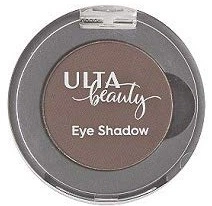
Pregnancy-safe products containing polypropylene
uncategorized
Tek
Escova Dental Tek Macia
100/100
ULTA Beauty
ULTA Beauty Single Eyeshadow - Cold Brew
100/100
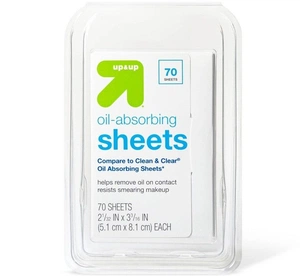
up and up
up and up Oil Absorbing Sheets 70ct
100/100
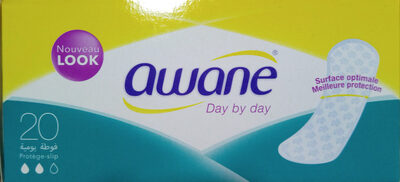
Awane
Awane Day by day
100/100
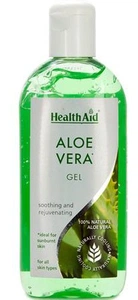
Health Aid
Health Aid Aloe Vera Gel
100/100
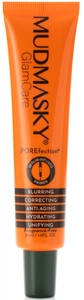
Mudmasky
Mudmasky Porefection Serum Infused Primer
99/100
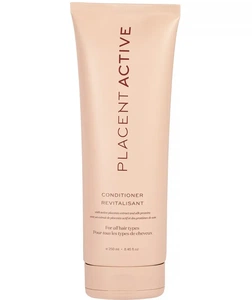
Placent Activ
Placent Activ Conditioner Revitalisant
98/100
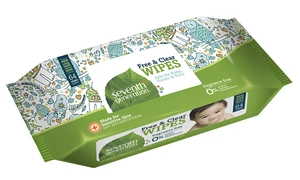
Seventh Generation
Seventh generation Free And Clear Wipes
98/100
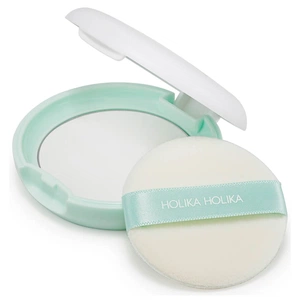
Holika Holika
Holika Holika Puri Pore No Sebum Pact
98/100
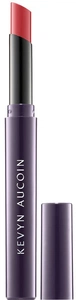
Kevyn Aucoin
Kevyn Aucoin Unforgettable Matte Lipstick
98/100
Related ingredients
См. также
Sources & references
Authoritative references used to score this ingredient.
Frequently asked questions
- Безопасен ли polypropylene при беременности?
- No harmonised CLP reproductive classification for polypropylene (CAS 9003-07-0) is listed on ECHA and available safety data sheets / registries report no reproductive-toxicity classification or data indicating developmental hazard; polypropylene is an inert high‑molecular‑weight polyolefin with very low bioavailability after topical contact. Sources: ECHA substance information and supplier SDSs reporting "classification criteria not met" for reproductive toxicity. ([echa.europa.eu](https://echa.europa.eu/substance-information/-/substanceinfo/100.117.813?utm_source=openai))
- Безопасен ли polypropylene при грудном вскармливании?
- No evidence found of reproductive or lactation-specific hazard, no mechanistic data supporting transfer into milk, and no harmonised/clp flags or CIR/SCCS opinions indicating concern. Polypropylene is a large, inert polymer not expected to be systemically bioavailable from topical cosmetic use. ([echa.europa.eu](https://echa.europa.eu/substance-information/-/substanceinfo/100.117.813?utm_source=openai))
- Безопасен ли polypropylene для кожи малыша?
- Hazard and mechanism: no infant‑specific reproductive/toxic evidence found (h=0, m=0). Exposure: for baby skin I increase exposure to e=1 because infant skin has higher surface‑area‑to‑weight and an immature barrier; however polypropylene itself is a high‑MW inert polymer with negligible dermal absorption in adults so absorption is expected to be minimal. No infant‑specific absorption or toxicity studies were identified. ([echa.europa.eu](https://echa.europa.eu/substance-information/-/substanceinfo/100.117.813?utm_source=openai))
- Как VeriMom оценивает polypropylene?
- VeriMom оценивает polypropylene в 100/100 (без известных рисков) на основе EU CosIng, классификаций ECHA и исследований PubMed.
- Какие безопасные альтернативы polypropylene при беременности?
- См. наш список безопасных альтернатив polypropylene с аналогичной функцией и классификацией без известных рисков.
Проверьте свою косметику
Вставьте список ингредиентов любого продукта в наш бесплатный анализатор и посмотрите оценку каждого ингредиента по регуляторным данным ЕС и рецензируемым исследованиям.
Открыть проверку ингредиентов для беременныхПроверь любой состав за 2 секунды
Скачай VeriMom бесплатно — отсканируй любой продукт и мгновенно получи оценку безопасности при беременности.
Медицинская оговорка
Данная информация предоставлена исключительно в образовательных целях и не является медицинской рекомендацией. Оценки безопасности основаны на общедоступных данных и могут не отражать все риски. Всегда консультируйтесь с вашим врачом перед использованием любых средств во время беременности или грудного вскармливания.