 VeriMom
Безопасен ли phthalimidoperoxycaproic acid при беременности?
No harmonised reproductive or developmental classification (ECHA Annex VI lists H242, H318, H400 for 6-(phthalimido)peroxyhexanoic acid; no H360/H361). No CIR or SCCS reproductive safety concerns located. Dermal/systemic reproductive data are lacking, but the substance is a small peroxy acid with potential for low but measurable dermal exposure in cosmetic use (see PubChem/CosIng entries for physicochemical context).
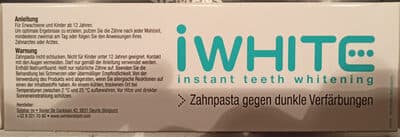
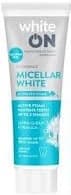
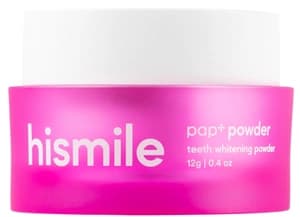
Pregnancy-safe products containing phthalimidoperoxycaproic acid
Related ingredients
Frequently asked questions
- Безопасен ли phthalimidoperoxycaproic acid при беременности?
- No harmonised reproductive or developmental classification (ECHA Annex VI lists H242, H318, H400 for 6-(phthalimido)peroxyhexanoic acid; no H360/H361). No CIR or SCCS reproductive safety concerns located. Dermal/systemic reproductive data are lacking, but the substance is a small peroxy acid with potential for low but measurable dermal exposure in cosmetic use (see PubChem/CosIng entries for physicochemical context).
- Безопасен ли phthalimidoperoxycaproic acid при грудном вскармливании?
- Same rationale as pregnancy: no reproductive/breastfeeding-specific hazard classifications or data (ECHA Annex VI). There is no evidence of transfer into breastmilk in available regulatory summaries; systemic absorption from topical use is expected to be low but not proven negligible.
- Безопасен ли phthalimidoperoxycaproic acid для кожи малыша?
- Hazard and mechanism scores remain 0 because no reproductive/developmental evidence was identified. Exposure score increased by +1 relative to adults because infant skin has higher surface-area-to-weight and an immature barrier, so low/moderate dermal absorption that might be negligible in adults becomes more relevant for 0–3 yr olds. Note: the substance is an oxidizing peroxy acid and has harmonised eye/skin serious damage classification (H318) which supports caution for direct skin use on infants (ECHA Annex VI).
- Как VeriMom оценивает phthalimidoperoxycaproic acid?
- VeriMom оценивает phthalimidoperoxycaproic acid в 93/100 (без известных рисков) на основе EU CosIng, классификаций ECHA и исследований PubMed.
- Какие безопасные альтернативы phthalimidoperoxycaproic acid при беременности?
- См. наш список безопасных альтернатив phthalimidoperoxycaproic acid с аналогичной функцией и классификацией без известных рисков.
Проверь любой состав за 2 секунды
Скачай VeriMom бесплатно — отсканируй любой продукт и мгновенно получи оценку безопасности при беременности.
Медицинская оговорка
Данная информация предоставлена исключительно в образовательных целях и не является медицинской рекомендацией. Оценки безопасности основаны на общедоступных данных и могут не отражать все риски. Всегда консультируйтесь с вашим врачом перед использованием любых средств во время беременности или грудного вскармливания.