 VeriMom
Безопасен ли ethyl acetate при беременности?
Reviewed by VeriMom Editorial Team · Last reviewed
Ингредиенты
ethyl acetate
БЕЗ ИЗВЕСТНЫХ РИСКОВ93
/100
0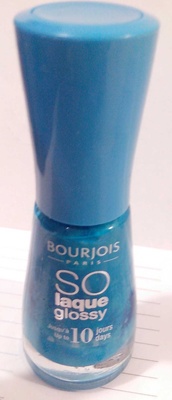
Pregnancy-safe products containing ethyl acetate
Bourjois
So laque glossy - 10 succès azuré
99/100
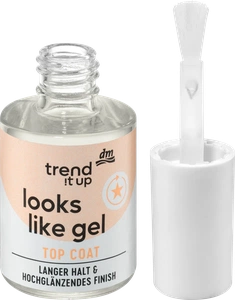
trend it up
trend IT UP Looks Like Gel Top Coat
99/100
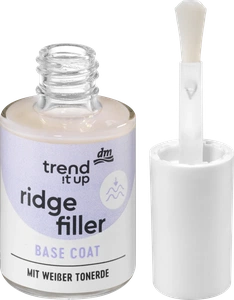
trend it up
trend IT UP Ridge Filler Base Coat
99/100
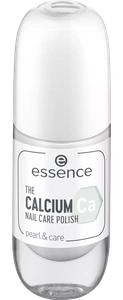
Essence
Essence The Calcium Nail Care Polish
99/100
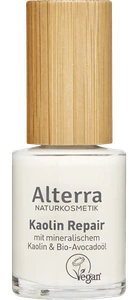
Alterra
Alterra Kaolin Repair Nail Polish
99/100
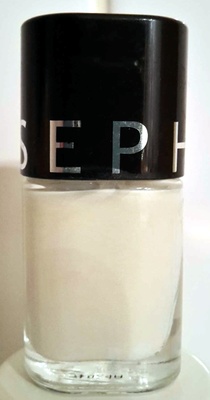
Sephora
Vernis à ongles
99/100
Reinex GmbH & Co. KG
Nagellack
99/100
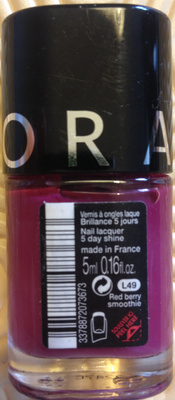
Sephora
Vernis à ongles Brillance 5 jours L49
99/100
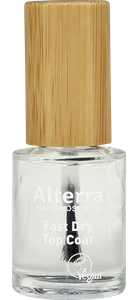
Alterra
Alterra Fast Dry Top Coat
99/100
IDUN Minerals
Nail Polish Remover
99/100
Related ingredients
См. также
Sources & references
Authoritative references used to score this ingredient.
Frequently asked questions
- Безопасен ли ethyl acetate при беременности?
- No harmonised reproductive classifications for ethyl acetate (ECHA Annex VI lists H225, H336, H319 only). There is no convincing animal or human evidence of reproductive or teratogenic effects in the regulatory literature. Dermal/inhalation exposures from cosmetic use can lead to low but measurable systemic exposure, so exposure score is 1 (low but measurable). Sources: ECHA Annex VI harmonised CLP (H225, H336, H319), PubChem, ECHA registration dossiers.
- Безопасен ли ethyl acetate при грудном вскармливании?
- No evidence or regulatory classification indicating reproductive or lactation hazard. Systemic absorption from cosmetic use is low but possible, so small amounts could theoretically reach circulation; however there is no data indicating transfer into breast milk or risk to nursing infants. Sources: ECHA Annex VI, PubChem, ECHA dossiers.
- Безопасен ли ethyl acetate для кожи малыша?
- No evidence of reproductive or developmental toxicity specific to infants. However, infant skin has higher surface-area-to-weight and a less mature barrier, and ethyl acetate is a solvent/defatting agent and known irritant (ECHA classification H319 for eye irritation; dermal irritation/defatting potential is reported in material safety/regulatory sources). Therefore exposure score is increased by +1 compared with adults (adult e=1 → baby e=2). Caution recommended for leave-on products on infants; avoid repetitive/high-coverage exposures. Sources: ECHA Annex VI (H225, H336, H319), PubChem, ECHA dossiers.
- Как VeriMom оценивает ethyl acetate?
- VeriMom оценивает ethyl acetate в 93/100 (без известных рисков) на основе EU CosIng, классификаций ECHA и исследований PubMed.
- Какие безопасные альтернативы ethyl acetate при беременности?
- См. наш список безопасных альтернатив ethyl acetate с аналогичной функцией и классификацией без известных рисков.
Проверьте свою косметику
Вставьте список ингредиентов любого продукта в наш бесплатный анализатор и посмотрите оценку каждого ингредиента по регуляторным данным ЕС и рецензируемым исследованиям.
Открыть проверку ингредиентов для беременныхПроверь любой состав за 2 секунды
Скачай VeriMom бесплатно — отсканируй любой продукт и мгновенно получи оценку безопасности при беременности.
Медицинская оговорка
Данная информация предоставлена исключительно в образовательных целях и не является медицинской рекомендацией. Оценки безопасности основаны на общедоступных данных и могут не отражать все риски. Всегда консультируйтесь с вашим врачом перед использованием любых средств во время беременности или грудного вскармливания.