 VeriMom
Безопасен ли distearyldimonium chloride при беременности?
Reviewed by VeriMom Editorial Team · Last reviewed
Ингредиенты
distearyldimonium chloride
БЕЗ ИЗВЕСТНЫХ РИСКОВ93
/100
0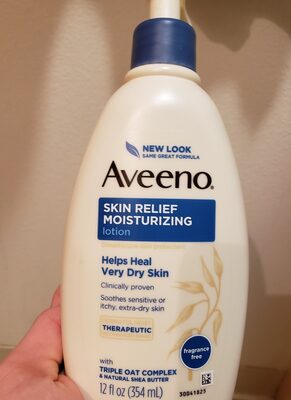

Pregnancy-safe products containing distearyldimonium chloride
Unknown
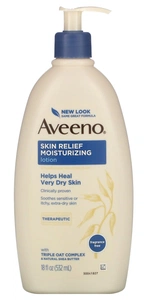
Aveeno Skin relief moisturizing lotion
98/100
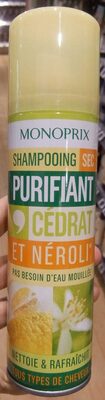
Monoprix
Shampoing sec
98/100
Balea
Balea Trocken Shampoo
98/100
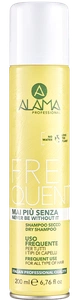
Alama professional
Alama Professional Frequent Dry Shampoo
98/100
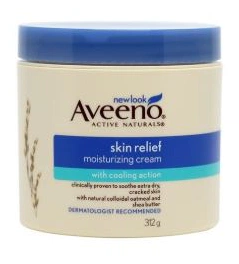
Aveeno
Aveeno Skin Relief Moisturizing Cream With Cooling Action
98/100
uncategorized
Unknown
johnsons
98/100
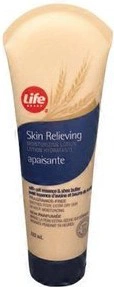
Life Brand
Life Brand Skin Relieving Moisturizing Lotion
98/100
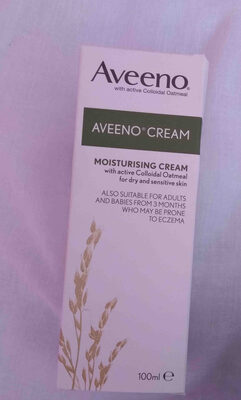
Aveeno
Aveeno Skin Relief Lotion
98/100
Batiste
Batiste Naturally Dry Shampoo
98/100
Unknown
Aveeno
98/100
Related ingredients
См. также
Sources & references
Authoritative references used to score this ingredient.
Frequently asked questions
- Безопасен ли distearyldimonium chloride при беременности?
- No harmonised reproductive classification (no H360/H361) for distearyldimonium chloride; ECHA classifications on record for this substance relate to severe eye damage (H318) and aquatic toxicity (H400, H410) rather than reproductive toxicity (ECHA Annex VI). No authoritative CIR or SCCS reproductive restriction was identified in the provided regulatory context. Dermal systemic absorption of quaternary ammonium salts is generally low, so systemic exposure from typical topical cosmetic use is expected to be low (e=1). Sources checked: ECHA Annex VI, ECHA H-codes, PubChem, CosIng, CIR, PubMed, EWG.
- Безопасен ли distearyldimonium chloride при грудном вскармливании?
- No evidence or harmonised classification indicating reproductive or lactation hazards. Given low expected dermal absorption of quaternary ammonium compounds, systemic exposure and transfer into breastmilk would be low for typical topical use (e=1). No specific breastfeeding studies were identified in the provided sources.
- Безопасен ли distearyldimonium chloride для кожи малыша?
- No infant-specific reproductive/toxicological classification found. However, because infant (0–3 y) skin has higher permeability and higher surface‑area‑to‑body‑weight ratio, exposure score is increased by +1 versus adult (adult e=1 → infant e=2). Additionally, the main regulatory flags for this chemical relate to eye damage and environmental toxicity rather than systemic developmental toxicity (ECHA Annex VI).
- Как VeriMom оценивает distearyldimonium chloride?
- VeriMom оценивает distearyldimonium chloride в 93/100 (без известных рисков) на основе EU CosIng, классификаций ECHA и исследований PubMed.
- Какие безопасные альтернативы distearyldimonium chloride при беременности?
- См. наш список безопасных альтернатив distearyldimonium chloride с аналогичной функцией и классификацией без известных рисков.
Проверь любой состав за 2 секунды
Скачай VeriMom бесплатно — отсканируй любой продукт и мгновенно получи оценку безопасности при беременности.
Медицинская оговорка
Данная информация предоставлена исключительно в образовательных целях и не является медицинской рекомендацией. Оценки безопасности основаны на общедоступных данных и могут не отражать все риски. Всегда консультируйтесь с вашим врачом перед использованием любых средств во время беременности или грудного вскармливания.