 VeriMom
Безопасен ли dihydroxyacetone при беременности?
Reviewed by VeriMom Editorial Team · Last reviewed
Ингредиенты
dihydroxyacetone
БЕЗ ИЗВЕСТНЫХ РИСКОВ93
/100
0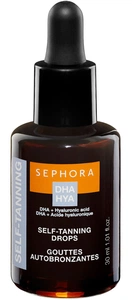
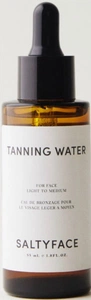
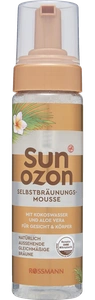
Pregnancy-safe products containing dihydroxyacetone
SEPHORA COLLECTION
SEPHORA COLLECTION Self Tanning Drops
99/100
Luna Bronze
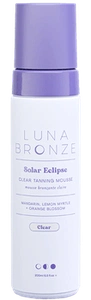
Luna Bronze Solar Eclipse Clear Tanning Mousse
99/100
Lirene
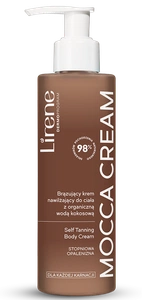
Lirene Perfect Tan Self Tanning Body Cream Mocca Cream
98/100
Salty Face
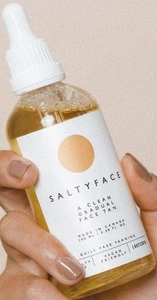
Salty Face Gradual Face Tan
98/100
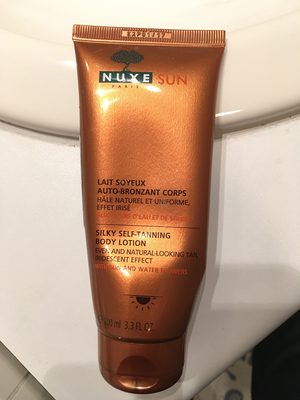
Nuxe
Lait soyeux auto-bronzant corps
98/100
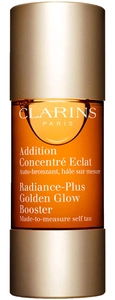
Clarins
Clarins Radiance-Plus Golden Glow Booster For Face
98/100
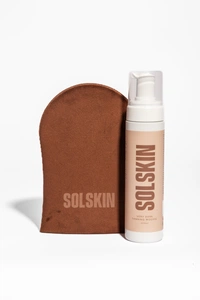
Solskin
Solskin Tanning Mousse
98/100
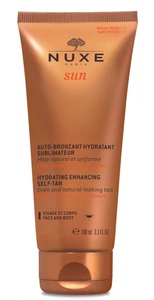
Nuxe
Nuxe Sun Hydrating Enhancing Self Tan
98/100
Salty Face
Salty Face Tanning Water
98/100
Sun Ozon
Sun Ozon Selbstbräunungs-Mousse
98/100
Related ingredients
См. также
Sources & references
Authoritative references used to score this ingredient.
Frequently asked questions
- Безопасен ли dihydroxyacetone при беременности?
- SCCS (final opinion, Mar 4, 2020) concluded DHA is safe for cosmetic leave‑on use up to 6.25% (hair) and up to 10% (self‑tanning/face creams), with no reproductive/pregnancy hazard identified. Published reviews note topical use gives minimal systemic uptake (~0.5%), so systemic exposure in pregnancy is low but measurable. ([health.ec.europa.eu](https://health.ec.europa.eu/publications/dihydroxyacetone-dha-13-dihydroxy-2-propanone-cas-no-96-26-4_en))
- Безопасен ли dihydroxyacetone при грудном вскармливании?
- No authoritative classification or evidence of reproductive or lactation hazard; SCCS assessed cosmetic safety and did not flag breastfeeding/lactation risks. Dermal use produces low but measurable systemic levels, so exposure via milk is theoretically possible but not documented. ([health.ec.europa.eu](https://health.ec.europa.eu/publications/dihydroxyacetone-dha-13-dihydroxy-2-propanone-cas-no-96-26-4_en))
- Безопасен ли dihydroxyacetone для кожи малыша?
- No infant‑specific developmental or dermal toxicity data were identified and authoritative reviews (SCCS) did not flag child/infant hazards. Because DHA has measurable dermal absorption in adults (low), baby skin exposure is increased (immature barrier, higher SA:BW), so exposure score is increased by +1 relative to adults. No evidence found to increase hazard or mechanism scores. ([health.ec.europa.eu](https://health.ec.europa.eu/publications/dihydroxyacetone-dha-13-dihydroxy-2-propanone-cas-no-96-26-4_en))
- Как VeriMom оценивает dihydroxyacetone?
- VeriMom оценивает dihydroxyacetone в 93/100 (без известных рисков) на основе EU CosIng, классификаций ECHA и исследований PubMed.
- Какие безопасные альтернативы dihydroxyacetone при беременности?
- См. наш список безопасных альтернатив dihydroxyacetone с аналогичной функцией и классификацией без известных рисков.
Проверьте свою косметику
Вставьте список ингредиентов любого продукта в наш бесплатный анализатор и посмотрите оценку каждого ингредиента по регуляторным данным ЕС и рецензируемым исследованиям.
Открыть проверку ингредиентов для беременныхПроверь любой состав за 2 секунды
Скачай VeriMom бесплатно — отсканируй любой продукт и мгновенно получи оценку безопасности при беременности.
Медицинская оговорка
Данная информация предоставлена исключительно в образовательных целях и не является медицинской рекомендацией. Оценки безопасности основаны на общедоступных данных и могут не отражать все риски. Всегда консультируйтесь с вашим врачом перед использованием любых средств во время беременности или грудного вскармливания.