 VeriMom
Стоит ли избегать lithium carbonate при беременности? | VeriMom
Reviewed by VeriMom Editorial Team · Last reviewed
ECHA regulatory hazard statements
- •H360
- •H362
What to use instead
Pregnancy-safe ingredients that serve a similar function:
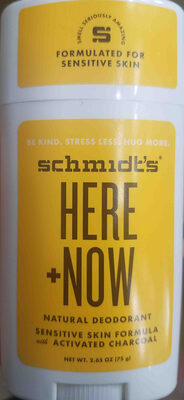
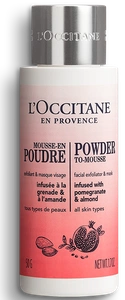
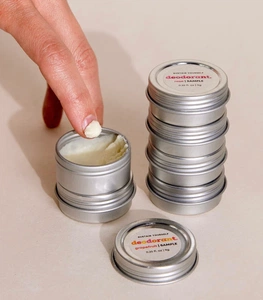
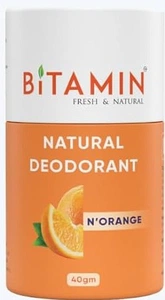
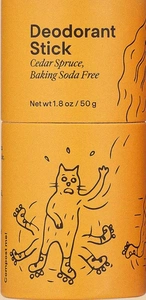
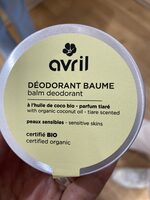
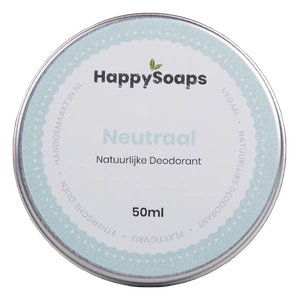
Pregnancy-safe products to use instead
Products built around the safer ingredients above, scored "no known risks" or "low risk".
Sources & references
Authoritative references used to score this ingredient.
Безопасные альтернативы lithium carbonate при беременности | VeriMom
Ингредиенты — Ингредиенты
См. также
FAQ
- Безопасен ли lithium carbonate при беременности?
- ECHA’s Risk Assessment Committee adopted an opinion classifying lithium carbonate (CAS 554-13-2) as Reproductive Toxicity Category 1A (H360; effect on fertility/foetus) with effects via lactation (H362), which is harmonised-level evidence of reproductive/developmental hazard; clinical and animal literature also document placental transfer and neonatal/fetal effects for systemic (medicinal) lithium exposure. For topical cosmetic use systemic exposure is expected to be negligible (see ECHA registration dossier dermal absorption statement). (Sources: ECHA RAC CLH opinion; ECHA registration dossier; PubMed reviews/studies).
- Безопасен ли lithium carbonate при грудном вскармливании?
- ECHA’s adopted opinion includes H362 (dangerous for or via breast‑feeding), and clinical data on medicinal lithium show lithium is excreted in human milk and can produce neonatal toxicity—supporting a high hazard (h=3) and demonstrated mechanism (m=2). For topical cosmetic applications, dermal absorption is considered very poor so direct exposure via cosmetic use is expected to be negligible, though systemic exposure from medicinal use is well documented. (Sources: ECHA RAC CLH opinion; ECHA registration dossier; product/labeling and clinical literature on lithium in breast milk).
- Безопасен ли lithium carbonate для кожи малыша?
- Hazard and mechanism are driven by harmonised CLH (Repr.1A H360FD) and clinical/animal evidence of placental transfer and milk excretion—these apply to infants (h=3, m=2). Exposure (e) for topical cosmetic use is judged low/negligible in adults (ECHA: dermal absorption very poor), but infant skin has higher uptake potential so exposure is increased by +1 to e=1 as a precaution for 0–3‑year skin when the ingredient is present in topical products. There is no evidence that cosmetic-grade topical use produces systemic infant exposure, but the harmonised classification leads to conservative scoring for infant contexts. (Sources: ECHA RAC CLH opinion; ECHA registration dossier; PubMed clinical/animal studies).
- Как VeriMom оценивает lithium carbonate?
- VeriMom оценивает lithium carbonate в 27/100 (высокий риск) на основе EU CosIng, классификаций ECHA и исследований PubMed.
- Какие безопасные альтернативы lithium carbonate при беременности?
- См. наш список безопасных альтернатив lithium carbonate с аналогичной функцией и классификацией без известных рисков.
Проверьте свою косметику
Вставьте список ингредиентов любого продукта в наш бесплатный анализатор и посмотрите оценку каждого ингредиента по регуляторным данным ЕС и рецензируемым исследованиям.
Открыть проверку ингредиентов для беременныхПроверь любой состав за 2 секунды
Скачай VeriMom бесплатно — отсканируй любой продукт и мгновенно получи оценку безопасности при беременности.
Медицинская оговорка
Данная информация предоставлена исключительно в образовательных целях и не является медицинской рекомендацией. Оценки безопасности основаны на общедоступных данных и могут не отражать все риски. Всегда консультируйтесь с вашим врачом перед использованием любых средств во время беременности или грудного вскармливания.