 VeriMom
tasmannia lanceolata leaf extract est-il sûr pendant la grossesse ?
Reviewed by VeriMom Editorial Team · Last reviewed
Ingrédients
tasmannia lanceolata leaf extract
PAS DE RISQUES CONNUS100
/100
0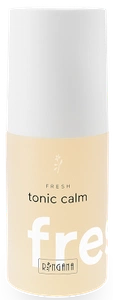
Pregnancy-safe products containing tasmannia lanceolata leaf extract
Ringana
Ringana Fresh Tonic Calm
99/100
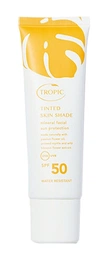
Tropic skincare
Tropic skincare Skin Shade Tinted Facial Sun Cream
99/100
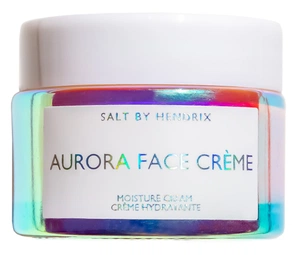
Salt By Hendrix
Salt By Hendrix Aurora Face Crème
98/100
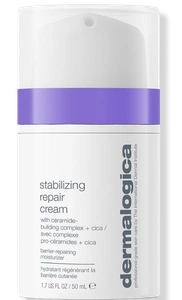
Dermalogica
Dermalogica Stabilizing Repair Cream
98/100
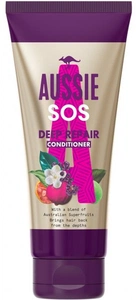
Aussie
Aussie SOS Deep Repair Conditioner
97/100
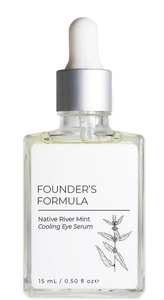
Founder's Formula
Founder's Formula Australian Native River Mint Cooling Eye Serum
97/100
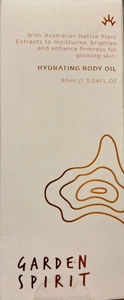
Garden Spirit
Garden Spirit Hydrating Body Oil
96/100
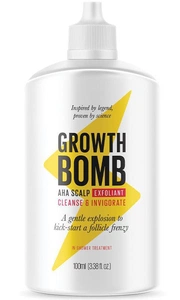
Growth Bomb
Growth Bomb AHA Scalp Exfoliant
84/100
Skin rocks
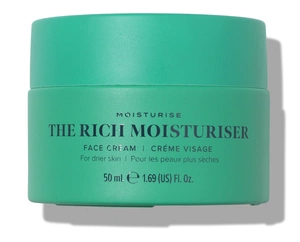
Skin rocks The Rich Moisturiser
83/100
Mor Skincare
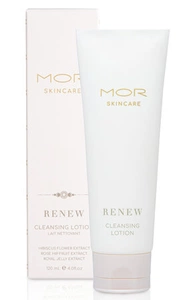
Mor Skincare Renew Cleansing Lotion
83/100
Related ingredients
À voir aussi
Sources & references
Authoritative references used to score this ingredient.
Frequently asked questions
- tasmannia lanceolata leaf extract est-il sûr pendant la grossesse ?
- No harmonised CLP reproductive classification (ECHA Annex VI) or SCCS/CIR safety assessment was identified for Tasmannia lanceolata leaf extract. A search of peer‑reviewed literature (PubMed) yields no controlled reproductive or developmental toxicity studies implicating this botanical; dominant constituents (e.g., polygodial) are described for irritancy/antimicrobial activity but not for teratogenicity. Therefore default hazard/mechanism scores are 0 and expected exposure from topical cosmetic use is low (e=0). Sources: ECHA Annex VI (no harmonised CLP entry), PubMed, CosIng, PubChem.
- tasmannia lanceolata leaf extract est-il sûr pendant l'allaitement ?
- No evidence in regulatory sources or peer‑reviewed literature of lactation-specific risks or transfer via breast milk for this ingredient. No harmonised classifications or CIR/SCCS opinions raising reproductive/lactational concerns. Topical cosmetic exposure is expected to be low for mother (e=0). Sources: PubMed, CosIng, ECHA Annex VI.
- tasmannia lanceolata leaf extract est-il sûr pour la peau de bébé ?
- No infant‑specific reproductive or developmental toxicity data found. Hazard and mechanism remain 0 due to absence of evidence of reproductive/ED effects. Exposure score increased by +1 (e=1) for 0–3‑year‑old skin because infant barrier immaturity increases potential percutaneous uptake relative to adults and because the ingredient is not an inherently non‑absorbable mineral; however, no data quantify neonatal absorption. Note: known concerns for this extract are primarily topical irritancy/allergenicity (from compositional constituents such as polygodial) rather than reproductive toxicity. Sources: PubMed, CosIng, EWG.
- Comment VeriMom évalue-t-il tasmannia lanceolata leaf extract ?
- VeriMom évalue tasmannia lanceolata leaf extract à 100/100 (pas de risques connus) sur la base du statut EU CosIng, des classifications ECHA et des études PubMed.
- Quelles sont les alternatives sûres à tasmannia lanceolata leaf extract pendant la grossesse ?
- Consultez notre liste d'alternatives sûres à tasmannia lanceolata leaf extract basée sur une fonction similaire et une classification sans risques connus.
Vérifiez chaque étiquette en 2 secondes
Obtenez VeriMom gratuitement — scannez n'importe quel produit et voyez le score de sécurité grossesse instantanément.
Avis Médical
Ces informations sont fournies à titre éducatif uniquement et ne constituent pas un avis médical. Les scores de sécurité sont basés sur des données accessibles au public et peuvent ne pas refléter tous les risques. Consultez toujours votre professionnel de santé avant d'utiliser tout produit pendant la grossesse ou l'allaitement.