 VeriMom
lauryl alcohol diphosphonic acid est-il sûr pendant la grossesse ?
Harmonised CLP (ECHA Annex VI) lists H314 (skin corrosion) and aquatic hazards (H400, H410) for (1‑hydroxydodecylidene)diphosphonic acid (CAS 16610‑63‑2) but does not include any reproductive or developmental hazard classification (no H360/H361). No SCCS/CIR reproductive warnings were identified in the provided regulatory information. Therefore there is no evidence of reproductive hazard (h=0). Mechanistic reproductive concerns are not documented (m=0). Because the substance is a corrosive phosphonic acid, topical application could cause local skin damage which can increase potential for systemic exposure compared with an inert non‑absorbable powder; in the absence of dermal absorption data a precautionary low but measurable exposure rating is given (e=1).
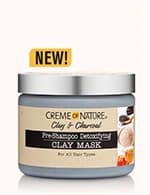
Pregnancy-safe products containing lauryl alcohol diphosphonic acid




Related ingredients
Frequently asked questions
- lauryl alcohol diphosphonic acid est-il sûr pendant la grossesse ?
- Harmonised CLP (ECHA Annex VI) lists H314 (skin corrosion) and aquatic hazards (H400, H410) for (1‑hydroxydodecylidene)diphosphonic acid (CAS 16610‑63‑2) but does not include any reproductive or developmental hazard classification (no H360/H361). No SCCS/CIR reproductive warnings were identified in the provided regulatory information. Therefore there is no evidence of reproductive hazard (h=0). Mechanistic reproductive concerns are not documented (m=0). Because the substance is a corrosive phosphonic acid, topical application could cause local skin damage which can increase potential for systemic exposure compared with an inert non‑absorbable powder; in the absence of dermal absorption data a precautionary low but measurable exposure rating is given (e=1).
- lauryl alcohol diphosphonic acid est-il sûr pendant l'allaitement ?
- Same rationale as for pregnancy: no harmonised reproductive classification or published reproductive toxicity indicated in the provided regulatory data (h=0) and no known reproductive mechanism (m=0). Potential for some systemic uptake after corrosive skin damage leads to a low but measurable exposure score (e=1); no data on milk transfer were available.
- lauryl alcohol diphosphonic acid est-il sûr pour la peau de bébé ?
- Hazard (h=0) and mechanism (m=0) scores remain driven by absence of reproductive/developmental classification. Exposure is increased by +1 for infants per instructions because immature barrier and higher surface‑area‑to‑weight raise the likelihood of systemic uptake when topical absorption is possible; given the parent compound is corrosive, infant skin exposure is of greater concern so e=2. Separately, the H314 corrosive classification indicates the ingredient can cause severe local skin injury and therefore is undesirable for use on baby (0–3 yr) skin even if systemic reproductive risks are not identified.
- Comment VeriMom évalue-t-il lauryl alcohol diphosphonic acid ?
- VeriMom évalue lauryl alcohol diphosphonic acid à 93/100 (pas de risques connus) sur la base du statut EU CosIng, des classifications ECHA et des études PubMed.
- Quelles sont les alternatives sûres à lauryl alcohol diphosphonic acid pendant la grossesse ?
- Consultez notre liste d'alternatives sûres à lauryl alcohol diphosphonic acid basée sur une fonction similaire et une classification sans risques connus.
Vérifiez chaque étiquette en 2 secondes
Obtenez VeriMom gratuitement — scannez n'importe quel produit et voyez le score de sécurité grossesse instantanément.
Avis Médical
Ces informations sont fournies à titre éducatif uniquement et ne constituent pas un avis médical. Les scores de sécurité sont basés sur des données accessibles au public et peuvent ne pas refléter tous les risques. Consultez toujours votre professionnel de santé avant d'utiliser tout produit pendant la grossesse ou l'allaitement.