 VeriMom
hydrogenated styrene/methylstyrene/indene copolymer est-il sûr pendant la grossesse ?
No harmonised CLP reproductive classification or SCCS/CIR safety assessment found for this specific hydrogenated copolymer (CosIng/PubChem list as cosmetic polymer). The only concern is theoretical/class‑based due to parent monomers (styrene/indene) which have toxicology at sufficient exposures; no animal or human reproductive data for the hydrogenated polymer itself were identified. Expected negligible dermal absorption for a high‑MW hydrogenated polymer used topically, so exposure is minimal (sources: CosIng listing, PubChem; no ECHA Annex VI harmonised classification).
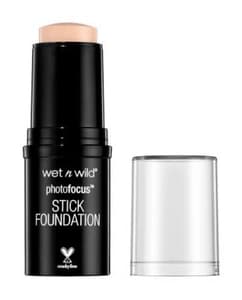
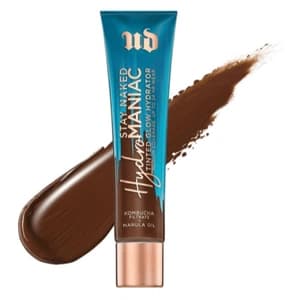
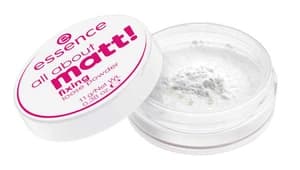
Pregnancy-safe products containing hydrogenated styrene/methylstyrene/indene copolymer





Related ingredients
Frequently asked questions
- hydrogenated styrene/methylstyrene/indene copolymer est-il sûr pendant la grossesse ?
- No harmonised CLP reproductive classification or SCCS/CIR safety assessment found for this specific hydrogenated copolymer (CosIng/PubChem list as cosmetic polymer). The only concern is theoretical/class‑based due to parent monomers (styrene/indene) which have toxicology at sufficient exposures; no animal or human reproductive data for the hydrogenated polymer itself were identified. Expected negligible dermal absorption for a high‑MW hydrogenated polymer used topically, so exposure is minimal (sources: CosIng listing, PubChem; no ECHA Annex VI harmonised classification).
- hydrogenated styrene/methylstyrene/indene copolymer est-il sûr pendant l'allaitement ?
- Same rationale as pregnancy: no specific data showing transfer in milk or reproductive organ toxicity for the polymer. Theoretical concern is from residual low‑molecular monomer content rather than the polymer itself; no evidence of lactation transfer for the intact polymer and dermal absorption is expected to be negligible.
- hydrogenated styrene/methylstyrene/indene copolymer est-il sûr pour la peau de bébé ?
- Hazard/mechanistic scores remain theoretical only (parent monomer concern). Exposure score increased by +1 for infants because baby skin has higher permeability; although the polymer itself is high‑MW and poorly absorbed, immature barrier means low but measurable exposure to any non‑fully bound residual monomers is plausible. No infant‑specific toxicity data were identified.
- Comment VeriMom évalue-t-il hydrogenated styrene/methylstyrene/indene copolymer ?
- VeriMom évalue hydrogenated styrene/methylstyrene/indene copolymer à 73/100 (risque faible) sur la base du statut EU CosIng, des classifications ECHA et des études PubMed.
- Quelles sont les alternatives sûres à hydrogenated styrene/methylstyrene/indene copolymer pendant la grossesse ?
- Consultez notre liste d'alternatives sûres à hydrogenated styrene/methylstyrene/indene copolymer basée sur une fonction similaire et une classification sans risques connus.
Vérifiez chaque étiquette en 2 secondes
Obtenez VeriMom gratuitement — scannez n'importe quel produit et voyez le score de sécurité grossesse instantanément.
Avis Médical
Ces informations sont fournies à titre éducatif uniquement et ne constituent pas un avis médical. Les scores de sécurité sont basés sur des données accessibles au public et peuvent ne pas refléter tous les risques. Consultez toujours votre professionnel de santé avant d'utiliser tout produit pendant la grossesse ou l'allaitement.