 VeriMom
distearoylethyl dimonium chloride est-il sûr pendant la grossesse ?
Reviewed by VeriMom Editorial Team · Last reviewed
Ingrédients
distearoylethyl dimonium chloride
PAS DE RISQUES CONNUS100
/100
0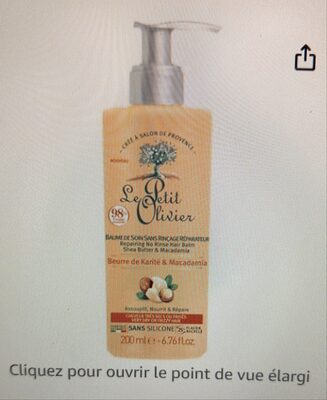
Pregnancy-safe products containing distearoylethyl dimonium chloride
Le Petit Olivier
Le petit olivier baume cheveux
100/100
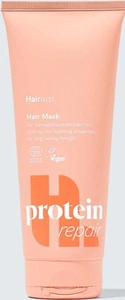
Hairlust
Hairlust Protein Repair™ Hair Mask
99/100
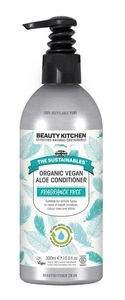
Beauty Kitchen
Beauty Kitchen Aloe Conditioner
99/100
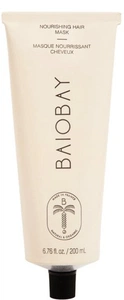
Baiobay
Baiobay Nourishing Hair Mask
99/100
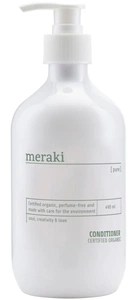
meraki
Meraki Pure Conditioner
99/100
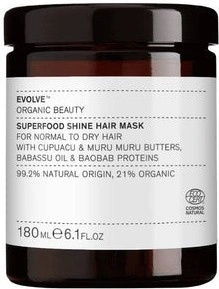
Evolve Organic Beauty
Evolve Organic Beauty Superfood Shine Hair Mask
99/100
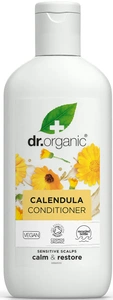
dr.Organic
Dr Organic Calendula Conditioner
99/100
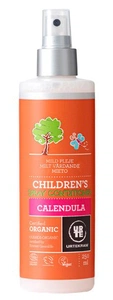
Urtekram
Urtekram Balsam Spray Til Børn
99/100
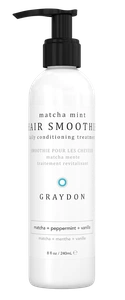
Graydon
Graydon Matcha Mint Hair Smoothie
99/100
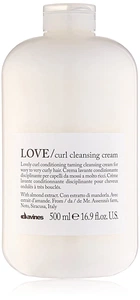
Davines
Davines Love Curl Cleansing Cream
98/100
Related ingredients
À voir aussi
Sources & references
Authoritative references used to score this ingredient.
Frequently asked questions
- distearoylethyl dimonium chloride est-il sûr pendant la grossesse ?
- No harmonised CLP reproductive classification (ECHA Annex VI) or SCCS/CIR reproductive restriction was found for distearoylethyl dimonium chloride; cosmetic-safety sources (CosIng/CIR listing) and PubChem do not report developmental or reproductive toxicity. No peer-reviewed human teratogenicity or animal reproductive studies indicating hazard were identified (PubMed searches yield no reproductive signals).
- distearoylethyl dimonium chloride est-il sûr pendant l'allaitement ?
- No evidence of reproductive or lactation-specific toxicity or harmonised hazard classification (ECHA Annex VI, CIR, PubChem). Given its high molecular weight and cationic surfactant nature (esterquat), dermal absorption from typical cosmetic use is expected to be low, so systemic exposure via breastmilk is unlikely based on available databases.
- distearoylethyl dimonium chloride est-il sûr pour la peau de bébé ?
- No infant-specific reproductive or developmental hazards identified (h=0). Mechanistic evidence for reproductive activity is absent (m=0). Exposure score increased by +1 (to e=1) relative to adults because baby skin (0–3 yr) has a less mature barrier and greater surface-area-to-weight, so measurable percutaneous absorption is more plausible even for ingredients generally considered to have low dermal uptake (CosIng, PubChem, EWG note low hazard but do not rule out absorption).
- Comment VeriMom évalue-t-il distearoylethyl dimonium chloride ?
- VeriMom évalue distearoylethyl dimonium chloride à 100/100 (pas de risques connus) sur la base du statut EU CosIng, des classifications ECHA et des études PubMed.
- Quelles sont les alternatives sûres à distearoylethyl dimonium chloride pendant la grossesse ?
- Consultez notre liste d'alternatives sûres à distearoylethyl dimonium chloride basée sur une fonction similaire et une classification sans risques connus.
Vérifiez chaque étiquette en 2 secondes
Obtenez VeriMom gratuitement — scannez n'importe quel produit et voyez le score de sécurité grossesse instantanément.
Avis Médical
Ces informations sont fournies à titre éducatif uniquement et ne constituent pas un avis médical. Les scores de sécurité sont basés sur des données accessibles au public et peuvent ne pas refléter tous les risques. Consultez toujours votre professionnel de santé avant d'utiliser tout produit pendant la grossesse ou l'allaitement.