 VeriMom
bioflavonoids est-il sûr pendant la grossesse ?
Reviewed by VeriMom Editorial Team · Last reviewed
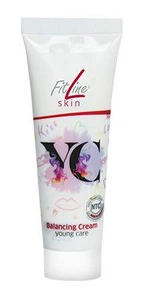
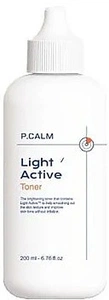
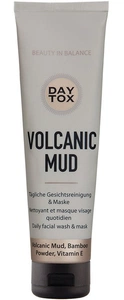
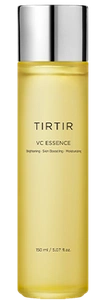
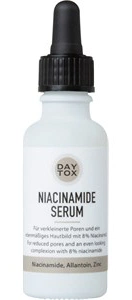
Pregnancy-safe products containing bioflavonoids
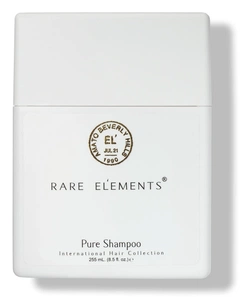
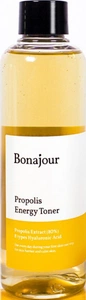
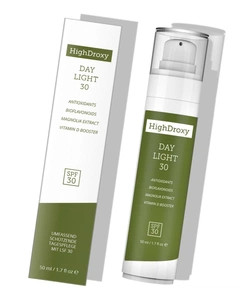
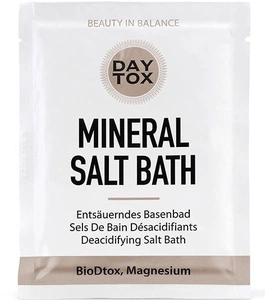
Related ingredients
À voir aussi
Sources & references
Authoritative references used to score this ingredient.
Frequently asked questions
- bioflavonoids est-il sûr pendant la grossesse ?
- No harmonised CLP classification or SCCS/CIR reproductive hazard was identified for CAS 61788-55-4 (bioflavonoids). The Cosmetic Ingredient Review assessment of citrus-derived ingredients (covers flavonoids from citrus) treats these ingredients as safe as used in cosmetics, and regulatory INCI/COSING listings treat “Bioflavonoids (flavonoids, lemon oil)” as a botanical extract/INCI, not a classified reproductive toxicant. Topical absorption for flavonoid extracts is possible but generally low at cosmetic use concentrations, so exposure from normal topical cosmetic use is low but measurable. ([cir-safety.org](https://www.cir-safety.org/sites/default/files/cfruit122015rep.pdf?utm_source=openai))
- bioflavonoids est-il sûr pendant l'allaitement ?
- No evidence found of a breastfeeding-specific reproductive or lactation hazard for this INCI/CAS. Regulatory reviews (CIR) and COSING list bioflavonoids as cosmetic ingredients without reproductive classification; peer‑reviewed literature on citrus flavonoids (e.g., hesperidin/naringin) mainly reports pharmacologic/antioxidant effects or protective effects in animal models rather than human teratogenicity or lactation toxicity. Topical exposure during breastfeeding would be expected to be low but measurable. ([cir-safety.org](https://www.cir-safety.org/sites/default/files/cfruit122015rep.pdf?utm_source=openai))
- bioflavonoids est-il sûr pour la peau de bébé ?
- No infant-specific reproductive/toxicological flags or harmonised classifications were identified. Following the requested scoring rules, because adult topical exposure is low but measurable (e=1), infant skin exposure is increased by +1 due to immature barrier and higher surface‑area‑to‑weight, giving e=2. No infant-specific hazard or mechanism data were found to increase h or m. ([cir-safety.org](https://www.cir-safety.org/sites/default/files/cfruit122015rep.pdf?utm_source=openai))
- Comment VeriMom évalue-t-il bioflavonoids ?
- VeriMom évalue bioflavonoids à 93/100 (pas de risques connus) sur la base du statut EU CosIng, des classifications ECHA et des études PubMed.
- Quelles sont les alternatives sûres à bioflavonoids pendant la grossesse ?
- Consultez notre liste d'alternatives sûres à bioflavonoids basée sur une fonction similaire et une classification sans risques connus.
Vérifiez vos propres cosmétiques
Collez la liste d'ingrédients de n'importe quel produit dans notre vérificateur gratuit et voyez chaque ingrédient évalué selon les données réglementaires de l'UE et des recherches évaluées par des pairs.
Ouvrir le vérificateur d'ingrédients sûrs pendant la grossesseVérifiez chaque étiquette en 2 secondes
Obtenez VeriMom gratuitement — scannez n'importe quel produit et voyez le score de sécurité grossesse instantanément.
Avis Médical
Ces informations sont fournies à titre éducatif uniquement et ne constituent pas un avis médical. Les scores de sécurité sont basés sur des données accessibles au public et peuvent ne pas refléter tous les risques. Consultez toujours votre professionnel de santé avant d'utiliser tout produit pendant la grossesse ou l'allaitement.