 VeriMom
Dois-je éviter laevo-rose oxide pendant la grossesse ? | VeriMom
Reviewed by VeriMom Editorial Team · Last reviewed
ECHA regulatory hazard statements
- •H361
What to use instead
Pregnancy-safe ingredients that serve a similar function:
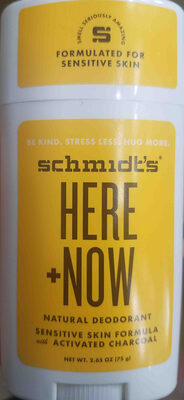
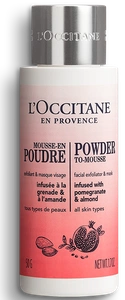
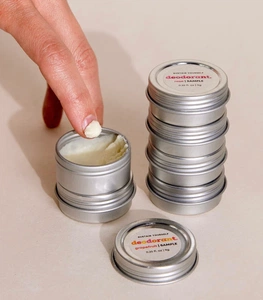
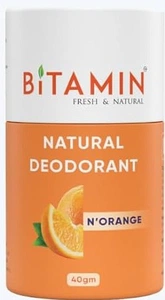
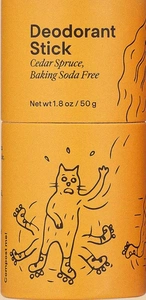
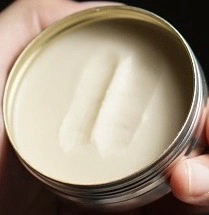
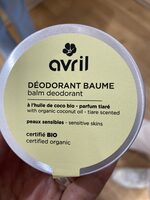
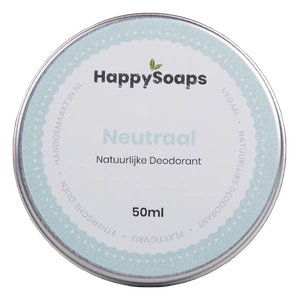
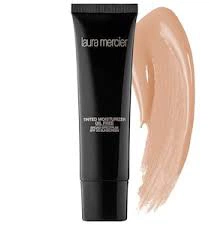
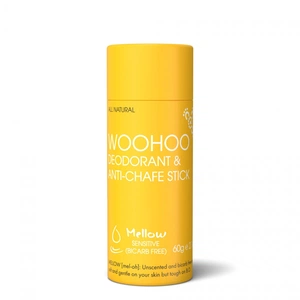
Pregnancy-safe products to use instead
Products built around the safer ingredients above, scored "no known risks" or "low risk".
Sources & references
Authoritative references used to score this ingredient.
Alternatives sûres à laevo-rose oxide pendant la grossesse | VeriMom
Ingrédients — Ingrédients
À voir aussi
FAQ
- laevo-rose oxide est-il sûr pendant la grossesse ?
- ECHA/industry sources and multiple product SDS list H361 (‘Suspected of damaging fertility or the unborn child’) for laevo‑(cis) rose oxide (CAS 3033‑23‑6), and ECHA registration dossiers report repeat‑dose studies noting testicular effects in rats (NOAELs cited in registrant summaries). This supports a suspected reproductive hazard (H361 → h=2). Systemic mechanism is supported by animal reproductive/toxicology findings (demonstrated effects in rodents), so m=2; dermal/topical cosmetic exposure is likely low but measurable, so e=1. Sources: ECHA registration/dossier summaries and product SDS (BASF/Axxence) and a recent review/biomonitoring summary noting animal testis effects.
- laevo-rose oxide est-il sûr pendant l'allaitement ?
- Same hazard basis as for pregnancy (H361 reported by ECHA/SDS and animal data). Because route is systemic (possible placental/testicular effects in animals) there is potential for maternal systemic exposure after dermal absorption; however topical cosmetic use gives low but measurable systemic exposure so e=1. There are no human breastfeeding transfer data identified.
- laevo-rose oxide est-il sûr pour la peau de bébé ?
- Hazard and mechanism retain the same weight (H361 / animal reproductive effects). Exposure (e) is increased for infants: where adult dermal e=1, immature infant skin and higher surface‑area‑to‑weight justify +1 → e=2. No infant‑specific safety data were found; caution advised for leave‑on products applied to infants.
- Comment VeriMom évalue-t-il laevo-rose oxide ?
- VeriMom évalue laevo-rose oxide à 20/100 (risque élevé) sur la base du statut EU CosIng, des classifications ECHA et des études PubMed.
- Quelles sont les alternatives sûres à laevo-rose oxide pendant la grossesse ?
- Consultez notre liste d'alternatives sûres à laevo-rose oxide basée sur une fonction similaire et une classification sans risques connus.
Vérifiez vos propres cosmétiques
Collez la liste d'ingrédients de n'importe quel produit dans notre vérificateur gratuit et voyez chaque ingrédient évalué selon les données réglementaires de l'UE et des recherches évaluées par des pairs.
Ouvrir le vérificateur d'ingrédients sûrs pendant la grossesseVérifiez chaque étiquette en 2 secondes
Obtenez VeriMom gratuitement — scannez n'importe quel produit et voyez le score de sécurité grossesse instantanément.
Avis Médical
Ces informations sont fournies à titre éducatif uniquement et ne constituent pas un avis médical. Les scores de sécurité sont basés sur des données accessibles au public et peuvent ne pas refléter tous les risques. Consultez toujours votre professionnel de santé avant d'utiliser tout produit pendant la grossesse ou l'allaitement.