 VeriMom
Dois-je éviter ethinylestradiol pendant la grossesse ? | VeriMom
Reviewed by VeriMom Editorial Team · Last reviewed
ECHA regulatory hazard statements
- •H360
- •H361
What to use instead
Pregnancy-safe ingredients that serve a similar function:
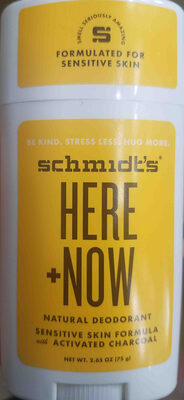
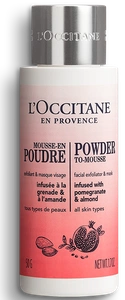
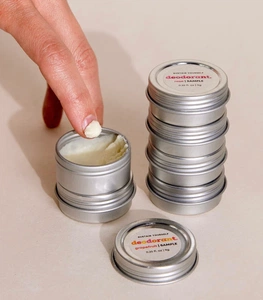
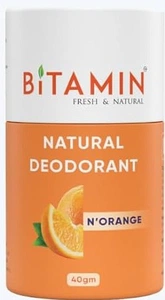
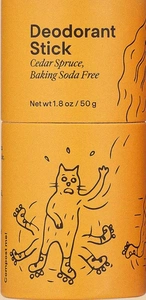
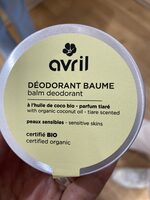
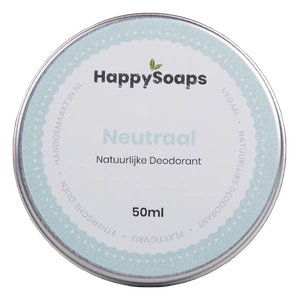
Pregnancy-safe products to use instead
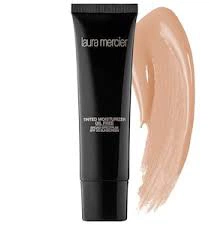
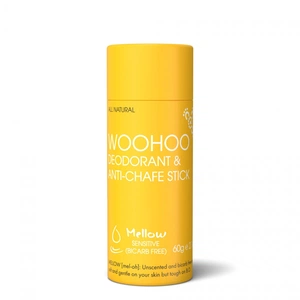
Products built around the safer ingredients above, scored "no known risks" or "low risk".
Sources & references
Authoritative references used to score this ingredient.
Alternatives sûres à ethinylestradiol pendant la grossesse | VeriMom
Ingrédients — Ingrédients
À voir aussi
FAQ
- ethinylestradiol est-il sûr pendant la grossesse ?
- Ethinylestradiol (CAS 57-63-6) has a harmonised CLP classification as Repr. 1B (H360—may damage fertility or the unborn child) per ECHA, which meets the criterion for h=3. It is a potent synthetic estrogen with demonstrated estrogen receptor agonism and animal data showing adverse effects on fetal growth/survival, supporting m=2. For topical cosmetic use, systemic exposure from a cosmetic formulation would be negligible/very low, so e=0 (noting ethinylestradiol is primarily used as an oral/vaginal pharmaceutical rather than a cosmetic). ([echa.europa.eu](https://echa.europa.eu/brief-profile/-/briefprofile/100.014.129?utm_source=openai))
- ethinylestradiol est-il sûr pendant l'allaitement ?
- Harmonised classification H360 (Repr. 1B) equally flags lactation-related reproductive hazard (h=3). Mechanistically, ethinylestradiol is an estrogen receptor agonist with demonstrated endocrine activity (m=2). Human studies indicate transfer into breast milk is negligible with low‑dose combined hormonal contraceptives, so exposure via milk from typical systemic use is low but measurable (e=1); for topical cosmetic use systemic uptake would be expected to be very low. ([echa.europa.eu](https://echa.europa.eu/brief-profile/-/briefprofile/100.014.129?utm_source=openai))
- ethinylestradiol est-il sûr pour la peau de bébé ?
- Hazard (H360 Repr. 1B) remains (h=3). Mechanistic evidence of estrogenic activity supports m=2. For topical cosmetic use adult dermal exposure is expected to be negligible (adult e=0); per the scoring rules, baby skin exposure is increased by +1 (e=1) because infant skin is more permeable — although ethinylestradiol is not a typical cosmetic ingredient and meaningful topical cosmetic exposure is unlikely. Animal studies show prenatal/placental effects but no infant‑specific dermal data were found. ([echa.europa.eu](https://echa.europa.eu/brief-profile/-/briefprofile/100.014.129?utm_source=openai))
- Comment VeriMom évalue-t-il ethinylestradiol ?
- VeriMom évalue ethinylestradiol à 27/100 (risque élevé) sur la base du statut EU CosIng, des classifications ECHA et des études PubMed.
- Quelles sont les alternatives sûres à ethinylestradiol pendant la grossesse ?
- Consultez notre liste d'alternatives sûres à ethinylestradiol basée sur une fonction similaire et une classification sans risques connus.
Vérifiez vos propres cosmétiques
Collez la liste d'ingrédients de n'importe quel produit dans notre vérificateur gratuit et voyez chaque ingrédient évalué selon les données réglementaires de l'UE et des recherches évaluées par des pairs.
Ouvrir le vérificateur d'ingrédients sûrs pendant la grossesseVérifiez chaque étiquette en 2 secondes
Obtenez VeriMom gratuitement — scannez n'importe quel produit et voyez le score de sécurité grossesse instantanément.
Avis Médical
Ces informations sont fournies à titre éducatif uniquement et ne constituent pas un avis médical. Les scores de sécurité sont basés sur des données accessibles au public et peuvent ne pas refléter tous les risques. Consultez toujours votre professionnel de santé avant d'utiliser tout produit pendant la grossesse ou l'allaitement.