 VeriMom
HIGH RISK
Dois-je éviter c9-10 aromatic hydrocarbons pendant la grossesse ? | VeriMom
Reviewed by VeriMom Editorial Team · Last reviewed
ECHA regulatory hazard statements
- •H350
What to use instead
Pregnancy-safe ingredients that serve a similar function:
Pregnancy-safe products to use instead
Products built around the safer ingredients above, scored "no known risks" or "low risk".
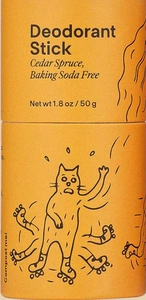
Mew mew tweet
100Mew mew tweet Cedar Spruce Baking Soda Free
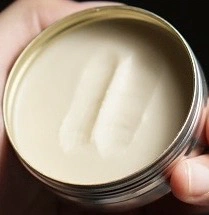
Avero
100Avero Solid Deodorant
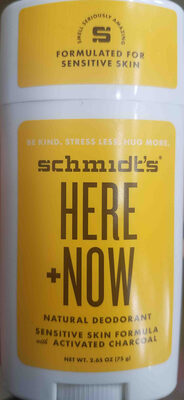
Unknown
100schmidts here now
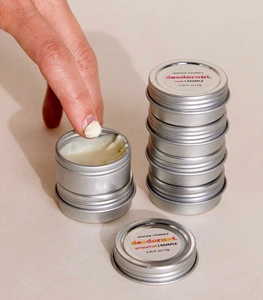
Sustain Yourself
100Sustain Yourself Natural Deodorant
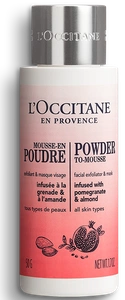
L'Occitane
100L´Occitane Powder To-mousse Facial Exfoliator
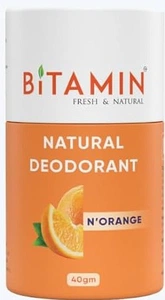
Bitamin
100Bitamin Natural Deodorant N'orange
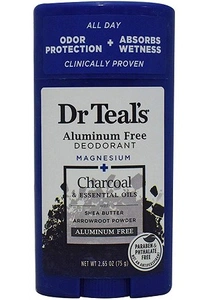
Dr Teals's
99Dr Teals's Aluminum Free Deodorant Charcoal
900care
99Déodorant stick parfum embruns
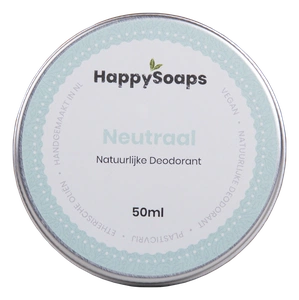
HappySoaps
99Happysoaps Neutraal
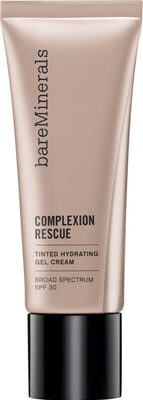
bareMinerals
99Complexion Rescue Tinted Hydrating Gel Cream Broad Spectrum SPF 30
Sources & references
Authoritative references used to score this ingredient.
Alternatives sûres à c9-10 aromatic hydrocarbons pendant la grossesse | VeriMom
Ingrédients — Ingrédients
À voir aussi
FAQ
- c9-10 aromatic hydrocarbons est-il sûr pendant la grossesse ?
- ECHA has a harmonised classification for solvent naphtha (petroleum), light aromatic (C9‑10 aromatic hydrocarbons, CAS 64742‑95‑6) listing H350 (may cause cancer) and H340 (may cause genetic defects), which mandates treating it as a Category 1 CMR for purposes of hazard scoring (h=3). The harmonised CLP listing is authoritative and legally binding in the EU. Topical exposure from cosmetics is not zero; these are lipophilic aromatic solvents with measurable dermal absorption potential so exposure from typical topical use is low but measurable (e=1). Sources: ECHA substance & brief profile and CLP Annex VI listings. (ECHA).
- c9-10 aromatic hydrocarbons est-il sûr pendant l'allaitement ?
- Same harmonised CMR classification (H350/H340) applies irrespective of lactation; therefore hazard is scored h=3. There is no specific, high‑quality evidence of a reproductive mechanism (e.g. confirmed placental transfer specifically causing developmental effects for this mixture), so mechanism is scored as theoretical/indirect (m=1). Dermal exposure while breastfeeding is low but measurable (e=1).
- c9-10 aromatic hydrocarbons est-il sûr pour la peau de bébé ?
- Because the substance has a harmonised Category 1 CMR classification (H350/H340), hazard for infants is scored h=3 (harmonised CMR overrides other considerations). Mechanistic evidence for reproductive‑specific action is not well characterized (m=1). Exposure score is increased by +1 for infant skin (adult e=1 → infant e=2) due to higher skin absorption and surface‑area‑to‑weight ratio in 0–3 year olds; literature and consumer‑safety summaries note enhanced skin uptake and occupational exposure concerns for aromatic solvent naphthas.
- Comment VeriMom évalue-t-il c9-10 aromatic hydrocarbons ?
- VeriMom évalue c9-10 aromatic hydrocarbons à 27/100 (risque élevé) sur la base du statut EU CosIng, des classifications ECHA et des études PubMed.
- Quelles sont les alternatives sûres à c9-10 aromatic hydrocarbons pendant la grossesse ?
- Consultez notre liste d'alternatives sûres à c9-10 aromatic hydrocarbons basée sur une fonction similaire et une classification sans risques connus.
Vérifiez chaque étiquette en 2 secondes
Obtenez VeriMom gratuitement — scannez n'importe quel produit et voyez le score de sécurité grossesse instantanément.
Avis Médical
Ces informations sont fournies à titre éducatif uniquement et ne constituent pas un avis médical. Les scores de sécurité sont basés sur des données accessibles au public et peuvent ne pas refléter tous les risques. Consultez toujours votre professionnel de santé avant d'utiliser tout produit pendant la grossesse ou l'allaitement.