 VeriMom
¿Es zinc chloride seguro durante el embarazo?
Reviewed by VeriMom Editorial Team · Last reviewed
Ingredientes
zinc chloride
SIN RIESGOS CONOCIDOS93
/100
0
Pregnancy-safe products containing zinc chloride
Unknown
Pro formula oral care complete gum health mouthwash antibacterial
99/100
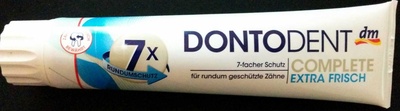
Dondotent
Complete Extra Frisch
99/100
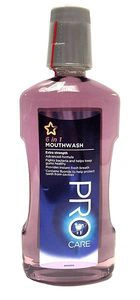
Superdrug Procare
Superdrug Procare 6-In-1 Mouthwash
99/100
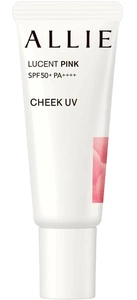
Allie
Allie Cheek UV SPF 50+ Pa++++ 01 Lucent Pink
99/100
EUCO GmbH
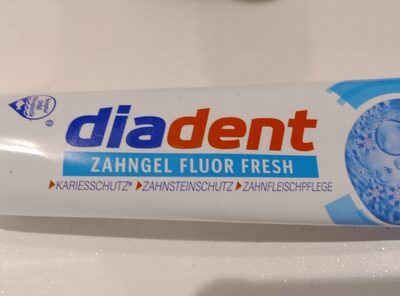
diadent Zahngel Fluor Fresh
99/100
Dentitex
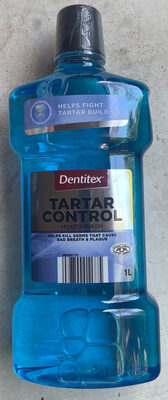
Tartar Control Mouthwash
98/100
Prokudent
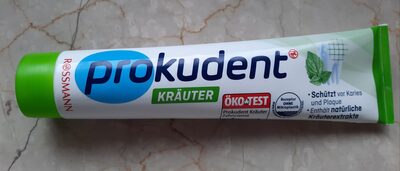
Prokudent Kräuter Zahncreme
98/100
Aquafresh
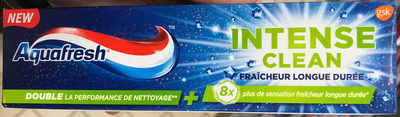
Intense Clean
98/100
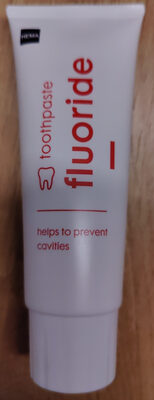
Hema
Toothpaste Fluoride
98/100
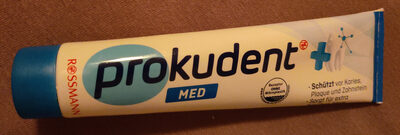
Prokudent
Med
98/100
Related ingredients
Ver también
Sources & references
Authoritative references used to score this ingredient.
Frequently asked questions
- ¿Es zinc chloride seguro durante el embarazo?
- No harmonised reproductive classification (H360/H361) for zinc chloride in ECHA Annex VI and no authoritative CIR/SCCS reproductive restriction found; therefore no evidence of reproductive hazard. However zinc chloride is a corrosive salt (H314) and systemic zinc exposure is possible if significant dermal damage or ingestion occurs, so topical cosmetic use would have low but measurable systemic exposure potential only if skin integrity is compromised (ECHA Annex VI, PubChem GHS).
- ¿Es zinc chloride seguro durante la lactancia?
- No evidence of reproductive or lactation-specific hazard (no H360/H361). Systemic exposure from properly formulated topical use is expected to be low; measurable exposure could occur if corrosive effects lead to increased absorption or if ingestion occurs. No data indicate transfer via breastmilk from typical topical exposure.
- ¿Es zinc chloride seguro para la piel del bebé?
- No evidence of reproductive hazard specific to infants. However, zinc chloride is classified as skin corrosive (H314) in ECHA Annex VI — it can cause severe skin burns and eye damage; infants (0–3 yr) have a more permeable skin barrier and higher surface-area-to-weight ratio, so exposure potential is increased (adult exposure score 1 → baby +1 = 2). Therefore topical use on infant skin is not appropriate due to corrosivity rather than reproductive toxicity.
- ¿Cómo puntúa VeriMom a zinc chloride?
- VeriMom puntúa zinc chloride en 93/100 (sin riesgos conocidos) según el estado EU CosIng, clasificaciones ECHA y estudios PubMed.
- ¿Cuáles son las alternativas seguras a zinc chloride en el embarazo?
- Consulta nuestra lista de alternativas seguras a zinc chloride según función similar y clasificación sin riesgos conocidos.
Comprueba cualquier etiqueta en 2 segundos
Descarga VeriMom gratis — escanea cualquier producto y ve la puntuación de seguridad en el embarazo al instante.
Aviso Médico
Esta información es solo para fines educativos y no constituye asesoramiento médico. Las puntuaciones de seguridad se basan en datos disponibles públicamente y pueden no reflejar todos los riesgos. Siempre consulte a su profesional de salud antes de usar cualquier producto durante el embarazo o la lactancia.