 VeriMom
¿Es trigonella foenum-graecum seed extract seguro durante el embarazo?
Reviewed by VeriMom Editorial Team · Last reviewed
Ingredientes
trigonella foenum-graecum seed extract
SIN RIESGOS CONOCIDOS100
/100
0
Pregnancy-safe products containing trigonella foenum-graecum seed extract
Matte
Matte Breast Plumping Cream
99/100
Makarizo
Makarizo Fibertherapy Hair & Scalp Cream With Aloe & Melon Extract
99/100
Najel
Najel Aleppo Soap 2 In 1 Shampoo - Dry Hair
99/100
Le Mieux
Le Mieux Hyaluronic Acid Serum
98/100
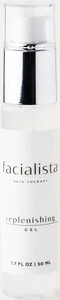
Facialista
Facialista Replenishing Gel
98/100
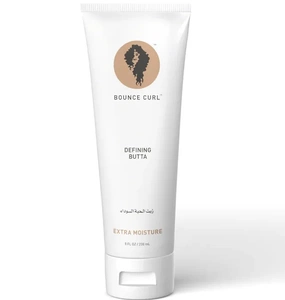
Bounce Curl
Bounce Curl Defining Butta
97/100
Aromatica
Aromatica Cypress Deep Cleansing Shampoo
97/100
Yope
yope Oat Milk Natural Shampoo
97/100
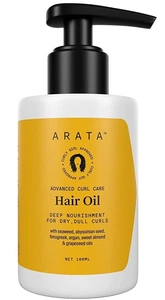
Arata
Arata Advanced Curl Care Hair Oil
88/100
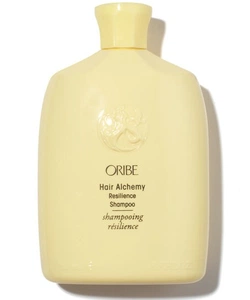
Oribe
Oribe Hair Alchemy Shampoo
86/100
Related ingredients
Ver también
Sources & references
Authoritative references used to score this ingredient.
Frequently asked questions
- ¿Es trigonella foenum-graecum seed extract seguro durante el embarazo?
- No EU Annex II/III listing or harmonised CLP reproductive classification was found for Trigonella foenum‑graecum seed extract (INCI). Major regulatory/assessment bodies (CosIng, ECHA C&L Inventory) show the botanical as an approved cosmetic ingredient entry but no harmonised reproductive hazard; the peer‑review literature does not identify a human teratogen or harmonised H361/H360 classification. Sources: COSING and absence of harmonised C&L; literature reviews of fenugreek note limited data and historical food/medicinal use but not a confirmed developmental hazard. (CosIng; ECHA; PubMed review).
- ¿Es trigonella foenum-graecum seed extract seguro durante la lactancia?
- No regulatory ban or harmonised lactation hazard was identified. Clinical reviews note fenugreek has been used as an oral galactagogue and that safety data in nursing mothers/infants are limited and mixed; this is an oral systemic context, not topical cosmetic use. There is no authoritative CIR or SCCS safety opinion flagging breastfeeding risk for the cosmetic extract. (PubMed review; ECHA/COSING).
- ¿Es trigonella foenum-graecum seed extract seguro para la piel del bebé?
- No evidence of specific developmental or infant dermal toxicity was found and no regulatory restriction for use on infant skin was located. However, infant skin has higher permeability; for a botanical extract with measurable constituents, exposure via leave‑on topical use can be higher in babies — therefore exposure score is increased by +1 for 0–3 yr. No infant‑specific studies demonstrating placental/dermal transfer or endocrine disruption were found. (PubMed; COSING).
- ¿Cómo puntúa VeriMom a trigonella foenum-graecum seed extract?
- VeriMom puntúa trigonella foenum-graecum seed extract en 100/100 (sin riesgos conocidos) según el estado EU CosIng, clasificaciones ECHA y estudios PubMed.
- ¿Cuáles son las alternativas seguras a trigonella foenum-graecum seed extract en el embarazo?
- Consulta nuestra lista de alternativas seguras a trigonella foenum-graecum seed extract según función similar y clasificación sin riesgos conocidos.
Revisa tus propios cosméticos
Pega la lista de ingredientes de cualquier producto en nuestro verificador gratuito y mira cada ingrediente evaluado con datos regulatorios de la UE e investigación revisada por pares.
Abrir el verificador de ingredientes seguros en el embarazoComprueba cualquier etiqueta en 2 segundos
Descarga VeriMom gratis — escanea cualquier producto y ve la puntuación de seguridad en el embarazo al instante.
Aviso Médico
Esta información es solo para fines educativos y no constituye asesoramiento médico. Las puntuaciones de seguridad se basan en datos disponibles públicamente y pueden no reflejar todos los riesgos. Siempre consulte a su profesional de salud antes de usar cualquier producto durante el embarazo o la lactancia.