 VeriMom
¿Es triethylene glycol seguro durante el embarazo?
Reviewed by VeriMom Editorial Team · Last reviewed
Ingredientes
triethylene glycol
SIN RIESGOS CONOCIDOS93
/100
0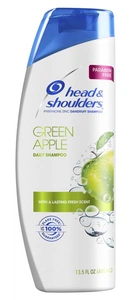

Pregnancy-safe products containing triethylene glycol
Head & Shoulders
Head & Shoulders Apple Fresh Anti-Dandruff Shampoo
98/100
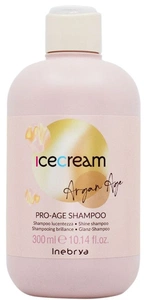
Inebrya
Inebrya Ice Cream Argan Age Pro-Age Shampoo
98/100
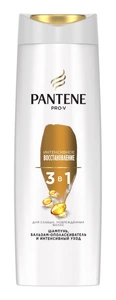
Pantene PRO-V 3 в 1
Pantene PRO-V 3 в 1 Интенсивное Восстановление.
98/100
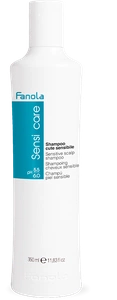
Fanola
Fanola Sensi Care Sensitive Scalp Shampoo
98/100
Alama professional
Alama Professional SOS Color & Go Silver
98/100
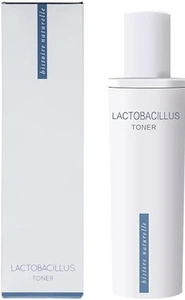
Histoire Naturelle
Histoire Naturelle Lactobacillus Toner
98/100
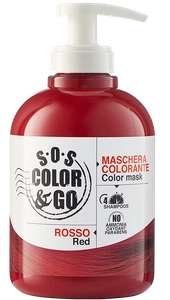
Alama professional
Alama Professional SOS Color & Go Red
98/100
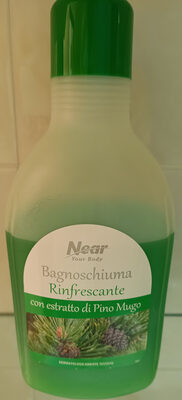
Eurospin
Bagnoschiuma Rinfrescante con estratto di Pino Mugo
98/100
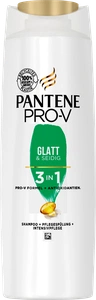
Pantene Pro V
Pantene Pro-V 3in1 Shampoo Glatt & Seidig
98/100
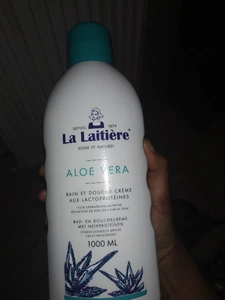
La Laitière
La Laitière Bath And Shower Cream With Lactoproteins - Aloe Vera
98/100
Related ingredients
Ver también
Sources & references
Authoritative references used to score this ingredient.
Frequently asked questions
- ¿Es triethylene glycol seguro durante el embarazo?
- No harmonised CLP reproductive classification was found for triethylene glycol (ECHA substance/SDS indicate no GHS reproductive classification) and CIR listings for related glycols support ‘safe as used’ assessments; peer‑reviewed human data show only very low/trace systemic detection in children exposed orally to PEG formulations (TEG detected below quantitation in a pilot study), suggesting low but measurable systemic exposure is possible but no reproductive effects were reported. Sources: ECHA registration/SDS (no harmonised CLP), CIR ingredient page, PubMed detection study. ([download.basf.com](https://download.basf.com/p1/000000000030054096_SDS_GEN_GB/en_GB/TRIETHYLENE_GLYKOL_000000000030054096_SDS_GEN_GB_en_12-0.pdf?utm_source=openai))
- ¿Es triethylene glycol seguro durante la lactancia?
- Same rationale as pregnancy: no CLP/SCCS/CIR reproductive or lactation hazard identified and no mechanistic endocrine evidence. Low but measurable systemic absorption has been reported in contexts of oral exposure to PEG products (analytical methods detect TEG at very low levels), so low maternal systemic exposure — and therefore low potential for transfer to breast milk — is plausible but not demonstrated. ([download.basf.com](https://download.basf.com/p1/000000000030054096_SDS_GEN_GB/en_GB/TRIETHYLENE_GLYKOL_000000000030054096_SDS_GEN_GB_en_12-0.pdf?utm_source=openai))
- ¿Es triethylene glycol seguro para la piel del bebé?
- No infant‑specific reproductive or developmental hazard was identified and no harmonised classification exists. Because triethylene glycol is a small, water‑soluble glycol with measurable (though low) systemic detection in human biomonitoring after oral exposure, dermal absorption through immature infant skin is plausibly higher than in adults; per your guidance exposure score is increased by +1 for 0–3‑year skin. No infant toxicity or developmental effects were reported in the sources found. ([download.basf.com](https://download.basf.com/p1/000000000030054096_SDS_GEN_GB/en_GB/TRIETHYLENE_GLYKOL_000000000030054096_SDS_GEN_GB_en_12-0.pdf?utm_source=openai))
- ¿Cómo puntúa VeriMom a triethylene glycol?
- VeriMom puntúa triethylene glycol en 93/100 (sin riesgos conocidos) según el estado EU CosIng, clasificaciones ECHA y estudios PubMed.
- ¿Cuáles son las alternativas seguras a triethylene glycol en el embarazo?
- Consulta nuestra lista de alternativas seguras a triethylene glycol según función similar y clasificación sin riesgos conocidos.
Revisa tus propios cosméticos
Pega la lista de ingredientes de cualquier producto en nuestro verificador gratuito y mira cada ingrediente evaluado con datos regulatorios de la UE e investigación revisada por pares.
Abrir el verificador de ingredientes seguros en el embarazoComprueba cualquier etiqueta en 2 segundos
Descarga VeriMom gratis — escanea cualquier producto y ve la puntuación de seguridad en el embarazo al instante.
Aviso Médico
Esta información es solo para fines educativos y no constituye asesoramiento médico. Las puntuaciones de seguridad se basan en datos disponibles públicamente y pueden no reflejar todos los riesgos. Siempre consulte a su profesional de salud antes de usar cualquier producto durante el embarazo o la lactancia.