 VeriMom
¿Es thymus vulgaris leaf extract seguro durante el embarazo?
Reviewed by VeriMom Editorial Team · Last reviewed
Ingredientes
thymus vulgaris leaf extract
SIN RIESGOS CONOCIDOS100
/100
0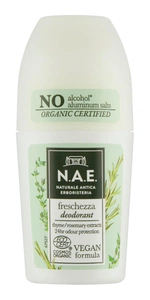
Pregnancy-safe products containing thymus vulgaris leaf extract
N.A.E
N.A.E. Freschezza Deodorant Roller
98/100
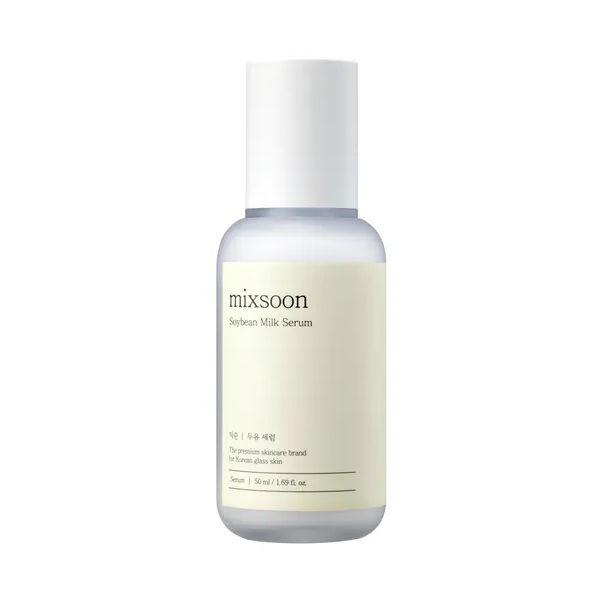
Mixsoon
Mixsoon Soybean Milk Serum - 50ml
98/100
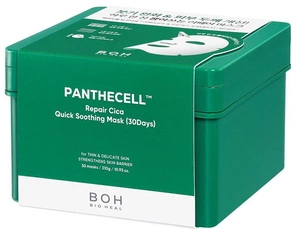
BIO HEAL BOH
BIO HEAL BOH Panthecell Repair Cica Quick Soothing Mask 30days 30 Sheets
98/100
Mixsoon
Mixsoon Soybean Milk Serum - 30ml
98/100
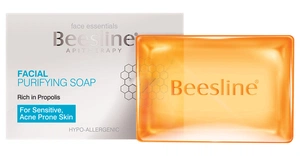
Beesline Apitherapy
Beesline Apitherapy Facial Purifying Soap
98/100
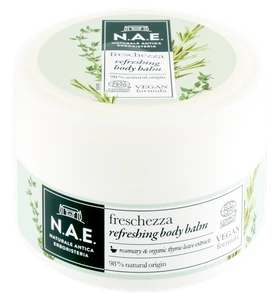
N.A.E
N.A.E. Freschezza Refreshing Body Balm
98/100
Domus Olea Toscana
Domus Olea Toscana Skin Perfector Crema Viso
98/100
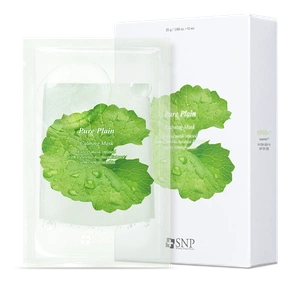
SNP
SNP Pure Plain Calming Mask
97/100
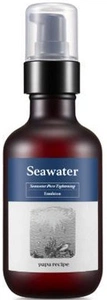
PAPA RECIPE
PAPA RECIPE Seawater Pore Tightening Emulsion
97/100
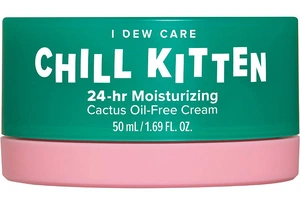
I Dew Care
I Dew Care Chill Kitten
97/100
Related ingredients
Ver también
Sources & references
Authoritative references used to score this ingredient.
Frequently asked questions
- ¿Es thymus vulgaris leaf extract seguro durante el embarazo?
- No harmonised reproductive classification in ECHA Annex VI for Thymus vulgaris leaf extract or for the extract as used in cosmetics; no SCCS or CIR reproduction warnings specific to this extract identified. Peer‑reviewed data do not demonstrate human teratogenicity or clear animal reproductive toxicity attributable to the leaf extract as used topically. (Sources: ECHA Annex VI — no harmonised CLP for this substance; CosIng/PubChem entries list the extract without repro classification; PubMed literature does not provide confirmed reproductive hazard for topical thyme leaf extract.)
- ¿Es thymus vulgaris leaf extract seguro durante la lactancia?
- No evidence of lactation-specific hazard or transfer warnings for Thymus vulgaris leaf extract in regulatory assessments. Constituents (thymol/carvacrol) have limited dermal absorption at cosmetic use concentrations and no regulatory breastfeeding contraindication was identified. (Sources: ECHA/CosIng/PubChem; no CIR or SCCS breastfeeding restrictions found.)
- ¿Es thymus vulgaris leaf extract seguro para la piel del bebé?
- Hazard and mechanism scores remain 0 because no reproductive or developmental hazard is documented for the extract itself. Exposure score increased to 1 for infants (0–3 yr) because infant skin has higher surface‑area‑to‑body‑weight and a less mature barrier; botanical extracts containing low‑molecular‑weight phenolics (e.g., thymol) can be dermally absorbed to a measurable though generally low degree. No infant‑specific toxicity data were found. (Sources: general dermal absorption principles; CosIng/PubChem listings; lack of harmonised CLP or CIR infant warnings.)
- ¿Cómo puntúa VeriMom a thymus vulgaris leaf extract?
- VeriMom puntúa thymus vulgaris leaf extract en 100/100 (sin riesgos conocidos) según el estado EU CosIng, clasificaciones ECHA y estudios PubMed.
- ¿Cuáles son las alternativas seguras a thymus vulgaris leaf extract en el embarazo?
- Consulta nuestra lista de alternativas seguras a thymus vulgaris leaf extract según función similar y clasificación sin riesgos conocidos.
Revisa tus propios cosméticos
Pega la lista de ingredientes de cualquier producto en nuestro verificador gratuito y mira cada ingrediente evaluado con datos regulatorios de la UE e investigación revisada por pares.
Abrir el verificador de ingredientes seguros en el embarazoComprueba cualquier etiqueta en 2 segundos
Descarga VeriMom gratis — escanea cualquier producto y ve la puntuación de seguridad en el embarazo al instante.
Aviso Médico
Esta información es solo para fines educativos y no constituye asesoramiento médico. Las puntuaciones de seguridad se basan en datos disponibles públicamente y pueden no reflejar todos los riesgos. Siempre consulte a su profesional de salud antes de usar cualquier producto durante el embarazo o la lactancia.