 VeriMom
¿Es tetrahydroxypropyl ethylenediamine seguro durante el embarazo?
Reviewed by VeriMom Editorial Team · Last reviewed
Ingredientes
tetrahydroxypropyl ethylenediamine
SIN RIESGOS CONOCIDOS93
/100
0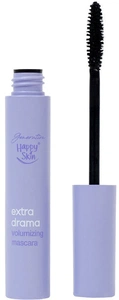
Pregnancy-safe products containing tetrahydroxypropyl ethylenediamine
Happy Skin
Happy Skin Generation Happy Skin Extra Drama Volumizing Mascara
99/100
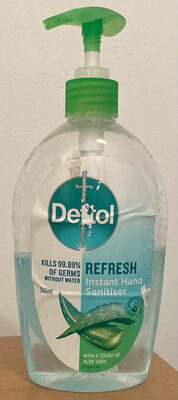
Dettol
Instant Hand Sanitizer
98/100
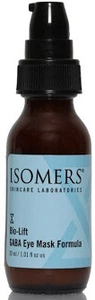
Isomers
Isomers Bio-Lift Gaba Eye Mask
98/100
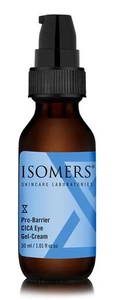
ISOMERS Skincare
ISOMERS Skincare Pro-Barrier CICA Eye Gel-Cream
98/100
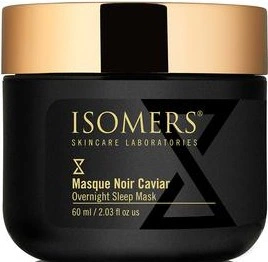
ISOMERS Skincare
ISOMERS Skincare Masque Noir Caviar Overnight Sleep Mask
98/100
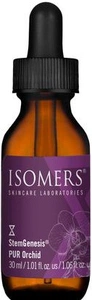
ISOMERS Skincare
ISOMERS Skincare Stemgenesis® Pur Orchid Concentrate
98/100
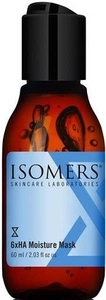
ISOMERS Skincare
ISOMERS Skincare 6Xha Moisture Mask
97/100
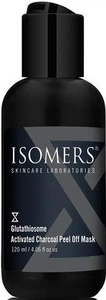
ISOMERS Skincare
ISOMERS Skincare Glutathiosome Activated Charcoal Peel Off Mask
97/100
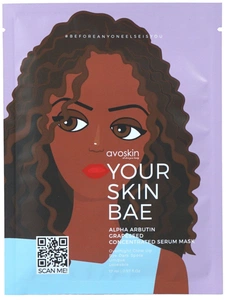
Avoskin
Avoskin Your Skin Bae Alpha Arbutin + Grapeseed Concentrated Serum Mask
97/100
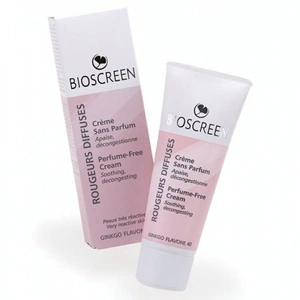
Bioscreen
Bioscreen Rougeurs Diffuses Perfume-free Cream
97/100
Related ingredients
Ver también
Sources & references
Authoritative references used to score this ingredient.
Frequently asked questions
- ¿Es tetrahydroxypropyl ethylenediamine seguro durante el embarazo?
- No harmonised CLP reproductive classifications (H360/H361) or SCCS/CIR safety assessment found for tetrahydroxypropyl ethylenediamine (CAS 102-60-3); main published human signal is contact allergy, not developmental/reproductive toxicity. External authoritative listings (ECHA substance page, PubChem/Fisher) do not show reproductive flags, so default hazard/mechanism = 0; topical exposure is judged low but measurable (e=1) based on use as a cosmetic ingredient/chelating agent and moderate water solubility. Sources: ECHA, PubChem/Fisher, PubMed, EWG.
- ¿Es tetrahydroxypropyl ethylenediamine seguro durante la lactancia?
- No data indicating breastmilk transfer or lactation-specific toxicity and no regulatory reproductive/lactation classification; mechanism and hazard not identified in authoritative sources, so hazard/mechanism = 0. Topical cosmetic exposure expected low but measurable (e=1).
- ¿Es tetrahydroxypropyl ethylenediamine seguro para la piel del bebé?
- No infant-specific reproductive/toxicity data found; ingredient is not flagged as a developmental toxicant. Because infant skin has higher permeability, exposure score is increased by +1 (adult e=1 → baby e=2) though no evidence was found of systemic effects in adults or infants. Note reported human adverse effect is allergic contact dermatitis in some users, which is a local sensitization concern rather than a systemic developmental hazard (PubMed).
- ¿Cómo puntúa VeriMom a tetrahydroxypropyl ethylenediamine?
- VeriMom puntúa tetrahydroxypropyl ethylenediamine en 93/100 (sin riesgos conocidos) según el estado EU CosIng, clasificaciones ECHA y estudios PubMed.
- ¿Cuáles son las alternativas seguras a tetrahydroxypropyl ethylenediamine en el embarazo?
- Consulta nuestra lista de alternativas seguras a tetrahydroxypropyl ethylenediamine según función similar y clasificación sin riesgos conocidos.
Revisa tus propios cosméticos
Pega la lista de ingredientes de cualquier producto en nuestro verificador gratuito y mira cada ingrediente evaluado con datos regulatorios de la UE e investigación revisada por pares.
Abrir el verificador de ingredientes seguros en el embarazoComprueba cualquier etiqueta en 2 segundos
Descarga VeriMom gratis — escanea cualquier producto y ve la puntuación de seguridad en el embarazo al instante.
Aviso Médico
Esta información es solo para fines educativos y no constituye asesoramiento médico. Las puntuaciones de seguridad se basan en datos disponibles públicamente y pueden no reflejar todos los riesgos. Siempre consulte a su profesional de salud antes de usar cualquier producto durante el embarazo o la lactancia.