 VeriMom
¿Es tasmannia lanceolata leaf extract seguro durante el embarazo?
Reviewed by VeriMom Editorial Team · Last reviewed
Ingredientes
tasmannia lanceolata leaf extract
SIN RIESGOS CONOCIDOS100
/100
0
Pregnancy-safe products containing tasmannia lanceolata leaf extract
Ringana
Ringana Fresh Tonic Calm
99/100
Tropic skincare
Tropic skincare Skin Shade Tinted Facial Sun Cream
99/100
Salt By Hendrix
Salt By Hendrix Aurora Face Crème
98/100
Dermalogica
Dermalogica Stabilizing Repair Cream
98/100
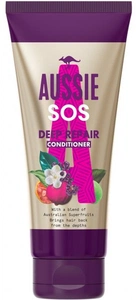
Aussie
Aussie SOS Deep Repair Conditioner
97/100
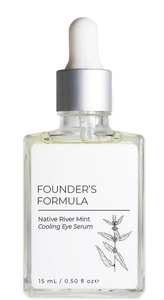
Founder's Formula
Founder's Formula Australian Native River Mint Cooling Eye Serum
97/100
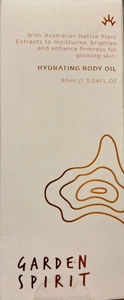
Garden Spirit
Garden Spirit Hydrating Body Oil
96/100
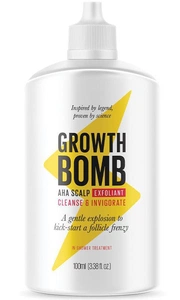
Growth Bomb
Growth Bomb AHA Scalp Exfoliant
84/100
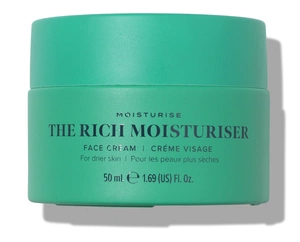
Skin rocks
Skin rocks The Rich Moisturiser
83/100
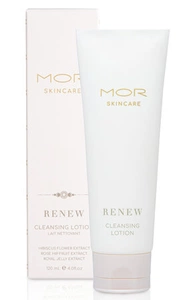
Mor Skincare
Mor Skincare Renew Cleansing Lotion
83/100
Related ingredients
Ver también
Sources & references
Authoritative references used to score this ingredient.
Frequently asked questions
- ¿Es tasmannia lanceolata leaf extract seguro durante el embarazo?
- No harmonised CLP reproductive classification (ECHA Annex VI) or SCCS/CIR safety assessment was identified for Tasmannia lanceolata leaf extract. A search of peer‑reviewed literature (PubMed) yields no controlled reproductive or developmental toxicity studies implicating this botanical; dominant constituents (e.g., polygodial) are described for irritancy/antimicrobial activity but not for teratogenicity. Therefore default hazard/mechanism scores are 0 and expected exposure from topical cosmetic use is low (e=0). Sources: ECHA Annex VI (no harmonised CLP entry), PubMed, CosIng, PubChem.
- ¿Es tasmannia lanceolata leaf extract seguro durante la lactancia?
- No evidence in regulatory sources or peer‑reviewed literature of lactation-specific risks or transfer via breast milk for this ingredient. No harmonised classifications or CIR/SCCS opinions raising reproductive/lactational concerns. Topical cosmetic exposure is expected to be low for mother (e=0). Sources: PubMed, CosIng, ECHA Annex VI.
- ¿Es tasmannia lanceolata leaf extract seguro para la piel del bebé?
- No infant‑specific reproductive or developmental toxicity data found. Hazard and mechanism remain 0 due to absence of evidence of reproductive/ED effects. Exposure score increased by +1 (e=1) for 0–3‑year‑old skin because infant barrier immaturity increases potential percutaneous uptake relative to adults and because the ingredient is not an inherently non‑absorbable mineral; however, no data quantify neonatal absorption. Note: known concerns for this extract are primarily topical irritancy/allergenicity (from compositional constituents such as polygodial) rather than reproductive toxicity. Sources: PubMed, CosIng, EWG.
- ¿Cómo puntúa VeriMom a tasmannia lanceolata leaf extract?
- VeriMom puntúa tasmannia lanceolata leaf extract en 100/100 (sin riesgos conocidos) según el estado EU CosIng, clasificaciones ECHA y estudios PubMed.
- ¿Cuáles son las alternativas seguras a tasmannia lanceolata leaf extract en el embarazo?
- Consulta nuestra lista de alternativas seguras a tasmannia lanceolata leaf extract según función similar y clasificación sin riesgos conocidos.
Comprueba cualquier etiqueta en 2 segundos
Descarga VeriMom gratis — escanea cualquier producto y ve la puntuación de seguridad en el embarazo al instante.
Aviso Médico
Esta información es solo para fines educativos y no constituye asesoramiento médico. Las puntuaciones de seguridad se basan en datos disponibles públicamente y pueden no reflejar todos los riesgos. Siempre consulte a su profesional de salud antes de usar cualquier producto durante el embarazo o la lactancia.