 VeriMom
¿Es salvia sclarea oil seguro durante el embarazo?
Reviewed by VeriMom Editorial Team · Last reviewed
Ingredientes
salvia sclarea oil
RIESGO BAJO87
/100
0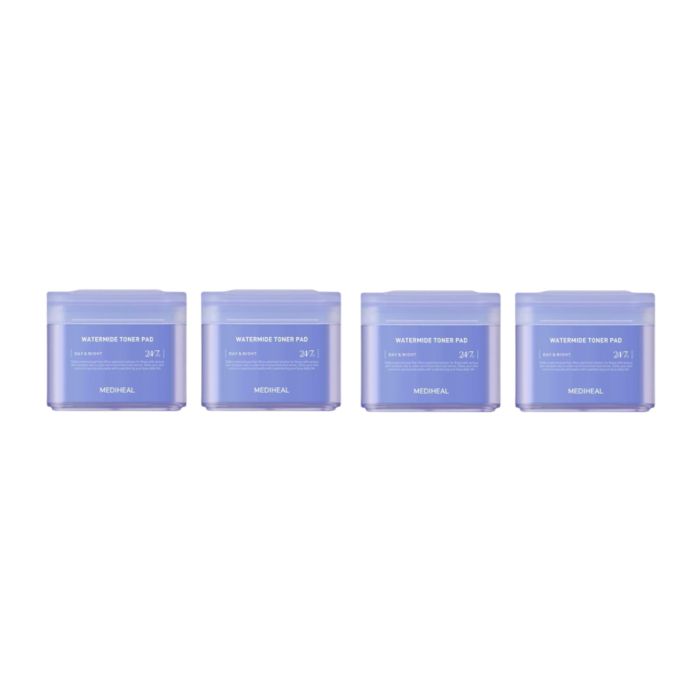
Pregnancy-safe products containing salvia sclarea oil
Mediheal
Mediheal Watermide Toner Pad - 100ea (4ea) Set
89/100
Proudly Company
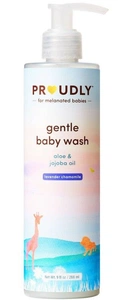
Proudly Company Gentle Baby Wash - Lavender Chamomile
89/100
TonyMoly
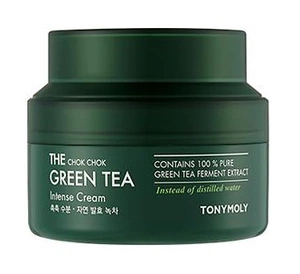
TonyMoly Chok Chok Green Tea Intense Cream
89/100
Lagom
Lagom Collagen Anti-Wrinkle Neck Cream
89/100
Mediheal
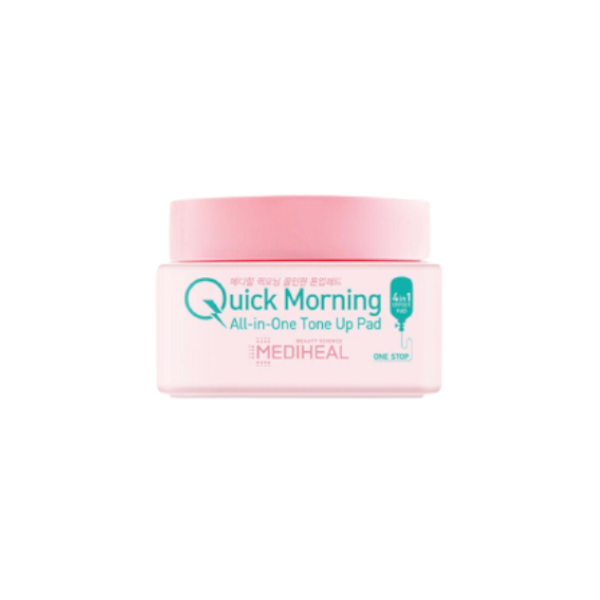
Mediheal Quick Morning All-in-One Tone Up Pad - 30pads
89/100
pasutara
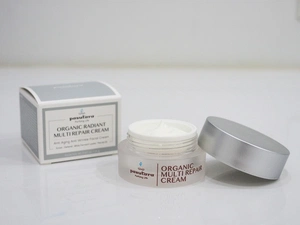
pasutara Organic Radiant Multi Repair Cream
89/100
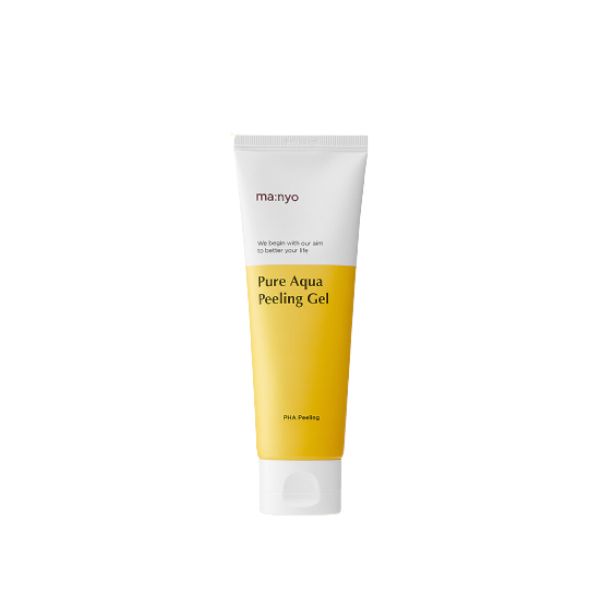
Ma:nyo Pure Aqua Peeling Gel - 120ml
89/100
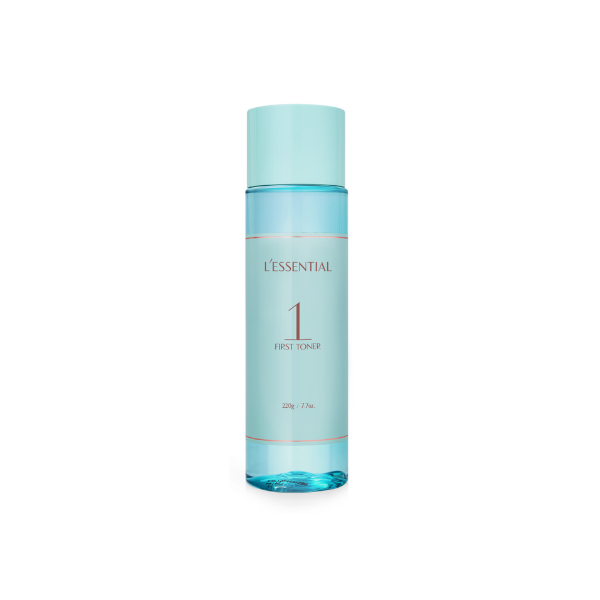
L'ESSENTIAL First Toner - 220ml
89/100
Manna
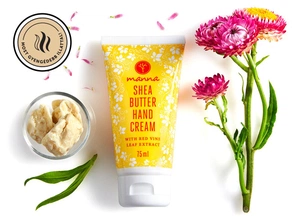
Manna Shea Butter Hand Cream
89/100
Make P:rem
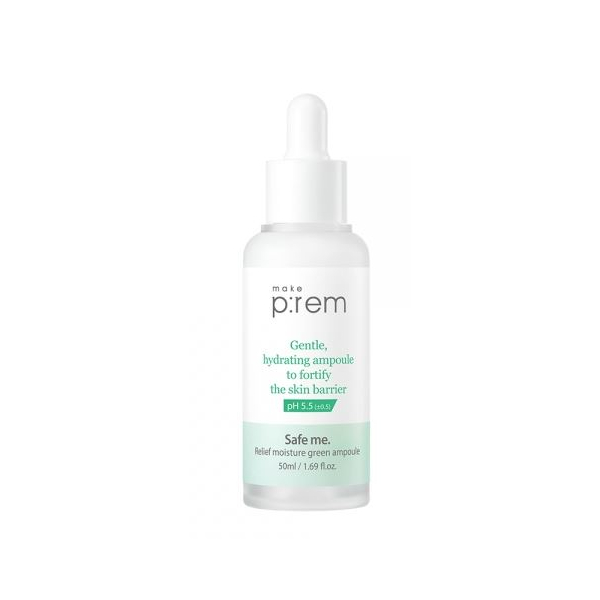
make p:rem Safe me. Relief Moisture Green Ampoule - 50ml
89/100
Related ingredients
Ver también
Sources & references
Authoritative references used to score this ingredient.
Frequently asked questions
- ¿Es salvia sclarea oil seguro durante el embarazo?
- No EU Annex II/III listing or harmonised reproductive (H360/H361) CLP entry was found for Salvia sclarea (clary sage) essential/seed oil, and no authoritative CIR or SCCS safety assessment flags reproductive hazard. Primary literature shows bioactive constituent sclareol has pharmacologic activity and in vitro/in vivo effects (possible SERM-like or other endocrine‑related activity) but no clear animal or human developmental/reproductive toxicity demonstrating teratogenicity or fertility effects. ECHA registration and supplier SDSs report skin sensitisation (H317) and aquatic hazards (H412) but not harmonised repro classification. Sources: ECHA substance pages; CosIng entries; PubMed studies on sclareol (see sources).
- ¿Es salvia sclarea oil seguro durante la lactancia?
- Same evidence base as pregnancy: no harmonised reproductive/breastfeeding hazard or regulatory ban. Sclareol shows biological activity in vitro and in animals (mechanistic signal only), but no confirmed human lactation/infant harm data. Topical use can result in low but measurable systemic absorption, so exposure is non‑zero. Regulatory SDSs do not list reproductive classification. See sources.
- ¿Es salvia sclarea oil seguro para la piel del bebé?
- No infant‑specific reproductive or developmental hazard data were identified and no EU cosmetic ban/restriction exists for Salvia sclarea oil. Mechanistic concern remains theoretical (sclareol activity) so m=1. Per instruction, exposure for infants is increased by +1 because topical application to baby skin gives higher systemic absorption relative to adults; therefore e=2 (adult e=1 → baby e=2). Skin sensitisation risk (H317 reported in SDS/registrations) means topical irritation/allergy risk may be higher in infants, but that does not change h/m scoring without infant‑specific repro evidence.
- ¿Cómo puntúa VeriMom a salvia sclarea oil?
- VeriMom puntúa salvia sclarea oil en 87/100 (riesgo bajo) según el estado EU CosIng, clasificaciones ECHA y estudios PubMed.
- ¿Cuáles son las alternativas seguras a salvia sclarea oil en el embarazo?
- Consulta nuestra lista de alternativas seguras a salvia sclarea oil según función similar y clasificación sin riesgos conocidos.
Revisa tus propios cosméticos
Pega la lista de ingredientes de cualquier producto en nuestro verificador gratuito y mira cada ingrediente evaluado con datos regulatorios de la UE e investigación revisada por pares.
Abrir el verificador de ingredientes seguros en el embarazoComprueba cualquier etiqueta en 2 segundos
Descarga VeriMom gratis — escanea cualquier producto y ve la puntuación de seguridad en el embarazo al instante.
Aviso Médico
Esta información es solo para fines educativos y no constituye asesoramiento médico. Las puntuaciones de seguridad se basan en datos disponibles públicamente y pueden no reflejar todos los riesgos. Siempre consulte a su profesional de salud antes de usar cualquier producto durante el embarazo o la lactancia.