 VeriMom
¿Es salvia officinalis leaf seguro durante el embarazo?
No harmonised CLP reproductive classification (ECHA Annex VI) or SCCS/CIR reproductive warnings were identified for Salvia officinalis leaf as a cosmetic ingredient. Peer-reviewed literature notes that some sage essential oils contain thujone and camphor, constituents that have toxic effects at high systemic doses, but topical cosmetic use of leaf/extracts is not linked to demonstrated developmental/reproductive effects in humans or animals in regulatory sources, so hazard is rated as default 0. Exposure is set to 1 (low but measurable) because topical application of plant extracts or essential-oil-containing preparations can lead to some dermal absorption of small lipophilic constituents (PubMed; PubChem).
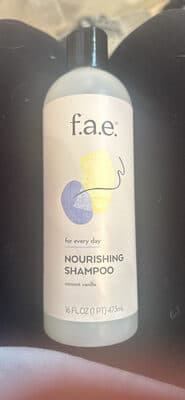
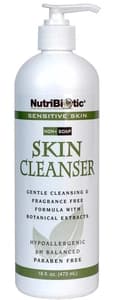
Pregnancy-safe products containing salvia officinalis leaf




Related ingredients
Frequently asked questions
- ¿Es salvia officinalis leaf seguro durante el embarazo?
- No harmonised CLP reproductive classification (ECHA Annex VI) or SCCS/CIR reproductive warnings were identified for Salvia officinalis leaf as a cosmetic ingredient. Peer-reviewed literature notes that some sage essential oils contain thujone and camphor, constituents that have toxic effects at high systemic doses, but topical cosmetic use of leaf/extracts is not linked to demonstrated developmental/reproductive effects in humans or animals in regulatory sources, so hazard is rated as default 0. Exposure is set to 1 (low but measurable) because topical application of plant extracts or essential-oil-containing preparations can lead to some dermal absorption of small lipophilic constituents (PubMed; PubChem).
- ¿Es salvia officinalis leaf seguro durante la lactancia?
- No regulatory or authoritative reproductive/breastfeeding contraindication (no ECHA harmonised classification, no SCCS or CIR restriction). Systemic exposure from typical cosmetic topical use is expected to be low, but measurable absorption of small constituents (eg, camphor, thujone if present in oil) could occur, so exposure is rated 1.
- ¿Es salvia officinalis leaf seguro para la piel del bebé?
- No evidence of infant-specific reproductive or systemic toxicity from topical Salvia officinalis leaf in authoritative sources. However, infant skin has higher absorption and sensitivity; therefore exposure score is increased by +1 relative to adults (adult e=1 → infant e=2). If the ingredient is present as or contains concentrated essential oil components (thujone, camphor), irritation or systemic effects are more plausible at higher concentrations, so caution is warranted for 0–3 yr skin use.
- ¿Cómo puntúa VeriMom a salvia officinalis leaf?
- VeriMom puntúa salvia officinalis leaf en 93/100 (sin riesgos conocidos) según el estado EU CosIng, clasificaciones ECHA y estudios PubMed.
- ¿Cuáles son las alternativas seguras a salvia officinalis leaf en el embarazo?
- Consulta nuestra lista de alternativas seguras a salvia officinalis leaf según función similar y clasificación sin riesgos conocidos.
Comprueba cualquier etiqueta en 2 segundos
Descarga VeriMom gratis — escanea cualquier producto y ve la puntuación de seguridad en el embarazo al instante.
Aviso Médico
Esta información es solo para fines educativos y no constituye asesoramiento médico. Las puntuaciones de seguridad se basan en datos disponibles públicamente y pueden no reflejar todos los riesgos. Siempre consulte a su profesional de salud antes de usar cualquier producto durante el embarazo o la lactancia.