 VeriMom
¿Es royal jelly seguro durante el embarazo?
Reviewed by VeriMom Editorial Team · Last reviewed
Ingredientes
royal jelly
SIN RIESGOS CONOCIDOS93
/100
0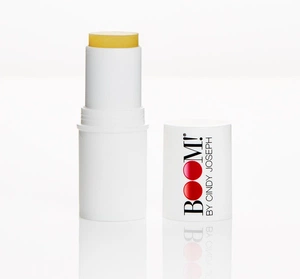
Pregnancy-safe products containing royal jelly
Boom
Boom Stick Glo
99/100
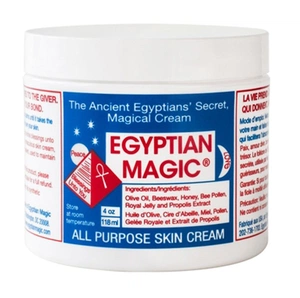
Egyptian Magic
Egyptian Magic All Purpose Skin Cream
99/100
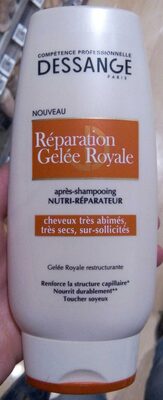
Dessange
Après-shampoing nutri-réparateur
98/100
Apidava
Apidava Eye Cream Without Parabens
98/100
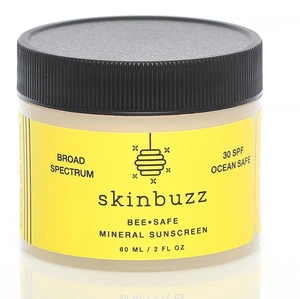
Bee Safe
Bee Safe Organic Mineral Sunscreen
98/100
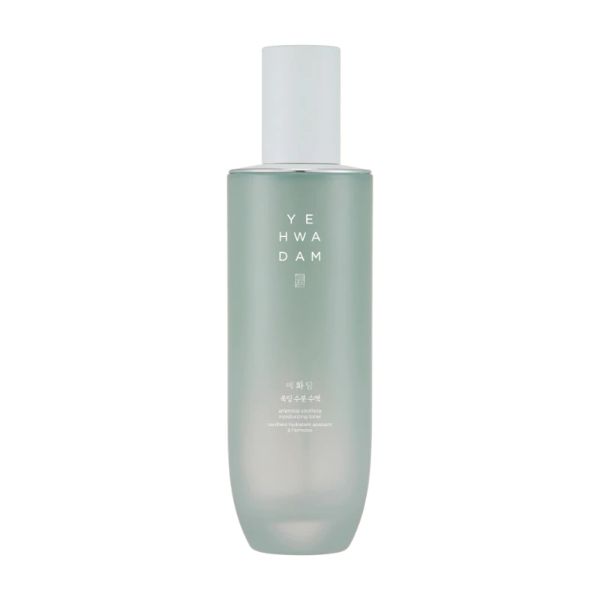
THE FACE SHOP Yehwadam Artemisia Soothing Moisturizing Toner - 180ml
98/100
Guerlain
Guerlain Abeille Royale UV Skin Defense Protective Fluid Youthful Radiance SPF 50 / Pa++++
98/100
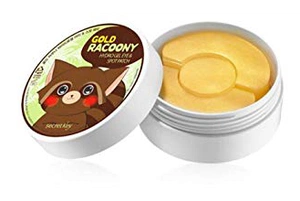
Secret Key
Secret Key Gold Racoony Hydrogel Eye & Spot Patch
98/100
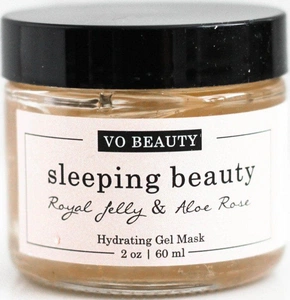
VO BEAUTY
VO BEAUTY Sleeping Beauty
98/100
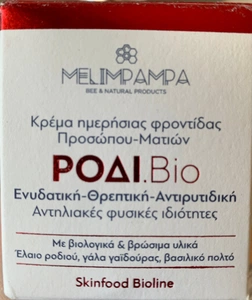
Melimpampa
Melimpampa Rovi.Bio
98/100
Related ingredients
Ver también
Sources & references
Authoritative references used to score this ingredient.
Frequently asked questions
- ¿Es royal jelly seguro durante el embarazo?
- No harmonised CLP reproductive classification (no H360/H361) for royal jelly (CAS 8031-67-2) and no authoritative CIR or SCCS safety opinion indicating reproductive hazard. PubMed literature does not provide convincing human teratogenic or developmental toxicity data; the main reported concern for royal jelly is contact allergy rather than reproductive toxicity. Topical cosmetic use would be expected to give low but measurable exposure. Sources: ECHA C&L (no harmonised classification), PubChem, PubMed, CosIng, EWG.
- ¿Es royal jelly seguro durante la lactancia?
- No evidence from authoritative sources of reproductive/developmental toxicity or lactation-specific toxicity. No harmonised hazard (H360/H361) or CIR/SCCS contraindication for use in lactating persons. Topical exposure likely leads to low but measurable systemic absorption, so exposure during breastfeeding is low but not absent. Sources: ECHA C&L, PubChem, PubMed, CosIng.
- ¿Es royal jelly seguro para la piel del bebé?
- No infant-specific developmental or reproductive toxicity data indicating hazard; no harmonised CLP reproductive flags. However, per guidance, infant skin has higher permeability — for an ingredient with measurable topical absorption in adults, exposure score is increased by +1 for 0–3-year skin. Royal jelly is primarily a complex mixture of proteins and lipids with documented allergenic potential, so dermal exposure in infants could pose allergic risk (not a developmental/reproductive mechanism). Sources: PubMed (allergy reports), ECHA C&L, CosIng, EWG.
- ¿Cómo puntúa VeriMom a royal jelly?
- VeriMom puntúa royal jelly en 93/100 (sin riesgos conocidos) según el estado EU CosIng, clasificaciones ECHA y estudios PubMed.
- ¿Cuáles son las alternativas seguras a royal jelly en el embarazo?
- Consulta nuestra lista de alternativas seguras a royal jelly según función similar y clasificación sin riesgos conocidos.
Revisa tus propios cosméticos
Pega la lista de ingredientes de cualquier producto en nuestro verificador gratuito y mira cada ingrediente evaluado con datos regulatorios de la UE e investigación revisada por pares.
Abrir el verificador de ingredientes seguros en el embarazoComprueba cualquier etiqueta en 2 segundos
Descarga VeriMom gratis — escanea cualquier producto y ve la puntuación de seguridad en el embarazo al instante.
Aviso Médico
Esta información es solo para fines educativos y no constituye asesoramiento médico. Las puntuaciones de seguridad se basan en datos disponibles públicamente y pueden no reflejar todos los riesgos. Siempre consulte a su profesional de salud antes de usar cualquier producto durante el embarazo o la lactancia.