 VeriMom
¿Es rosin seguro durante el embarazo?
Reviewed by VeriMom Editorial Team · Last reviewed
Ingredientes
rosin
SIN RIESGOS CONOCIDOS100
/100
0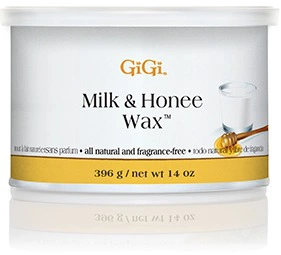

Pregnancy-safe products containing rosin
GiGi
Gigi Milk & Honee Wax
100/100
COSRX
COSRX AC Collection Acne Patch Pack (10ea) Set
99/100
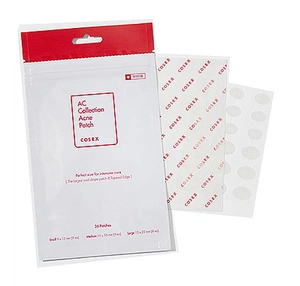
COSRX
COSRX AC Collection Acne Patch
99/100
body-care
COSRX
COSRX AC Collection Acne Patches
99/100
COSRX
COSRX AC Collection Acne Patch Pack (5ea) Set
99/100
House of Essex Cosmetics
House of Essex Cosmetics Lip Glaze
98/100
G.M. Collin
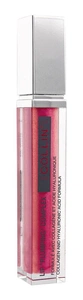
G.M. Collin Lip ''Plumping'' Complex (Rose)
97/100
Penhaligon's
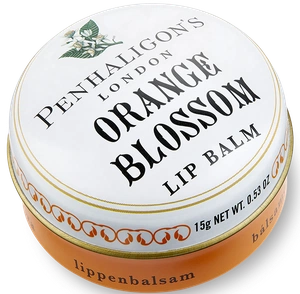
Penhaligon's Orange Blossom Lip Balm
85/100
Clio
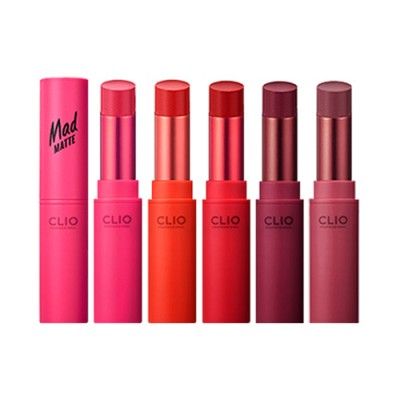
CLIO Mad Matte Lips
82/100
Clio
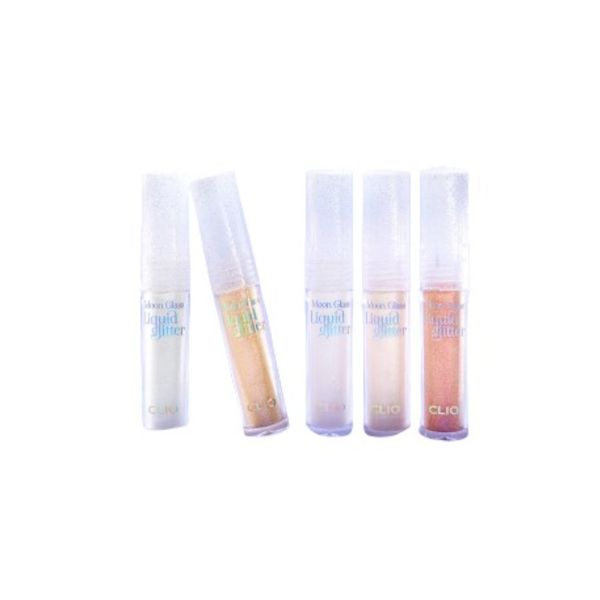
CLIO Moon Glass Liquid Glitter (Sweet Cloud Version) - 3.5g
82/100
Related ingredients
Ver también
Sources & references
Authoritative references used to score this ingredient.
Frequently asked questions
- ¿Es rosin seguro durante el embarazo?
- No harmonised CLP reproductive classifications or SCCS/CIR safety assessment indicating reproductive or teratogenic hazard for rosin (colophony, CAS 8050-09-7). Available regulatory and literature sources describe skin/respiratory sensitisation and some systemic toxicity at high oral dietary doses in animals but do not identify reproductive/teratogenic effects; therefore default 'no evidence of reproductive hazard'. (ECHA registration summary; literature review). ([echa.europa.eu](https://echa.europa.eu/registration-dossier/-/registered-dossier/15505/?utm_source=openai))
- ¿Es rosin seguro durante la lactancia?
- No data or regulatory classification indicating specific hazard to lactation or breastfed infants or evidence of mammary transfer. No SCCS/CIR or harmonised reproductive classification found; primary concerns in the literature are contact/respiratory sensitisation rather than reproductive toxicity. ([echa.europa.eu](https://echa.europa.eu/registration-dossier/-/registered-dossier/15505/?utm_source=openai))
- ¿Es rosin seguro para la piel del bebé?
- Hazard and mechanism: no evidence of infant-specific reproductive/toxic mechanism or harmonised reproductive classification (h=0, m=0). Exposure: adults show low dermal absorption for many resin acids in non-occluded cosmetic use (no data showing high percutaneous uptake), so adult exposure scored e=0. Per the requested scoring rules, because rosin is not completely non-absorbable and infant skin has higher surface-area-to-weight and immature barrier, exposure for baby skin is increased by +1 to e=1. Note: primary documented risk for all ages is allergic contact dermatitis / respiratory sensitisation, not reproductive harm. ([pmc.ncbi.nlm.nih.gov](https://pmc.ncbi.nlm.nih.gov/articles/PMC12113028/?utm_source=openai))
- ¿Cómo puntúa VeriMom a rosin?
- VeriMom puntúa rosin en 100/100 (sin riesgos conocidos) según el estado EU CosIng, clasificaciones ECHA y estudios PubMed.
- ¿Cuáles son las alternativas seguras a rosin en el embarazo?
- Consulta nuestra lista de alternativas seguras a rosin según función similar y clasificación sin riesgos conocidos.
Revisa tus propios cosméticos
Pega la lista de ingredientes de cualquier producto en nuestro verificador gratuito y mira cada ingrediente evaluado con datos regulatorios de la UE e investigación revisada por pares.
Abrir el verificador de ingredientes seguros en el embarazoComprueba cualquier etiqueta en 2 segundos
Descarga VeriMom gratis — escanea cualquier producto y ve la puntuación de seguridad en el embarazo al instante.
Aviso Médico
Esta información es solo para fines educativos y no constituye asesoramiento médico. Las puntuaciones de seguridad se basan en datos disponibles públicamente y pueden no reflejar todos los riesgos. Siempre consulte a su profesional de salud antes de usar cualquier producto durante el embarazo o la lactancia.