 VeriMom
¿Es protease seguro durante el embarazo?
Reviewed by VeriMom Editorial Team · Last reviewed
Ingredientes
protease
SIN RIESGOS CONOCIDOS100
/100
0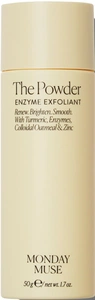
Pregnancy-safe products containing protease
MONDAY MUSE
MONDAY MUSE The Powder
100/100
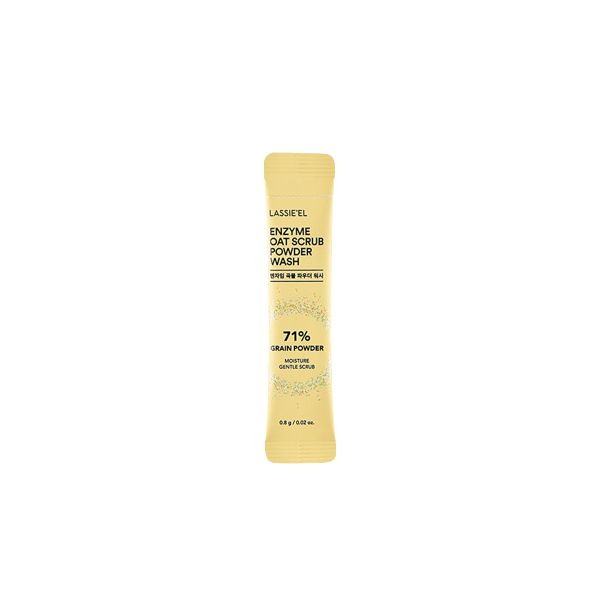
Lassieel
Lassieel Enzyme Oat Scrub Powder Wash - 14pcs
100/100
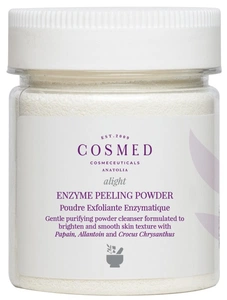
Cosmed
Cosmed Enzyme Peeling Powder
100/100
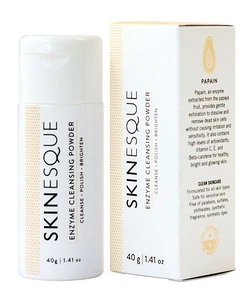
Skinesque
Skinesque ENZYME CLEANSING POWDER
100/100
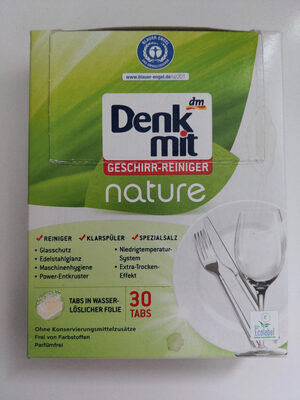
Denkmit
Denkmit Geschirr-Reiniger
100/100
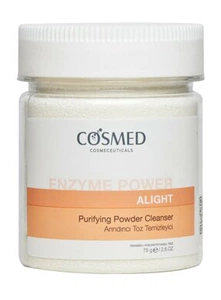
Cosmed
Cosmed Purifying Powder Cleaner
100/100
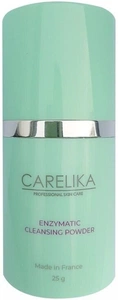
Carelika
Carelika Enzymatic Cleansing Powder
100/100
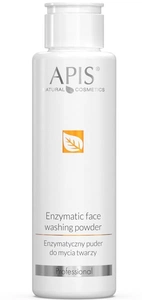
APIS
APIS Professional Enzymatic Face Washing Powder
100/100
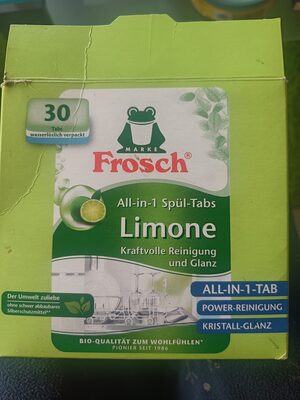
Frosh
Frosh
100/100
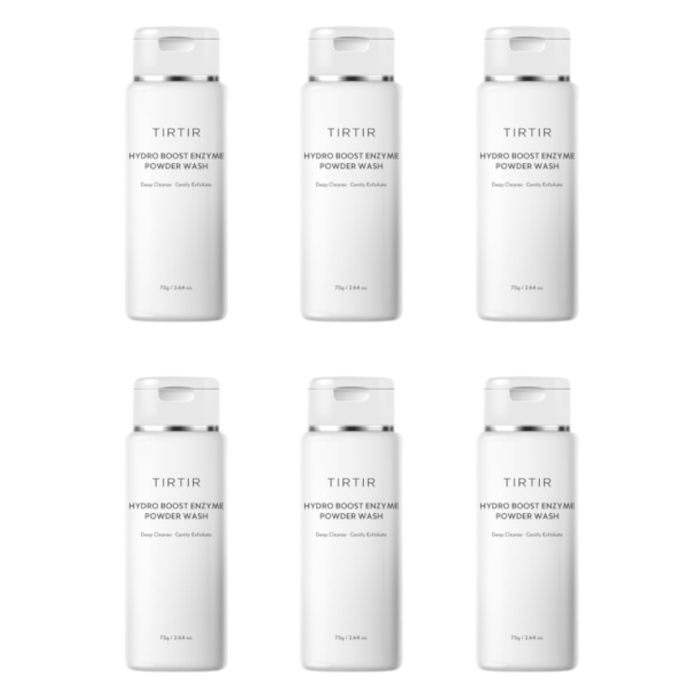
Tirtir
TIRTIR Hydro Boost Enzyme Powder Wash - 75g (6ea) Set
100/100
Related ingredients
Ver también
Sources & references
Authoritative references used to score this ingredient.
Frequently asked questions
- ¿Es protease seguro durante el embarazo?
- No harmonised CLP reproductive classification or SCCS/CIR reproductive safety finding was identified for protease (CAS 9001-92-7). Regulatory/ingredient databases list protease as a cosmetic enzyme (CosIng/INCI) and ECHA substance pages group it with proteases but do not show a harmonised H360/H361 or other reproductive hazard. Peer‑reviewed literature and regulatory dossiers instead raise occupational allergy/sensitisation concerns for proteolytic enzymes, not reproductive toxicity; therefore default scoring is 0/0/0. Sources: ECHA substance page, CosIng listing, PubMed sensitisation literature.
- ¿Es protease seguro durante la lactancia?
- No data indicating protease causes reproductive or lactation/offspring effects or a mechanism for transfer into breastmilk; regulatory listings and literature do not report developmental or lactation toxicity for cosmetic proteases. Primary safety concerns reported are local irritation and allergic sensitisation (including inhalation exposure in occupational settings), not systemic reproductive/lactation effects.
- ¿Es protease seguro para la piel del bebé?
- No infant‑specific reproductive/toxicity data were found. Protease is used as a topical enzyme (INCI Protease) and is primarily associated in the literature with skin irritation and sensitisation risk (including occupational inhalation) rather than systemic reproductive toxicity. Topical dermal absorption of intact protease enzymes is expected to be negligible in healthy adult skin (so adult exposure = 0), but because infant skin has an immature barrier and higher surface‑area‑to‑weight, exposure score is increased by +1 (e=1). No evidence was found that would increase hazard or mechanism scores for infants.
- ¿Cómo puntúa VeriMom a protease?
- VeriMom puntúa protease en 100/100 (sin riesgos conocidos) según el estado EU CosIng, clasificaciones ECHA y estudios PubMed.
- ¿Cuáles son las alternativas seguras a protease en el embarazo?
- Consulta nuestra lista de alternativas seguras a protease según función similar y clasificación sin riesgos conocidos.
Revisa tus propios cosméticos
Pega la lista de ingredientes de cualquier producto en nuestro verificador gratuito y mira cada ingrediente evaluado con datos regulatorios de la UE e investigación revisada por pares.
Abrir el verificador de ingredientes seguros en el embarazoComprueba cualquier etiqueta en 2 segundos
Descarga VeriMom gratis — escanea cualquier producto y ve la puntuación de seguridad en el embarazo al instante.
Aviso Médico
Esta información es solo para fines educativos y no constituye asesoramiento médico. Las puntuaciones de seguridad se basan en datos disponibles públicamente y pueden no reflejar todos los riesgos. Siempre consulte a su profesional de salud antes de usar cualquier producto durante el embarazo o la lactancia.