 VeriMom
¿Es propylene glycol dicaprylate/dicaprate seguro durante el embarazo?
Reviewed by VeriMom Editorial Team · Last reviewed
Ingredientes
propylene glycol dicaprylate/dicaprate
SIN RIESGOS CONOCIDOS100
/100
0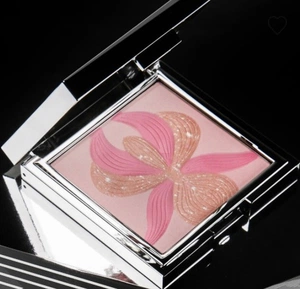

Pregnancy-safe products containing propylene glycol dicaprylate/dicaprate
sisley
Sisley L’Orchidée Highlight Blush with White Lily
100/100
Sephora
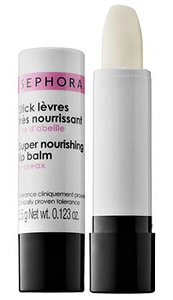
Sephora Super Nourishing Lip Balm
100/100
Doll face
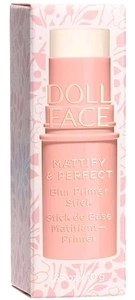
Doll Face Mattify & Perfect Blur Primer Stick
100/100
Charlotte Tilbury
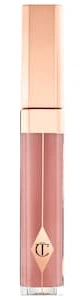
Charlotte Tilbury Lip Lustre
100/100
Tarte
Tarte Maracuja Juicy Glow Highlight Pen
99/100
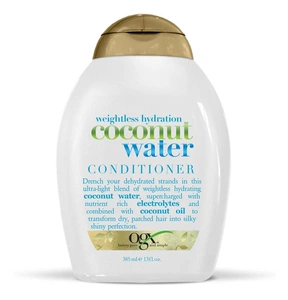
OGX
OGX Weightless Hydration Coconut Water Conditioner
99/100
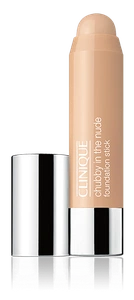
Clinique
Clinique Chubby In The Nude Foundation Stick
99/100
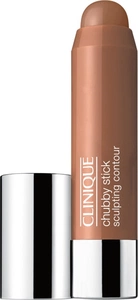
Clinique
Clinique Chubby Stick Sculpting
99/100
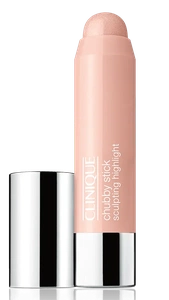
Clinique
Clinique Chubby Stick Sculpting Highlight
99/100
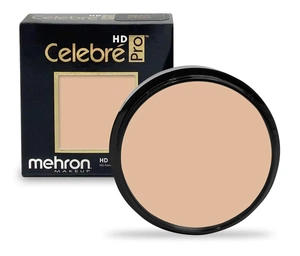
Mehron
Mehron Celebré Pro-hd Cream Foundation
99/100
Related ingredients
Ver también
Sources & references
Authoritative references used to score this ingredient.
Frequently asked questions
- ¿Es propylene glycol dicaprylate/dicaprate seguro durante el embarazo?
- No harmonised ECHA Annex VI reproductive classification located and no SCCS/CIR safety assessment identifying reproductive hazard. Some ECHA C&L notifications list reproductive hazard codes (H361) as company self-classifications, but these are not harmonised and do not override the absence of authoritative reproductive findings. As a topical, relatively large, lipophilic ester, systemic absorption is expected to be low but measurable (adult exposure = low). Sources: ECHA C&L (notifications), ECHA Annex VI (no harmonised classification), PubChem, CosIng.
- ¿Es propylene glycol dicaprylate/dicaprate seguro durante la lactancia?
- No data indicating reproductive or lactation-specific toxicity. Metabolic hydrolysis could theoretically yield propylene glycol and fatty acids, but no evidence for lactation transfer or mammary toxicity in available authoritative sources. Dermal systemic exposure from cosmetic use is expected to be low but measurable in adults.
- ¿Es propylene glycol dicaprylate/dicaprate seguro para la piel del bebé?
- No infant-specific reproductive or developmental hazard data found. Because infant skin (0–3 yr) has higher surface-area-to-weight and a less mature barrier, dermal absorption is likely higher than adults; therefore exposure score is increased by +1. No evidence suggests intrinsic developmental toxicity in infants from this ingredient.
- ¿Cómo puntúa VeriMom a propylene glycol dicaprylate/dicaprate?
- VeriMom puntúa propylene glycol dicaprylate/dicaprate en 100/100 (sin riesgos conocidos) según el estado EU CosIng, clasificaciones ECHA y estudios PubMed.
- ¿Cuáles son las alternativas seguras a propylene glycol dicaprylate/dicaprate en el embarazo?
- Consulta nuestra lista de alternativas seguras a propylene glycol dicaprylate/dicaprate según función similar y clasificación sin riesgos conocidos.
Revisa tus propios cosméticos
Pega la lista de ingredientes de cualquier producto en nuestro verificador gratuito y mira cada ingrediente evaluado con datos regulatorios de la UE e investigación revisada por pares.
Abrir el verificador de ingredientes seguros en el embarazoComprueba cualquier etiqueta en 2 segundos
Descarga VeriMom gratis — escanea cualquier producto y ve la puntuación de seguridad en el embarazo al instante.
Aviso Médico
Esta información es solo para fines educativos y no constituye asesoramiento médico. Las puntuaciones de seguridad se basan en datos disponibles públicamente y pueden no reflejar todos los riesgos. Siempre consulte a su profesional de salud antes de usar cualquier producto durante el embarazo o la lactancia.